Stick to the Facts
Add Nbsla.ca as a Preferred Source on Google to see more of our stories in your search results.

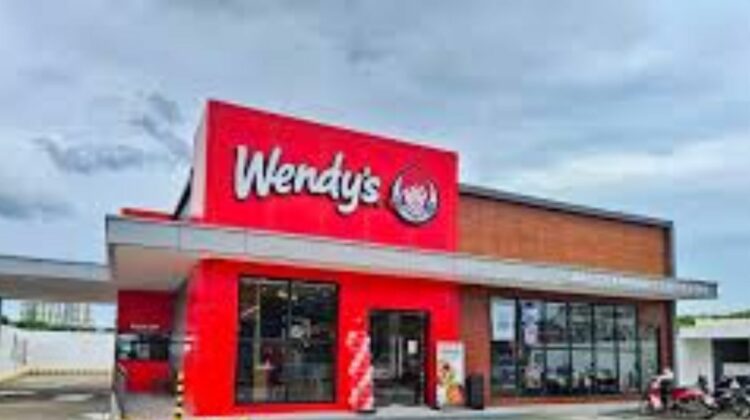
The fast-food industry is facing another major shake-up after Wendy’s confirmed plans to close hundreds of underperforming restaurants across the United States. The announcement has triggered widespread concern among employees, franchise operators, and loyal customers as the company moves forward with a large-scale restructuring effort.
According to statements made during a February 13 earnings call, Wendy’s interim CEO Ken Cook revealed that the company plans to shut down approximately 5% to 6% of its nearly 6,000 restaurant locations. Based on current estimates, that could mean around 300 Wendy’s stores closing during the first half of 2026.
The news has intensified discussions around the growing challenges facing the fast-food sector, including inflation, declining consumer spending, rising labor costs, and changing customer habits.
Wendy’s 300 Store Closures Signal Major Restaurant Industry Pressure
The planned Wendy’s 300 store closures reflect broader stress across the restaurant industry. Fast-food chains throughout the United States have been struggling to balance rising operational costs with slowing customer traffic.
Labor expenses, food prices, utilities, insurance costs, and rent have all increased significantly since the pandemic years. At the same time, consumers have become more cautious with discretionary spending due to inflation and economic uncertainty.
For many restaurant chains, especially those operating older or lower-performing locations, maintaining profitability has become increasingly difficult.
The decision by Wendy’s to close hundreds of stores is being viewed by analysts as part of a wider industry restructuring trend rather than an isolated event.
Wendy’s Store Closures Expected During First Half of 2026
During the earnings call, interim CEO Ken Cook informed investors that the company expects the closures to occur primarily during the first half of 2026.
The focus will reportedly be on underperforming restaurants that are failing to meet long-term financial expectations.
While Wendy’s has not yet publicly released a complete list of locations expected to close, the scale of the announcement has already generated concern in communities where restaurants may be at risk.
Because many Wendy’s restaurants operate through franchise agreements, some closures may affect independently owned operators as well as corporate-run stores.
The company currently operates close to 6,000 locations across the United States, making the planned Wendy’s 300 store closures one of the larger fast-food restructuring efforts in recent years.
Why Wendy’s Restaurants Are Closing
Several factors appear to be driving the planned Wendy’s restaurant closures.
Rising Labor Costs
Labor remains one of the largest expenses for restaurant operators. Wage increases across multiple states, combined with staffing shortages, have significantly increased payroll costs for fast-food chains.
Food Inflation
Beef, chicken, dairy products, cooking oil, and packaging materials have all experienced price increases over the past few years. These rising costs have squeezed restaurant profit margins.
Declining Consumer Spending
Customers are becoming more selective about dining out. Many households are cutting back on restaurant visits or looking for cheaper meal options due to inflation pressures.
Competition in Fast Food
The fast-food market has become extremely competitive, with chains fighting aggressively for value-focused customers through discounts and promotions.
Aging or Underperforming Locations
Some Wendy’s stores reportedly no longer fit the company’s long-term strategy due to poor sales performance, outdated buildings, or less favorable locations.
Together, these pressures created the conditions leading to the planned Wendy’s 300 store closures.
Wendy’s Strategy: Closing Stores While Focusing on Growth
Despite the negative headlines, Wendy’s is also continuing to focus on modernization and future expansion in stronger markets.
Restaurant chains often close weaker locations while investing more heavily in:
- Digital ordering systems
- Drive-thru improvements
- Delivery partnerships
- Modern restaurant redesigns
- High-performing urban and suburban markets
This means the Wendy’s store closures are not necessarily a sign the brand itself is collapsing. Instead, the company appears to be restructuring operations to improve efficiency and profitability.
Still, for employees and communities affected by closures, the impact could be significant.
Employees and Franchisees Face Uncertainty
One of the biggest concerns surrounding the Wendy’s 300 store closures is the potential effect on workers.
Restaurant closures can lead to:
- Job losses
- Reduced hours
- Franchise financial stress
- Local economic impact
Some employees may be transferred to nearby locations, but others could face layoffs depending on regional conditions.
Franchise owners may also experience financial strain if stores selected for closure still carry lease obligations or operational debt.
Fast Food Industry Faces a New Reality
The announcement from Wendy’s highlights how dramatically the restaurant industry has changed in recent years.
Fast-food companies are increasingly forced to operate in an environment where:
- Costs rise faster than menu prices
- Customers demand value deals
- Delivery services reduce margins
- Labor remains difficult to manage
- Competition continues intensifying
As a result, chains are becoming more aggressive about eliminating weaker locations and focusing only on restaurants capable of sustaining long-term profitability.
The planned Wendy’s restaurant closures fit directly into this broader national trend.
Wendy’s Brand Still Remains a Major Fast Food Player
Even with the planned closures, Wendy’s remains one of the largest fast-food brands in the United States.
Known for its square burgers, Frosty desserts, and strong drive-thru business, Wendy’s continues competing with major chains including:
- McDonald’s
- Burger King
- Chick-fil-A
- Taco Bell
The company is expected to continue investing in technology, delivery, and modernized restaurant concepts even as weaker stores are phased out.
The decision by Wendy’s to close approximately 300 restaurants marks a major moment for the fast-food industry in 2026.
The planned Wendy’s store closures underscore the growing pressure facing restaurant operators as inflation, labor costs, and cautious consumer spending continue reshaping the market.
While the company hopes restructuring will strengthen long-term profitability, the closures also reveal how difficult the environment has become even for some of America’s biggest restaurant brands.
As the first half of 2026 progresses, attention will remain focused on which locations are affected and how the broader fast-food industry responds to these ongoing economic challenges.