Stick to the Facts
Add Nbsla.ca as a Preferred Source on Google to see more of our stories in your search results.

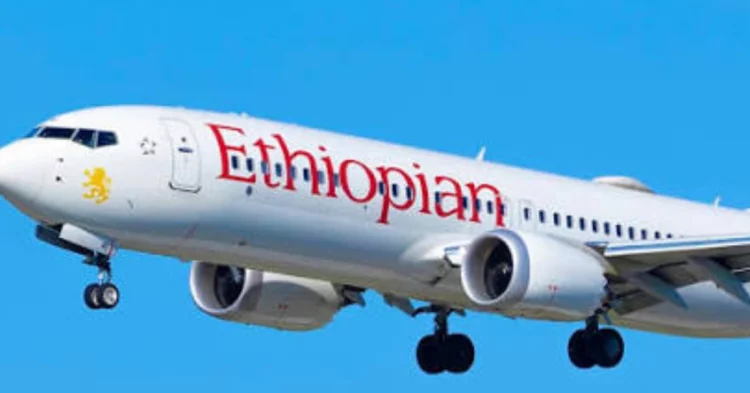
Ethiopian Airlines has taken another significant step in its global expansion strategy by introducing a new direct route connecting Addis Ababa, Ethiopia, with Lyon, France. The new service represents far more than an additional destination on the airline’s growing route map. It reflects a carefully planned strategy to strengthen connections between Africa and Europe while expanding access to one of France’s most dynamic economic regions.
As Africa’s largest airline continues to broaden its international network, the launch of flights to Lyon demonstrates its commitment to serving important regional markets rather than focusing solely on major capital cities. The move provides travelers with greater flexibility, improves access to global destinations, and reinforces Addis Ababa’s role as one of the world’s fastest-growing aviation hubs.
The new route is expected to benefit business travelers, tourists, students, exporters, and members of the African diaspora by offering more direct and convenient travel options between France and Africa.
Why Lyon Became Ethiopian Airlines’ Next Strategic Destination
Lyon Is More Than France’s Third-Largest City
Choosing Lyon as the airline’s newest French destination is a strategic decision driven by strong economic and travel demand. Lyon has long been recognized as one of France’s leading commercial, industrial, and educational centers, making it an attractive market for international airlines seeking sustainable passenger growth.
Unlike destinations that rely primarily on tourism, Lyon generates consistent year-round demand from multiple sectors, including finance, biotechnology, engineering, pharmaceuticals, manufacturing, and higher education. This balanced mix creates stable passenger traffic throughout the year.
The city’s international business connections and growing global profile also make it an ideal gateway for travelers heading to Africa for corporate meetings, investment opportunities, conferences, and commercial partnerships.
Expanding Beyond Paris Creates New Opportunities
For many years, Paris served as the primary French gateway for flights between Europe and Africa. While the French capital continues to handle enormous passenger volumes, relying exclusively on one city limits network flexibility.
By expanding into Lyon, Ethiopian Airlines diversifies its French operations and reaches travelers who previously had to connect through Paris or other European airports. The new service significantly reduces travel time for passengers living in central and eastern France while improving convenience for international visitors.
This expansion reflects a broader aviation trend where airlines increasingly serve major regional cities to capture growing passenger demand outside national capitals.
Ethiopian Airlines Now Connects Three Major French Cities
With Lyon joining the network, Ethiopian Airlines now operates services to three important French destinations.
Paris Remains the Primary International Gateway
Paris continues to serve as the airline’s largest French destination, handling significant volumes of international business travelers, tourists, government officials, and connecting passengers.
As one of Europe’s busiest aviation markets, Paris remains essential for long-haul operations and intercontinental connectivity.
Marseille Supports Southern France
The airline’s service to Marseille provides important access to southern France and the Mediterranean region.
Marseille serves leisure travelers, business passengers, and cargo operations while connecting southern France more efficiently with destinations across Africa.
Lyon Completes a Balanced National Network
The addition of Lyon creates a more geographically balanced network across France.
Rather than concentrating flights in a single region, Ethiopian Airlines now serves northern, southern, and central France, allowing passengers to access international flights from locations closer to home.
This strategy improves convenience while helping distribute passenger traffic more efficiently across multiple airports.
Addis Ababa Continues to Emerge as One of the World’s Leading Aviation Hubs
Bole International Airport Powers Ethiopian Airlines’ Growth
At the center of Ethiopian Airlines’ expansion is Addis Ababa Bole International Airport, which has rapidly evolved into one of Africa’s most important aviation hubs.
Over the past decade, the airport has experienced substantial infrastructure improvements, expanded passenger facilities, and increased international connectivity.
Its strategic geographic location allows travelers to move efficiently between Africa, Europe, Asia, and the Middle East with relatively short connecting times.
A Modern Hub-and-Spoke Network
Ethiopian Airlines has built an extensive hub-and-spoke network centered on Addis Ababa.
Passengers arriving from France can quickly transfer to destinations across East Africa, Southern Africa, West Africa, Central Africa, the Middle East, India, Southeast Asia, and several Asian markets.
This integrated network simplifies international travel by reducing the need for multiple layovers at European airports.
Instead of connecting through several different airlines, passengers can complete much of their journey using Ethiopian Airlines’ growing international network.
Better Connectivity Between Europe and Africa
Simplified Travel for Business Passengers
Business travelers often prioritize shorter travel times, reliable connections, and fewer airport transfers.
The Addis Ababa-Lyon route directly addresses these needs by creating a faster connection between France’s industrial heartland and Africa’s rapidly expanding economies.
Companies operating across manufacturing, engineering, mining, pharmaceuticals, telecommunications, agriculture, and financial services stand to benefit from improved accessibility.
The route supports stronger commercial relationships while encouraging greater investment between African and European markets.
Easier Journeys for Tourists
Tourism is another major beneficiary of the new service.
French travelers gain easier access to Ethiopia’s historic attractions before continuing to safari destinations, beaches, and cultural sites across Africa.
Likewise, African travelers now enjoy more convenient access to Lyon and the surrounding Auvergne-Rhône-Alpes region, known for its historic architecture, culinary traditions, museums, vineyards, and Alpine scenery.
The improved connectivity encourages two-way tourism growth while supporting hotels, restaurants, transportation providers, and local attractions.
Students and Diaspora Communities Also Benefit
International education continues to drive passenger demand between Africa and Europe.
Lyon is home to several respected universities and research institutions that attract students from across Africa.
The new direct route simplifies travel for students beginning or continuing their studies while allowing easier visits home during holidays.
The service also supports African diaspora communities living throughout France by providing more convenient travel options to visit family members across the continent.
These passenger segments generate stable year-round demand that complements seasonal tourism traffic.
Cargo Operations Receive a Major Boost
Passenger flights also play an essential role in international cargo transportation.
The new Lyon route expands air freight capacity between France and Africa, allowing businesses to move high-value and time-sensitive goods more efficiently.
Industries such as pharmaceuticals, medical equipment, electronics, automotive components, precision manufacturing, agricultural exports, and perishables depend on fast and reliable logistics.
Improved cargo connectivity helps reduce shipping times while strengthening commercial supply chains between European and African markets.
As trade volumes continue to increase, efficient air cargo services become increasingly important for businesses operating across multiple continents.
Ethiopian Airlines Continues Its Global Expansion Strategy
Investing in Long-Term Network Growth
The Lyon route is one element of Ethiopian Airlines’ broader international growth strategy.
The airline continues to expand across Europe, Asia, the Middle East, and Africa while increasing flight frequencies on established routes and opening new destinations with strong long-term potential.
Rather than concentrating exclusively on the world’s largest airports, Ethiopian Airlines is increasingly targeting fast-growing regional markets that offer untapped opportunities.
This diversified approach reduces operational risk while expanding customer choice.
Responding to Changing Passenger Demand
Modern travelers increasingly seek direct flights, shorter journey times, and more flexible travel options.
Regional airports are experiencing stronger international demand as passengers look to avoid unnecessary domestic connections and congested hub airports.
By adding Lyon, Ethiopian Airlines aligns its network with these changing passenger preferences while strengthening its competitive position in Europe.
The Africa-Europe Aviation Corridor Is Rapidly Changing
Airlines Are Expanding Beyond Traditional Hubs
The launch of the Addis Ababa-Lyon service reflects wider structural changes occurring across global aviation.
For decades, international travel between Africa and Europe relied heavily on a small number of major hub airports.
Today, airlines are increasingly connecting secondary cities directly with international destinations, reducing dependence on traditional gateway airports.
This trend creates greater flexibility, improves passenger convenience, and distributes traffic more evenly across airport networks.
Stronger Regional Connectivity Benefits Everyone
Direct access to regional cities generates economic benefits that extend beyond aviation.
Improved connectivity encourages tourism spending, attracts foreign investment, supports international conferences, strengthens university partnerships, and creates employment opportunities.
Regional airports also benefit from increased passenger volumes, cargo activity, and infrastructure development.
As global aviation evolves, diversified route networks are becoming an essential part of long-term airline strategy.
Strengthening Economic Partnerships Between France and Africa
The new Addis Ababa-Lyon connection arrives at a time when economic cooperation between African nations and European countries continues to expand.
French companies are increasing investments across multiple African industries, including renewable energy, healthcare, infrastructure, technology, manufacturing, agriculture, and financial services.
At the same time, African businesses are strengthening their presence within European markets through trade, innovation, and international partnerships.
Reliable air connectivity plays a critical role in supporting these relationships by enabling faster travel for executives, investors, government officials, entrepreneurs, and technical specialists.
The Lyon service strengthens these economic links while encouraging greater commercial collaboration between both regions.
Passenger Experience Improves with Greater Travel Flexibility
One of the biggest advantages of Ethiopian Airlines’ expanding network is improved passenger choice.
Travelers can now select departure points based on convenience rather than traveling long distances within France before beginning an international journey.
The expanded French network also creates additional scheduling flexibility, allowing passengers to choose flights that better fit business commitments, vacation plans, or family travel.
For connecting passengers, Addis Ababa offers access to one of Africa’s most extensive international route networks, making onward travel smoother and more efficient.
Ethiopian Airlines Reinforces Its Position as Africa’s Leading Global Carrier
The launch of the Addis Ababa-Lyon route demonstrates Ethiopian Airlines’ continued commitment to expanding international connectivity while supporting economic development across Africa and Europe.
By serving Paris, Marseille, and now Lyon, the airline has established a stronger and more balanced presence within France, giving travelers additional options and improving access to destinations throughout Africa.
At the same time, Addis Ababa continues to strengthen its reputation as a major global aviation hub capable of linking continents through efficient connections and an expanding international network.
As demand for international travel continues to grow, strategic route additions such as Lyon position Ethiopian Airlines to play an even larger role in shaping the future of Africa-Europe aviation.
Conclusion
The introduction of Ethiopian Airlines‘ direct Addis Ababa-Lyon service represents a major milestone in the airline’s long-term international growth strategy. More than simply adding another destination, the route strengthens connectivity between Africa and France while supporting business travel, tourism, education, trade, and cargo operations.
With France now served through Paris, Marseille, and Lyon, Ethiopian Airlines has built a diversified network capable of reaching a wider range of travelers across the country. At the same time, Addis Ababa continues to grow as one of the world’s most important transit hubs, providing seamless connections to destinations throughout Africa, Asia, and the Middle East.