Stick to the Facts
Add Nbsla.ca as a Preferred Source on Google to see more of our stories in your search results.

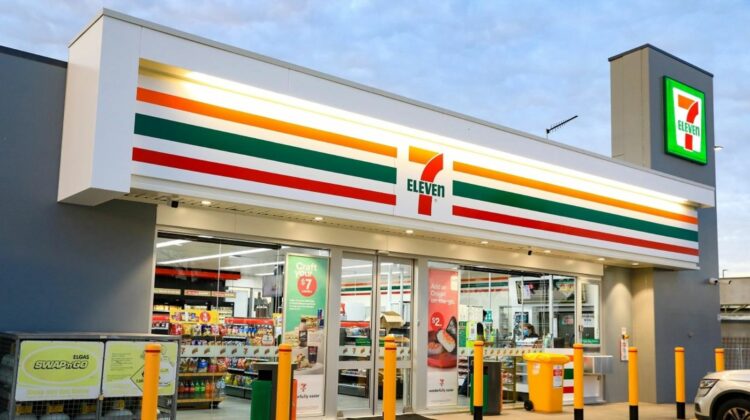
The massive wave of 7-Eleven store closures is sending shockwaves through the retail and convenience store industry after parent company Seven & i Holdings confirmed plans to shut down 645 locations across North America during its 2026 fiscal year.
The announcement has intensified concerns about the future of traditional convenience stores as consumer habits shift, operating costs rise, and retailers race to reinvent their business models. At the same time, the company also revealed plans to open more than 200 new locations, signaling that the strategy is not simply about shrinking, but transforming the future of the 7-Eleven business model.
The latest restructuring highlights how even one of the world’s most recognizable convenience chains is being forced to adapt to changing market realities.
7-Eleven Store Closures Confirmed Across North America
According to an earnings document released by Seven & i Holdings in April, the company plans to close 645 stores during fiscal year 2026, which runs through February 2027.
The company operated approximately 12,712 stores across North America as of fiscal year 2025, meaning the planned closures represent a significant restructuring effort within the 7-Eleven store network.
The announcement was first widely highlighted by retail industry coverage tracking the growing transformation inside the convenience store sector.
While the company confirmed the closures, it did not provide a detailed breakdown of which regions or cities will be most affected.
7-Eleven Transitioning Toward Food-Focused Stores
One major reason behind the 7-Eleven store closures is the company’s ongoing shift toward newer, more food-focused retail concepts.
The convenience store industry has changed dramatically in recent years. Traditional fuel-and-snack business models are facing pressure from:
- Rising labor costs
- Inflation on food and supplies
- Increased competition
- Changing consumer expectations
- Growth in delivery and digital ordering
To adapt, many convenience chains are attempting to evolve into quick-service food destinations rather than simple fuel stops.
The company indicated that some locations included in the closure figure are not disappearing entirely but are instead being converted into wholesale fuel stores. However, the exact number of converted stores was not disclosed.
This restructuring shows that 7-Eleven North America operations are shifting toward a different long-term strategy focused on profitability and modernization.
Why 7-Eleven Store Closures Matter to the Retail Industry
The scale of the planned 7-Eleven store closures is important because the chain remains one of the largest convenience retailers in the world.
For decades, 7-Eleven built its business around accessible neighborhood locations, fuel partnerships, and fast convenience shopping.
Now, the industry is changing rapidly.
Consumers increasingly expect:
- Fresh prepared food
- Digital ordering options
- Mobile rewards programs
- Cleaner and upgraded locations
- Faster checkout experiences
Older stores that cannot efficiently support these newer expectations may struggle financially, especially in highly competitive regions.
The planned closures suggest the company is prioritizing investment into stronger-performing locations rather than continuing to operate lower-profit stores.
7-Eleven Expanding Even While Closing Stores
Despite the headlines around the closures, the company also announced plans to open 205 new stores during the same fiscal period.
This means the strategy is not a complete retreat from expansion. Instead, the company appears to be reshaping its footprint by:
- Eliminating underperforming stores
- Investing in modernized formats
- Expanding food-focused locations
- Increasing operational efficiency
This dual approach reflects a broader retail trend where companies close older locations while opening redesigned stores better suited for current consumer demand.
The future of the 7-Eleven store strategy may therefore involve fewer traditional convenience stores and more upgraded multi-purpose retail locations.
Rising Costs Continue to Pressure Convenience Store Chains
The 7-Eleven store closures also reflect wider economic pressure across the retail and restaurant sectors.
Businesses throughout North America are facing:
- Higher wages
- Increased rent costs
- Utility inflation
- Food supply price increases
- Higher transportation expenses
For convenience stores operating on tight margins, even modest cost increases can heavily impact profitability.
At the same time, consumers are becoming more selective with spending, especially on impulse purchases that historically drove convenience store traffic.
This economic environment has forced major chains like 7-Eleven to reevaluate store performance more aggressively.
Fuel Store Conversions Add Another Layer to 7-Eleven Restructuring
An important detail in the company’s announcement is that some of the closures involve conversions into wholesale fuel operations.
This suggests the company is separating fuel-focused business operations from full retail convenience models in certain markets.
Wholesale fuel operations typically involve:
- Lower staffing requirements
- Reduced operational complexity
- Lower inventory costs
- More stable margins tied to fuel distribution
This could help explain why some traditional 7-Eleven stores are no longer considered financially efficient under the current economic landscape.
What the 7-Eleven Store Closures Mean for Employees and Customers
The closures could impact thousands of workers and communities depending on the final list of affected locations.
Potential consequences include:
- Job losses or transfers
- Reduced convenience access in some neighborhoods
- Store format changes
- Consolidation into larger locations
However, some customers may eventually see upgraded stores and expanded food options at surviving locations as the company continues modernization efforts.
The company has not yet released detailed public information regarding specific store shutdown timelines.
Retail Industry Transformation Continues Beyond 7-Eleven
The 7-Eleven store closures are part of a larger retail transformation happening across North America.
Many retailers are:
- Closing smaller legacy stores
- Investing in digital infrastructure
- Focusing on food and prepared meals
- Streamlining operations
- Prioritizing profitable urban markets
Convenience stores are increasingly competing not only with gas stations but also:
- Fast-food chains
- Grocery delivery services
- Dollar stores
- Mobile ordering apps
- Online retail platforms
This intense competition is accelerating structural changes throughout the industry.
The decision by Seven & i Holdings to close 645 locations marks one of the most significant restructuring moves in recent convenience retail history.
While the headlines focus on the 7-Eleven store closures, the broader story is about transformation. The company is attempting to reshape its North American operations around modern consumer habits, food-focused retail, and long-term efficiency.
Whether the strategy succeeds will depend on how effectively 7-Eleven balances cost pressures, customer expectations, and competition in a rapidly changing retail landscape.