Stick to the Facts
Add Nbsla.ca as a Preferred Source on Google to see more of our stories in your search results.

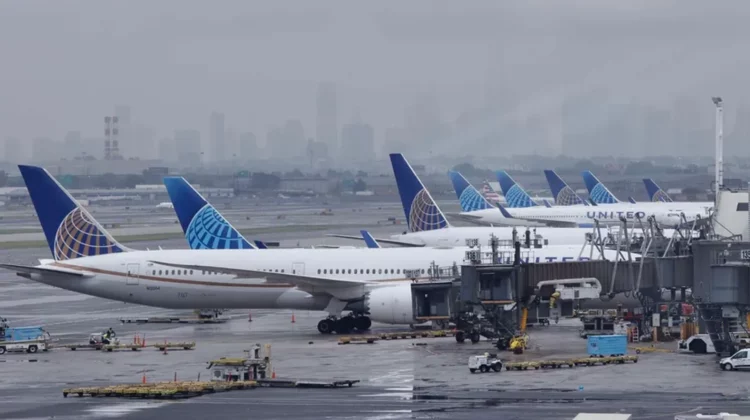
Air travel across the United States is facing one of its most disruptive operational days in recent weeks, with nearly 1,950 flight cancellations and more than 2,500 delays reported nationwide. The disruptions have spread across major aviation hubs, including Atlanta, Houston, Austin, Los Angeles, San Francisco, and several other high-traffic airports.
Multiple airlines, including Delta Air Lines, United Airlines, Southwest Airlines, American Airlines, JetBlue, Spirit Airlines, Frontier Airlines, and regional carrier SkyWest, are experiencing operational setbacks that are affecting both domestic and connecting international passengers.
The scale of disruption has created a domino effect across the national airspace system, leading to missed connections, grounded aircraft, and long wait times at airports.
Major Airports Affected by the Disruptions
Atlanta Hartsfield-Jackson International Airport
Atlanta remains one of the hardest-hit airports due to its role as a primary hub for Delta Air Lines. Hundreds of flights have been delayed or canceled, with ripple effects spreading across domestic and international routes.
Passengers at Atlanta are facing:
- Long rebooking lines at customer service counters
- Extended gate delays due to aircraft rotation issues
- Missed connections for both domestic and international travel
Operational congestion at Atlanta has also affected inbound flights from smaller regional airports, worsening nationwide delays.
Houston George Bush Intercontinental Airport and Hobby Airport
Houston’s dual-airport system has experienced significant disruption, particularly impacting United Airlines operations at George Bush Intercontinental Airport.
Key issues include:
- Ground delays caused by aircraft positioning constraints
- Crew scheduling disruptions leading to last-minute cancellations
- Increased congestion in boarding areas
Southwest Airlines operations at Hobby Airport have also faced delays, particularly affecting short-haul domestic routes.
Los Angeles International Airport (LAX)
Los Angeles International Airport is experiencing widespread delays affecting both domestic and transpacific routes. Airlines including American Airlines, Delta Air Lines, and United Airlines are all reporting scheduling issues.
Passengers at LAX are encountering:
- Delayed departures on transcontinental flights
- Gate changes due to aircraft rotation adjustments
- Longer-than-normal security and boarding times due to congestion
The ripple effect is particularly strong on west coast-to-midwest routes.
San Francisco International Airport (SFO)
San Francisco International Airport is seeing major delays affecting United Airlines and other carriers. International connections to Asia and Europe are especially impacted.
Issues reported include:
- Delays in long-haul international departures
- Aircraft arrival bottlenecks causing gate shortages
- Crew rest limitations affecting flight scheduling
Many passengers connecting through SFO are experiencing extended layovers or missed onward flights.
Austin-Bergstrom International Airport
Austin is experiencing a surge in disruptions despite being a smaller hub compared to Atlanta or Houston. Rapid growth in passenger demand combined with operational constraints is contributing to delays.
Common issues:
- Limited gate availability during peak hours
- Regional carrier delays affecting national connections
- Weather-sensitive scheduling adjustments impacting departures
Southwest Airlines and Delta are among the most affected carriers in this region.
Airlines Most Affected by Today’s Disruptions
Delta Air Lines
Delta Air Lines is experiencing widespread cancellations and delays, particularly through its major hubs in Atlanta, Detroit, and Minneapolis.
Operational challenges include:
- Aircraft rotation delays affecting connecting flights
- Crew scheduling disruptions
- Knock-on effects from earlier morning delays
Passengers traveling on Delta are seeing extended rebooking times and reduced availability on same-day alternate flights.
United Airlines
United Airlines operations are significantly impacted at hubs including Houston, Newark, and San Francisco.
Key issues:
- Long-haul international delay cascades
- Regional feeder flight disruptions
- Gate congestion and aircraft repositioning delays
United passengers connecting through international hubs are experiencing the most severe delays.
Southwest Airlines
Southwest Airlines, known for its high-frequency domestic network, is facing extensive scheduling challenges.
Challenges include:
- Crew scheduling limitations due to previous delays
- Rapid turnaround constraints at busy airports
- Knock-on cancellations across short-haul routes
Southwest’s point-to-point model makes it particularly sensitive to cascading disruptions.
American Airlines
American Airlines is seeing disruptions primarily at major hubs such as Dallas-Fort Worth, Miami, and Los Angeles.
Impact areas:
- Delayed departures on domestic trunk routes
- Aircraft availability issues during peak travel windows
- Increased standby passenger load due to cancellations
JetBlue, Spirit Airlines, and Frontier Airlines
Low-cost carriers are also heavily affected, with operational strain visible across multiple airports.
JetBlue is dealing with:
- Delays on East Coast routes
- Limited aircraft availability for repositioning
Spirit Airlines and Frontier Airlines are experiencing:
- High cancellation ratios on budget routes
- Crew scheduling disruptions affecting overnight flights
- Increased passenger backlog due to fewer backup aircraft
SkyWest and Regional Carriers
SkyWest, operating regional flights for major airlines, is also contributing to the broader disruption network.
Issues include:
- Weather-sensitive regional operations
- Tight aircraft turnaround schedules
- Dependency on major airline hubs for connectivity
Root Causes Behind the Massive Flight Disruptions
Air Traffic Congestion and Flow Control Measures
One of the leading contributors to today’s disruptions is heavy air traffic volume combined with air traffic control flow restrictions. When congestion builds in key airspace corridors, aircraft must be spaced further apart, leading to delays that cascade across the system.
Crew Scheduling and Operational Constraints
Airline crew availability plays a significant role in cancellations. When flights are delayed, crew duty time limits are exceeded, requiring replacement crews or leading to full cancellations.
This is particularly disruptive for:
- Long-haul international flights
- Late-night and early-morning departures
Aircraft Positioning and Rotation Issues
Modern airline networks rely on tightly scheduled aircraft rotations. Even a small delay in one city can affect multiple subsequent flights across the country.
This “domino effect” is one of the most critical factors behind today’s widespread disruptions.
Weather and Localized Operational Interruptions
While not uniform across all affected airports, localized weather conditions in certain regions contribute to delays. Thunderstorms, wind shifts, or visibility issues can slow down arrivals and departures, compounding national congestion.
Passenger Experience Across U.S. Airports Today
Long Wait Times and Rebooking Challenges
Passengers across major airports are reporting:
- Extended lines at airline service counters
- Limited availability of alternate flights
- Delayed baggage handling due to aircraft repositioning issues
Missed Connections and Travel Disruptions
One of the most significant impacts is missed connecting flights, especially at major hubs like Atlanta, Dallas-Fort Worth, and Chicago O’Hare. Travelers are being forced to rebook entire itineraries in many cases.
Airport Congestion and Limited Seating Availability
Terminal congestion is becoming a major issue as delayed passengers accumulate. Seating areas, lounges, and boarding gates are reaching capacity during peak delay periods.
Broader Impact on National and International Travel
Domino Effect Across the U.S. Air Network
Because major hubs connect thousands of daily flights, disruptions in one location quickly spread across the entire system. A delayed aircraft in Los Angeles may affect flights later in New York, Miami, or Chicago.
International Flight Disruptions
Long-haul international flights are particularly sensitive to delays due to strict departure windows and coordinated arrival slots at foreign airports. Airlines are working to minimize missed international connections, but delays are unavoidable in many cases.
Airline Recovery Efforts and Operational Adjustments
Rebooking Strategies and Flight Rescheduling
Airlines are actively:
- Rebooking passengers on alternate flights
- Adjusting aircraft rotations
- Deploying standby crews where available
However, limited fleet availability means recovery will take time.
Increasing Aircraft Utilization and Schedule Adjustments
Carriers are attempting to maximize aircraft usage by reducing turnaround times and prioritizing high-demand routes. This helps restore partial capacity but does not immediately resolve backlog issues.
Passenger Support Measures
Airlines are offering:
- Waived change fees in many cases
- Travel vouchers for affected passengers
- Hotel accommodations for overnight delays in select situations
Outlook for the Next 24 to 48 Hours
Gradual Stabilization Expected but Not Immediate
While airlines and airports are working to restore normal operations, experts expect continued delays over the next 24 to 48 hours due to backlog effects.
Continued Ripple Effects Across Major Hubs
Even if conditions improve, residual delays will continue to affect aircraft positioning, crew availability, and gate scheduling across the national network.
Conclusion
Today’s widespread U.S. flight disruptions highlight how interconnected and fragile modern air travel operations can be. With nearly 2,000 cancellations and over 2,500 delays, the impact spans coast to coast, affecting millions of travelers and major airlines alike.
From Atlanta and Houston to Los Angeles and San Francisco, the ripple effects are being felt across both domestic and international networks. While recovery efforts are underway, passengers should prepare for continued delays and schedule adjustments in the short term as airlines work to stabilize operations.