Stick to the Facts
Add Nbsla.ca as a Preferred Source on Google to see more of our stories in your search results.

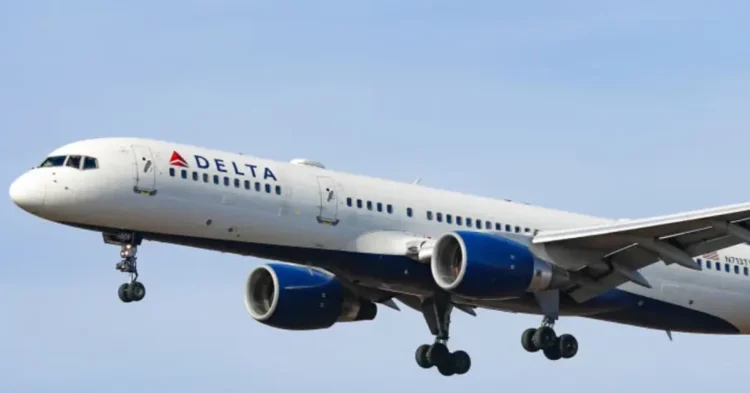
Passengers aboard Delta Air Lines flight DL2948 experienced an unexpected disruption when the aircraft returned to Hartsfield-Jackson Atlanta International Airport shortly after takeoff instead of continuing its scheduled journey to Green Bay, Wisconsin. The flight, operated by an Airbus A320, departed Atlanta as planned before crews made the decision to turn back and land safely at its origin airport.
While flight diversions and returns can often create concern among travelers, aviation professionals emphasize that such decisions are frequently precautionary and represent the industry’s commitment to maintaining the highest possible safety standards. In this case, the aircraft landed safely, and there were no reports of injuries or immediate danger to passengers or crew.
The incident has generated significant interest among aviation observers and travelers seeking to understand why an aircraft would return shortly after departure and what factors influence such operational decisions. Although the precise reason for the return has not yet been publicly disclosed, the event offers valuable insight into how modern commercial aviation prioritizes safety above all other considerations.
What Happened to Delta Air Lines Flight DL2948?
Flight DL2948 was scheduled to operate between Atlanta, Georgia, and Green Bay, Wisconsin. After departing Hartsfield-Jackson Atlanta International Airport, the Airbus A320 did not continue toward its destination as planned. Instead, flight tracking data indicated that the aircraft reversed course and returned to Atlanta.
The return was conducted in a controlled and orderly manner, with the flight crew coordinating closely with air traffic controllers and airline operations personnel. Upon arrival back in Atlanta, the aircraft was positioned for further inspection while airline teams assessed the situation and determined the next course of action.
For passengers, the return resulted in delays and changes to travel plans. However, such inconveniences are often considered necessary trade-offs when airlines identify conditions that warrant additional inspection or evaluation before continuing a flight.
Importantly, there has been no official confirmation that the aircraft faced a serious emergency. Aviation experts note that many returns occur due to cautionary measures rather than critical failures.
Why Did Delta Flight DL2948 Return to Atlanta?
No Official Cause Has Been Released
As of now, Delta Air Lines and relevant aviation authorities have not publicly identified the exact reason behind the return of flight DL2948. Without official confirmation, any attempt to assign a specific technical issue or operational fault would be speculative.
Airlines typically conduct thorough inspections and investigations before releasing details regarding unusual flight events. This process helps ensure accuracy and prevents the spread of misinformation.
Possible Reasons for a Precautionary Return
Although the exact cause remains unknown, aviation professionals point out that aircraft may return to their departure airport for a variety of routine safety-related reasons.
These can include:
Cockpit warning messages indicating a system requires inspection.
Sensor irregularities that may not affect flight safety but warrant evaluation.
Mechanical indications requiring maintenance review.
Cabin-related concerns involving passenger comfort or onboard equipment.
Communication system issues.
Navigation equipment alerts.
Operational assessments made by the flight crew.
Weather-related considerations.
In many cases, these issues do not represent emergencies. Instead, they reflect the airline’s commitment to addressing potential concerns before they develop into larger problems.
The Importance of Early Decision-Making
One reason airlines often choose to return shortly after departure is that the aircraft remains relatively close to its origin airport. Returning early can provide immediate access to maintenance facilities, replacement aircraft, spare parts, and specialized technical personnel.
For a major airline hub such as Atlanta, these resources are readily available. As a result, returning can be the safest and most efficient option when additional evaluation becomes necessary.
Understanding How Modern Aircraft Monitor Safety
Continuous System Monitoring
Modern commercial aircraft such as the Airbus A320 are equipped with sophisticated monitoring systems that constantly evaluate aircraft performance.
Throughout every flight, thousands of sensors track:
Engine performance.
Hydraulic systems.
Electrical systems.
Flight controls.
Cabin pressurization.
Navigation equipment.
Environmental systems.
Fuel systems.
These technologies provide pilots with real-time information about the condition of the aircraft.
How Warning Systems Work
Aircraft warning systems are intentionally designed to alert crews even when potential issues are minor. This proactive approach helps prevent situations from escalating.
When an abnormal indication appears, pilots follow detailed procedures outlined in operational manuals and aircraft checklists. Depending on the nature of the indication, crews may continue the flight, divert to another airport, or return to their departure location.
The goal is not simply to respond to emergencies but to prevent them from occurring in the first place.
How Pilots Decide Whether to Continue or Return
Safety Is Always the Primary Factor
Contrary to popular assumptions, returning to an airport does not automatically mean a flight is facing a severe emergency. Many returns are precautionary and are made out of an abundance of caution.
Pilots are trained to evaluate multiple factors simultaneously, including:
Aircraft condition.
Weather conditions.
Distance to destination.
Availability of maintenance support.
Fuel status.
Passenger considerations.
Airport capabilities.
Potential operational risks.
The decision-making process is methodical and guided by strict regulatory standards.
Collaboration Behind the Scenes
Flight crews do not make these decisions in isolation. They communicate continuously with airline dispatchers, maintenance experts, and air traffic controllers.
This collaborative process allows airlines to gather information from multiple sources before determining the safest course of action.
When crews decide to return, it is typically because the available information indicates that doing so provides the greatest safety margin.
Why Atlanta Is an Ideal Airport for Aircraft Returns
One of the World’s Largest Airline Hubs
Hartsfield-Jackson Atlanta International Airport serves as Delta Air Lines’ primary hub and is among the busiest airports in the world.
Because of its extensive infrastructure, Atlanta offers significant advantages when aircraft require inspection or maintenance.
Access to Specialized Resources
Returning to Atlanta provides immediate access to:
Certified maintenance technicians.
Aircraft engineers.
Replacement equipment.
Operational support teams.
Alternative aircraft.
Passenger assistance personnel.
These resources allow airlines to address potential issues quickly and efficiently.
In many cases, resolving a concern at a major hub can reduce overall disruption compared to continuing to a destination with more limited maintenance capabilities.
What This Incident Reveals About Aviation Safety Standards
Safety Takes Priority Over Schedule Commitments
The return of flight DL2948 reinforces one of the most important principles in commercial aviation: safety always comes before punctuality.
Although delays can frustrate passengers, airlines consistently prioritize operational safety over maintaining schedules.
This philosophy is deeply embedded within airline operations and regulatory frameworks worldwide.
Multiple Layers of Protection
Commercial aviation relies on numerous overlapping safety systems designed to identify and address risks before they become serious.
These layers include:
Aircraft design safeguards.
Pilot training programs.
Maintenance procedures.
Regulatory oversight.
Operational monitoring systems.
Air traffic control coordination.
Safety management programs.
The successful return of DL2948 demonstrates how these systems work together to protect passengers and crew.
The Airbus A320’s Strong Safety Record
One of the World’s Most Trusted Aircraft
The Airbus A320 family is among the most widely used commercial aircraft series globally. Airlines around the world rely on the aircraft for short- and medium-haul operations due to its efficiency, reliability, and advanced technology.
Millions of passengers travel aboard A320 aircraft every year.
Advanced Safety Features
The aircraft incorporates numerous safety technologies, including:
Fly-by-wire flight controls.
Automated flight protection systems.
Advanced cockpit displays.
Comprehensive monitoring systems.
Redundant critical systems.
These features help pilots identify and manage irregular situations effectively.
The safe return of DL2948 illustrates how modern aircraft are designed to support informed decision-making during unusual operational circumstances.
What Passengers Should Know About Flight Returns
Returns Are More Common Than Many Travelers Realize
While flight returns often attract attention, they occur more frequently than most passengers realize.
Commercial airlines operate tens of thousands of flights every day. Within such a large operational environment, precautionary returns represent a small percentage of overall flights.
Most are completed safely and without significant incident.
A Return Does Not Necessarily Mean Danger
Many travelers assume that an aircraft returning to its departure airport indicates a major emergency. In reality, precautionary returns often occur because airlines choose to investigate relatively minor concerns before continuing a journey.
From a safety perspective, this proactive approach is generally viewed positively by aviation experts.
It demonstrates that pilots and airlines are taking potential issues seriously rather than ignoring warning signs.
Awaiting Official Information
At present, the exact reason behind the return of Delta Air Lines flight DL2948 remains undisclosed. Until Delta Air Lines, maintenance personnel, or aviation authorities provide additional information, any explanation regarding the specific cause remains speculative.
What is known is that the aircraft returned safely to Atlanta, passengers were protected throughout the event, and airline teams followed established procedures designed to maintain the highest levels of operational safety.
Conclusion
The return of Delta Air Lines flight DL2948 shortly after departure from Atlanta serves as another example of how modern aviation systems are designed to prioritize safety above all else. Although the unexpected diversion disrupted passenger travel plans, the decision to return demonstrates the effectiveness of the industry’s precautionary approach to risk management.
Without an official statement identifying the precise cause, it is important to avoid speculation. However, aviation experts agree that aircraft routinely return to their departure airports when pilots receive alerts, observe unusual indications, or determine that additional inspections are necessary.