A New Chapter in Canada–U.S. Energy Ties
Stick to the Facts
Add Nbsla.ca as a Preferred Source on Google to see more of our stories in your search results.

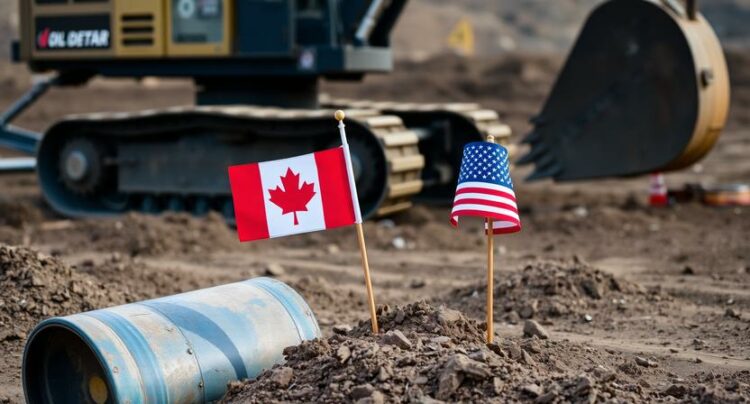
The authorization of a major cross-border oil pipeline by Donald Trump marks a significant shift in North American energy policy. The proposed Bridger Pipeline project, backed by U.S.-based Bridger Pipeline and Canadian firm South Bow, is designed to transport crude oil from the Canada–U.S. border deep into Wyoming.
If completed, the pipeline could carry over one million barrels of oil per day, representing a potential increase of more than 12 percent in Canadian crude exports to the United States. This development comes at a time when global energy markets are under strain and geopolitical tensions continue to disrupt supply chains.
Pipeline Route and Strategic Positioning


Reviving Elements of Keystone XL
The newly approved pipeline will partially revive infrastructure from the long-cancelled Keystone XL pipeline project. While the Canadian portion follows a similar path, the U.S. route diverges significantly, passing through Montana and Wyoming instead of the original Keystone XL corridor.
This hybrid approach allows developers to reuse existing assets while adapting to current regulatory and logistical realities.
Connection to Key Oil Hubs
The pipeline is expected to link Canadian crude supplies to major U.S. storage and distribution hubs such as Cushing, Oklahoma. This is a crucial node in North America’s oil network, often referred to as the pricing point for U.S. crude.
“Energy Dominance” and Political Messaging
A Shift From Previous Policy
During the signing, the Trump administration framed the project as a cornerstone of long-term energy security. Officials described it as a step toward strengthening North American “energy dominance,” emphasizing reliability and domestic supply chains.
This stance contrasts with earlier remarks by Trump suggesting that the United States does not rely on Canadian oil. Despite that rhetoric, Canada remains the largest foreign supplier of crude to the U.S., exporting billions of barrels annually.
Economic and Strategic Implications
The approval signals a pragmatic shift. Even as the U.S. boosts domestic production, integrating Canadian supply helps stabilize markets, especially during global disruptions such as conflicts affecting key shipping routes like the Strait of Hormuz.
Canada’s Position and Industry Response
Government Strategy and Energy Ambitions
Canadian officials have acknowledged the project while maintaining a broader strategy focused on diversifying export markets. The federal government continues to promote Canada as a global energy supplier while investing in infrastructure that can reach Asia and other regions.
Projects like the expansion of the Trans Mountain pipeline reflect this push to reduce reliance on a single export destination.
Industry Investment and Capital Challenges
Energy experts suggest that scaling production to meet expanded pipeline capacity will require massive investment. Estimates indicate that tens of billions of dollars may be needed for upstream production and additional infrastructure.
The challenge lies in attracting capital while navigating environmental concerns and regulatory hurdles.
How Much Oil Could Actually Flow?


From 550,000 to One Million Barrels Daily
Initial projections suggest the pipeline could transport around 550,000 barrels per day. However, experts believe capacity could eventually double, reaching one million barrels daily depending on market demand.
This flexibility allows operators to scale operations based on global oil prices and consumption patterns.
Canada’s Current Production Context
Canada already produces over five million barrels of oil per day, making it one of the world’s top producers. A significant portion of this output is exported to the United States, reinforcing the importance of cross-border infrastructure.
Global Oil Prices and Market Pressures
Why Prices Remain High
Despite strong production levels, fuel prices remain elevated due to global market dynamics. Oil is priced internationally, meaning local costs are influenced by worldwide supply disruptions and demand fluctuations.
Recent geopolitical tensions, particularly involving Iran and key النفط shipping routes, have driven price volatility. Temporary supply constraints can quickly ripple across global markets, affecting everything from gasoline to manufacturing costs.
Impact on Consumers
Rising fuel prices are already changing behavior. Many consumers are driving less, adjusting travel habits, or seeking alternative transportation options. These shifts highlight how deeply energy markets influence everyday life.
Debate Over Canada’s Energy Future
Diversification Versus Dependence
Some analysts argue that Canada should reduce its reliance on the U.S. market altogether, advocating for expanded export routes դեպի the Pacific, Arctic, or Atlantic coasts. Others see continued integration with the U.S. as economically efficient and strategically beneficial.
Long-Term Uncertainty
A recurring concern is political unpredictability. Multiple U.S. administrations have supported and then abandoned pipeline projects, creating uncertainty for investors and policymakers alike.
This raises a fundamental question: should Canada double down on U.S. partnerships or accelerate efforts to access global markets independently?
Timeline and What Comes Next
Construction Outlook
If investment decisions move forward soon, construction could begin by the end of the decade, with early estimates pointing to a start around 2029. The timeline will depend heavily on regulatory approvals, financing, and market conditions.
A Defining Energy Project
The Bridger Pipeline has the potential to become one of the most consequential infrastructure projects in North America’s modern energy landscape. It sits at the intersection of politics, economics, and global supply chains.
Conclusion
The approval of this cross-border pipeline underscores the complex and evolving relationship between Canada and the United States in energy trade. While it promises increased export capacity and stronger integration, it also highlights ongoing debates about market dependence, environmental responsibility, and long-term strategy.
As global energy demand continues to shift and geopolitical tensions reshape supply routes, projects like this will play a central role in determining how North America powers its future.