Stick to the Facts
Add Nbsla.ca as a Preferred Source on Google to see more of our stories in your search results.

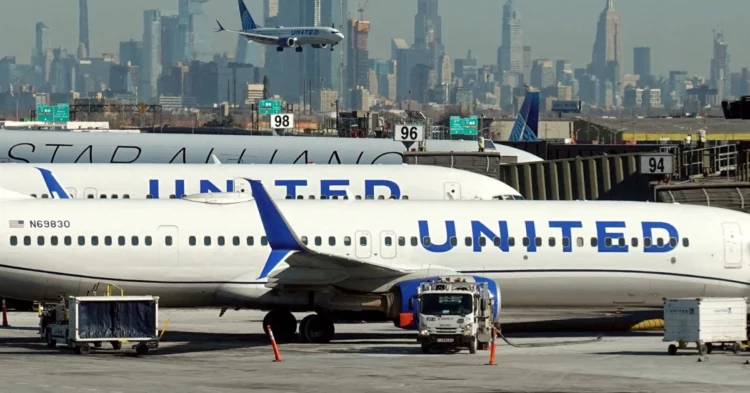
Air travel across the United States operates within one of the world’s busiest and most sophisticated aviation networks. Every day, thousands of commercial flights connect major cities, transporting millions of passengers safely and efficiently. Despite meticulous planning and advanced technology, circumstances occasionally arise that require flights to alter their original routes. Such was the case with United Airlines Flight UAL1340, which departed Houston’s George Bush Intercontinental Airport (IAH) bound for Newark Liberty International Airport (EWR) before diverting to Washington Dulles International Airport (IAD).
While unexpected diversions can create concern among travelers, they are often routine operational decisions designed to maintain safety and efficiency. The diversion of Flight UAL1340 highlights the complex decision-making processes that airlines, pilots, dispatchers, and air traffic controllers undertake to ensure passengers reach the ground safely when conditions change.
This incident offers valuable insight into how modern aviation systems function behind the scenes and why diversions are considered an essential component of airline operations rather than signs of emergency situations.
Understanding the Diversion of United Airlines Flight UAL1340
United Airlines Flight UAL1340 departed Houston according to schedule and initially followed its planned route toward Newark, one of the busiest airports in the United States. The aircraft operating the flight was a Boeing 737 MAX 9, a modern narrow-body jet widely used on domestic routes throughout North America.
During the flight, operational conditions prompted airline officials and the cockpit crew to reassess the situation. After evaluating available information and coordinating with United Airlines’ operations center, a decision was made to divert the aircraft away from Newark and instead proceed to Washington Dulles International Airport.
The change in destination was implemented in a controlled and systematic manner. The aircraft adjusted its flight path, began preparations for arrival at Dulles, and completed a safe landing without reports of onboard incidents or emergencies.
Although the exact operational factors involved were not publicly detailed, diversions typically occur when continuing to the original destination presents challenges that could negatively affect safety, efficiency, or overall operational reliability.
How Diversion Decisions Are Made During a Flight
Flight diversions are never made casually. Before changing course, flight crews and airline operations teams carefully analyze multiple factors.
These considerations may include:
- Weather conditions at the destination airport
- Air traffic congestion
- Runway availability
- Aircraft performance data
- Maintenance concerns
- Air traffic control restrictions
- Fuel planning requirements
- Passenger and crew operational limitations
Modern aircraft continuously transmit operational information, allowing airline operations centers to monitor flights in real time. If conditions change significantly during a flight, dispatchers and pilots work together to determine the safest and most practical course of action.
In the case of Flight UAL1340, the decision to divert appears to have been based on operational considerations rather than any reported emergency situation.
Why Washington Dulles International Airport Was Selected
When an aircraft must divert, choosing the right alternate airport becomes a critical decision. Washington Dulles International Airport is one of the most strategically important airports in United Airlines’ network and frequently serves as a diversion point for flights operating along the East Coast.
Strategic Location Within United Airlines’ Network
Washington Dulles occupies a central position within the airline’s domestic route structure. Located relatively close to Newark, it offers an effective alternative when conditions at the New Jersey airport become difficult or impractical for arriving flights.
Its geographic location allows airlines to reroute aircraft without requiring excessive additional flight time or fuel consumption.
Extensive Runway Capacity
One of Dulles Airport’s greatest advantages is its runway infrastructure. The airport features multiple long runways capable of accommodating a wide range of aircraft types, including the Boeing 737 MAX 9.
This runway capacity helps reduce delays and provides flexibility during periods of high traffic or operational disruptions.
Advanced Maintenance and Technical Support
Major airline hubs maintain extensive maintenance facilities and technical support teams. If an aircraft requires inspection, troubleshooting, or precautionary checks, Washington Dulles possesses the resources needed to address these requirements efficiently.
For airlines, having immediate access to maintenance capabilities can significantly reduce operational disruptions and improve recovery efforts following a diversion.
Availability of Ground Support Services
Another reason Dulles is often selected as a diversion airport is its comprehensive ground support infrastructure.
These services include:
- Passenger assistance teams
- Rebooking support
- Aircraft servicing facilities
- Crew accommodations
- Gate availability
- Baggage handling operations
Such resources help airlines manage unexpected arrivals while minimizing inconvenience for travelers.
Challenges Frequently Faced at Newark Liberty International Airport
To understand why a flight might divert away from Newark, it is important to recognize the operational challenges frequently associated with the airport.
Heavy Air Traffic Volume
Newark consistently ranks among the busiest airports in the United States. Its proximity to New York City makes it a critical transportation hub serving millions of passengers annually.
The concentration of flights often creates congestion both in the air and on the ground.
Weather-Related Disruptions
The northeastern United States experiences a wide range of weather conditions throughout the year.
Common operational challenges include:
- Thunderstorms
- Heavy rainfall
- Snowstorms
- Fog
- Strong winds
- Low visibility conditions
Any of these factors can reduce airport capacity and affect arrival sequencing.
Air Traffic Flow Restrictions
The Federal Aviation Administration frequently implements traffic management initiatives to maintain safety and efficiency during periods of congestion.
These measures may include:
- Ground delay programs
- Airborne holding patterns
- Arrival spacing restrictions
- Departure delays
When delays become excessive, airlines sometimes determine that diverting to an alternate airport represents the most effective solution.
What Passengers Likely Experienced During the Diversion
For travelers onboard Flight UAL1340, the diversion process likely followed a familiar and structured procedure.
Initial Announcement from the Flight Crew
When a diversion becomes necessary, passengers are typically informed through announcements made by the captain or other flight deck personnel.
The crew generally explains:
- The reason for the diversion
- The new destination
- Expected arrival time
- Subsequent travel arrangements when available
Clear communication helps reduce uncertainty and reassures passengers that the situation remains under control.
Cabin Operations Continue Normally
In most diversion scenarios, cabin conditions remain calm and routine.
Flight attendants continue their duties, which may include:
- Providing passenger assistance
- Conducting safety checks
- Answering traveler questions
- Preparing the cabin for landing
Unless there is an emergency component involved, diversions are handled much like any other change in flight planning.
Arrival at Washington Dulles
Upon landing at Dulles, passengers would likely have received guidance regarding the next steps in their journey.
United Airlines typically activates specialized support teams to manage disrupted itineraries and coordinate onward travel options.
Possible arrangements may include:
- Rebooking on alternative flights
- Ground transportation assistance
- Hotel accommodations if necessary
- Updated travel information through mobile applications
The airline’s objective is to restore passenger travel plans as quickly as possible.
The Role of the Boeing 737 MAX 9 in Domestic Operations
The aircraft operating Flight UAL1340 was a Boeing 737 MAX 9, one of the newest members of Boeing’s narrow-body aircraft family.
Designed for Efficiency and Reliability
The 737 MAX 9 incorporates advanced technology aimed at improving fuel efficiency, operational performance, and passenger comfort.
Key features include:
- Modern avionics systems
- Enhanced fuel efficiency
- Extended operational range
- Advanced flight management systems
- Improved aerodynamic performance
These capabilities make the aircraft particularly suitable for high-frequency domestic routes.
Advanced Monitoring Systems
Modern commercial aircraft continuously monitor hundreds of operational parameters throughout a flight.
These systems provide information on:
- Engine performance
- Hydraulic systems
- Electrical systems
- Flight controls
- Environmental controls
This real-time monitoring helps crews and maintenance personnel identify potential concerns early and make informed operational decisions.
How Airline Operations Centers Support Diversion Decisions
Behind every commercial flight stands a sophisticated operations network responsible for monitoring flights across the globe.
Real-Time Flight Monitoring
Airline operations centers track aircraft positions, weather developments, and airport conditions continuously.
Teams evaluate:
- Flight progress
- Fuel consumption
- Airspace conditions
- Weather forecasts
- Airport capacity
This information enables rapid decision-making when conditions change unexpectedly.
Coordination with Air Traffic Control
Diversions require close coordination between multiple organizations.
These include:
- Airline dispatchers
- Flight crews
- Air traffic controllers
- Airport authorities
- Ground operations teams
The collaborative nature of aviation operations ensures that changes are implemented safely and efficiently.
Passenger Recovery Planning
Operations centers also manage the logistical challenges associated with diversions.
Their responsibilities often include:
- Rebooking affected travelers
- Coordinating aircraft assignments
- Managing crew schedules
- Updating customer information systems
This extensive planning helps minimize disruption across the broader airline network.
What the Diversion Reveals About Modern Aviation Safety
The diversion of Flight UAL1340 demonstrates several important principles that define contemporary aviation operations.
Safety Takes Priority Over Scheduling
Commercial airlines invest enormous resources in maintaining safety standards. When operational conditions suggest that an alternate course of action would be preferable, schedules become secondary considerations.
Pilots and airline officials are empowered to make decisions based on safety rather than timetable commitments.
Diversions Are Preventive Measures
One common misconception among travelers is that diversions automatically indicate emergencies.
In reality, diversions often represent preventive actions designed to avoid potential complications before they develop.
Rather than reacting to a crisis, airlines frequently divert flights to maintain operational margins and reduce risk.
Redundancy Is Built Into Aviation Systems
Modern aviation relies heavily on redundancy.
Examples include:
- Multiple navigation systems
- Backup communication channels
- Alternate airports
- Redundant aircraft systems
- Multiple operational decision-makers
This layered approach ensures that flights can adapt to changing circumstances while maintaining high safety standards.
The Importance of Alternate Airports in the United States
The United States aviation network includes numerous airports capable of supporting diverted flights.
Maintaining Network Stability
Alternate airports help prevent disruptions from spreading throughout the air transportation system.
When one airport experiences difficulties, nearby facilities can absorb traffic and maintain overall network functionality.
Supporting Airline Operations
Major hubs such as Washington Dulles provide essential support during irregular operations.
Their resources allow airlines to:
- Process unexpected arrivals
- Conduct inspections
- Reposition aircraft
- Assist passengers
Without these capabilities, disruptions could have far greater consequences across airline networks.
Lessons from the United Airlines Flight UAL1340 Diversion
The diversion of United Airlines Flight UAL1340 serves as a practical example of how modern aviation responds to evolving operational conditions.
The flight departed Houston with Newark as its intended destination but ultimately landed safely at Washington Dulles after airline officials determined that continuing to Newark was not the preferred option. The decision reflected a proactive approach rooted in safety, efficiency, and operational reliability.
For passengers, diversions can be inconvenient and unexpected. However, they are also evidence that aviation systems are functioning as intended. Pilots, dispatchers, air traffic controllers, and airport personnel work together to evaluate risks, implement solutions, and ensure safe outcomes when circumstances change.