Stick to the Facts
Add Nbsla.ca as a Preferred Source on Google to see more of our stories in your search results.

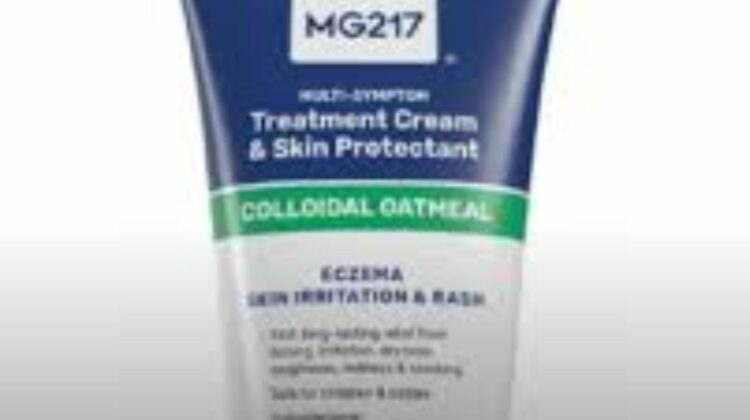
A major FDA Pharmacal eczema cream recall has sparked nationwide concern after a popular skin treatment product was found to be contaminated with dangerous bacteria. The MG217 eczema cream recall affects a product widely used for eczema relief, itching, skin irritation, redness, and dryness, including use by children and babies.
According to the U.S. Food and Drug Administration, Wisconsin-based Pharmacal issued the recall after testing revealed contamination with Staphylococcus aureus, commonly known as staph bacteria.
The contaminated product was sold nationwide through retail stores, wholesalers, and online marketplaces including Amazon, raising concerns about how many consumers may still have the product in their homes.
FDA Pharmacal Eczema Cream Recall: What Product Is Affected?
The FDA Pharmacal eczema cream recall specifically impacts:
- MG217 Multi-Symptom Treatment Cream & Skin Protectant Eczema Cream
- Product Code: 5106
- UPC: 012277051067
- Lot Number: 1024088
- Expiration Date: November 2026
- Tube Size: 6 oz.
The recalled product was marketed as a hypoallergenic eczema cream designed for full-body moisturizing and skin protection. The company advertised the cream as safe for children and babies while promising relief from:
- Itching
- Skin irritation
- Dryness
- Cracking
- Redness
- Rough skin symptoms
The MG217 eczema cream recall has become especially alarming because eczema sufferers often already have damaged or sensitive skin, which may increase infection risk.
Why the MG217 Eczema Cream Recall Was Issued
The FDA Pharmacal eczema cream recall was initiated after the product tested positive for contamination with Staphylococcus aureus bacteria.
According to the FDA warning, contaminated skin products can potentially cause infections ranging from mild skin irritation to severe life-threatening medical complications.
The FDA notice warned that people with weakened immune systems or compromised skin barriers face the highest risk. This includes individuals with:
- Open wounds
- Burns
- Eczema and skin disorders
- Diabetes
- Chronic illnesses
- Cancer treatments
- Immune suppression conditions
Because eczema often creates cracks and openings in the skin, contaminated creams may allow bacteria to enter the body more easily.
What Is Staphylococcus Aureus?
The bacteria involved in the MG217 eczema cream recall, Staphylococcus aureus, commonly called staph, is frequently found on human skin and inside the nose.
According to the Centers for Disease Control and Prevention, about 30% of people naturally carry the bacteria without becoming sick.
However, under certain conditions, staph bacteria can trigger dangerous infections.
Early symptoms may include:
- Red bumps
- Boils
- Painful skin irritation
- Swelling
- Warm or inflamed skin
In severe cases, staph infections can spread deeper into the body and lead to:
- Blood infections
- Pneumonia
- Bone infections
- Heart complications
- Sepsis
- Septic shock
The FDA warned that these infections may become life-threatening in vulnerable individuals.
MG217 Eczema Cream Recall and Consumer Safety Concerns
One major reason the FDA Pharmacal eczema cream recall is receiving widespread attention is because the product was marketed toward sensitive skin users, including children.
Consumers often trust eczema creams because they are specifically designed to soothe damaged skin barriers. The discovery of bacterial contamination inside such a product has therefore raised serious concerns about manufacturing safety and quality control.
The FDA stated that no adverse events or illnesses connected to the MG217 eczema cream recall have been officially reported so far. However, consumers are still being urged to stop using the product immediately.
What Consumers Should Do After the FDA Pharmacal Eczema Cream Recall
The U.S. Food and Drug Administration advises anyone who purchased the recalled eczema cream to:
- Stop using the product immediately
- Safely discard the cream
- Monitor for unusual skin reactions or symptoms
- Seek medical attention if side effects occur
The company is currently contacting distributors and arranging returns of recalled inventory.
Consumers with questions regarding the FDA Pharmacal eczema cream recall can contact Pharmacal directly by:
- Phone: 800-558-6614
- Email: [email protected]
The company stated support lines are available Monday through Friday during business hours.
FDA MedWatch Reporting and Health Warnings
Consumers experiencing side effects linked to the MG217 eczema cream recall are encouraged to report issues through the FDA MedWatch Adverse Event Reporting Program.
Reports can be submitted:
- Online
- By mail
- By fax
The FDA also reminded consumers to seek immediate medical care if they experience serious symptoms after using the product.
Possible warning signs include:
- Severe skin irritation
- Fever
- Swelling
- Painful sores
- Infection symptoms
- Difficulty healing wounds
FDA Pharmacal Eczema Cream Recall Highlights Growing Product Safety Concerns
The FDA Pharmacal eczema cream recall comes at a time when product safety concerns are increasingly drawing public attention. Consumers are becoming more aware of contamination risks involving personal care products, medications, and over-the-counter treatments.
Because eczema products are frequently used daily and often applied to already damaged skin, recalls involving contamination create heightened concern among families and healthcare providers.
The MG217 eczema cream recall also demonstrates how bacterial contamination in skincare products can quickly escalate into a significant public health warning.
The expanding attention surrounding the FDA Pharmacal eczema cream recall and the MG217 eczema cream recall reflects growing concern about consumer safety, especially for products designed for sensitive skin conditions.
While no confirmed illnesses have yet been linked to the contaminated eczema cream, federal health officials are urging consumers not to take risks.
The recall serves as a reminder that even products marketed as gentle, hypoallergenic, and safe for children can still face manufacturing contamination problems that may pose serious health risks if not addressed quickly.