Stick to the Facts
Add Nbsla.ca as a Preferred Source on Google to see more of our stories in your search results.

A serious food safety news alert has been issued after federal officials warned consumers about possible Listeria monocytogenes contamination in Daisy Headcheese products distributed in Illinois and Indiana. The USDA Food Safety and Inspection Service has connected the contaminated deli meat product to a localized listeria outbreak in Illinois, raising concerns about food safety, deli meat contamination, and the dangers of listeria infections.
The Daisy Headcheese listeria contamination alert has quickly become major food safety news because the product was sold in deli counters where customers may not realize they purchased the affected meat. Health officials are warning consumers not to eat the product under any circumstances.
Daisy Headcheese Public Health Alert Raises Serious Food Safety Concerns
According to the USDA, the affected product is Daisy Headcheese produced by Crawford Sausage Company of Chicago, Illinois. The contaminated product was produced on January 20, 2026, and later distributed to retail deli locations in Illinois and Indiana.
The USDA said a recall was not requested because the Daisy Headcheese product is no longer available for purchase in stores. However, food safety officials fear that some consumers may still have the product stored in refrigerators or freezers at home.
This Daisy Headcheese listeria contamination alert is especially concerning because the product was sold both prepackaged and sliced directly at deli counters. In many cases, customers may only see the producer’s brand name without a visible use-by date.
USDA Issues Urgent Recall Over Listeria-Contaminated Daisy Brand Headcheese
What Is Daisy Headcheese?
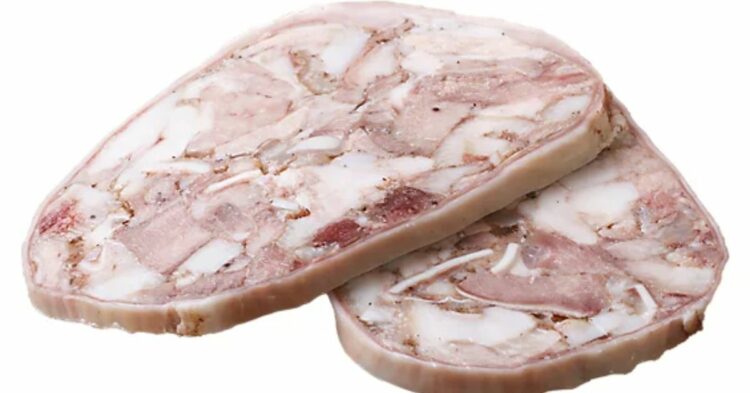
Headcheese is a traditional pork deli meat product made from meat taken from the animal’s head, combined with seasonings, cooked, and then formed into a loaf. It is commonly sliced and sold at deli counters.
The USDA public health alert identifies the affected products as:
- Daisy Headcheese sold in various package sizes
- Product sold prepacked or sliced at deli counters
- Use-by date of March 26, 2026
- Some packages included a red “HOT” sticker
- Establishment number EST. 21406 inside the USDA inspection mark
The contaminated Daisy Headcheese products were distributed to retail deli locations in Illinois and Indiana.
Illinois Listeria Outbreak Linked to Daisy Headcheese
The Daisy Headcheese listeria contamination investigation began after officials identified a localized outbreak of Listeria monocytogenes in Illinois. The investigation involves the USDA, the Illinois Department of Public Health, and local health agencies.
As part of the investigation, food safety officials tested an unopened package of Daisy Headcheese. Laboratory testing confirmed the presence of Listeria monocytogenes contamination in the product.
Additional testing is now being conducted to determine whether the listeria strain found in the contaminated Daisy Headcheese matches samples collected from patients involved in the Illinois outbreak.
Because the outbreak currently appears limited to Illinois, the Centers for Disease Control and Prevention has not issued a nationwide outbreak warning at this time.
Still, the Daisy Headcheese listeria contamination case is drawing national attention in food safety news circles due to the severe health risks associated with listeriosis infections.
What Is Listeria Monocytogenes?
Listeria monocytogenes is a dangerous foodborne bacterium that can cause a serious illness known as listeriosis. The infection is particularly dangerous for:
- Pregnant women
- Older adults
- Newborn babies
- People with weakened immune systems
Healthy individuals can also become sick after exposure to listeria contamination.
Symptoms of listeriosis may include:
- Fever
- Muscle aches
- Nausea
- Vomiting
- Diarrhea
- Headache
- Confusion
- Loss of balance
- Convulsions in severe cases
Pregnant women infected with listeria may experience miscarriage, stillbirth, premature delivery, or life-threatening infection in newborns.
One major concern in this Daisy Headcheese food safety alert is that listeriosis symptoms can appear days or even weeks after exposure. Health officials warn consumers to monitor for symptoms for up to 70 days after eating the contaminated product.
What Consumers Should Do Immediately
Consumers who purchased Daisy Headcheese linked to the listeria contamination outbreak should not eat the product.
Food safety officials recommend:
- Throwing the product away immediately
- Double bagging or securely wrapping the meat before disposal
- Using a garbage container with a tight-fitting lid
- Returning the product to the place of purchase for a refund if possible
Consumers should also thoroughly clean refrigerators, deli drawers, containers, and surfaces that may have come into contact with the contaminated Daisy Headcheese product.
Listeria bacteria can survive in refrigerated environments and spread to other foods through cross contamination.
Monitor Your Health for 70 Days
Anyone who consumed Daisy Headcheese connected to this listeria contamination alert should carefully monitor their health for the next 70 days.
If symptoms of listeriosis develop, consumers should seek medical attention immediately and tell healthcare providers about possible exposure to contaminated deli meat products.
Early medical treatment is important, especially for high-risk groups.
Food Safety News Highlights Growing Deli Meat Concerns
This Daisy Headcheese listeria contamination alert is the latest in a growing number of food safety news incidents involving deli meats and ready-to-eat products.
Deli meats can become contaminated during processing, packaging, slicing, or storage. Since many ready-to-eat products are consumed without additional cooking, bacteria like Listeria monocytogenes can pose a major health risk.
Food safety experts continue urging consumers to:
- Keep refrigerators clean
- Follow use-by dates
- Avoid consuming questionable deli products
- Heat deli meats when recommended
- Stay updated on food safety news and outbreak alerts
The USDA investigation into the Daisy Headcheese listeria contamination outbreak remains ongoing as officials work to determine the full scope of the Illinois cases connected to the contaminated product.