Stick to the Facts
Add Nbsla.ca as a Preferred Source on Google to see more of our stories in your search results.

Air travel across the United States has been thrown into turmoil as widespread flight delays and cancellations continue to impact thousands of passengers. Major airports in Boston, New York, San Francisco, Orlando, Atlanta, Anchorage, and several other cities are experiencing significant operational disruptions, leaving travelers stranded, delayed, or scrambling to rebook flights.
According to the latest aviation data, more than 1,807 flights have been delayed and 122 flights have been cancelled across the country. The disruptions are affecting some of the nation’s largest airlines, including United Airlines, American Airlines, Delta Air Lines, JetBlue Airways, Southwest Airlines, Republic Airways, Endeavor Air, Mesa Airlines, Horizon Air, and several regional carriers.
The combination of strong winds, thunderstorms, airport congestion, and a stubborn omega block weather pattern has created one of the most challenging travel days seen in recent weeks. With weather systems expected to remain active, airlines and airports are warning passengers that additional delays and cancellations may continue through the coming days.
Boston Flight Delays and Cancellations Lead Nationwide Disruptions
Among all affected airports, Boston Logan International Airport emerged as one of the hardest-hit locations. The airport recorded 49 cancelled flights and 151 delayed flights, making it one of the most disrupted aviation hubs in the United States.
High wind conditions have forced air traffic controllers to implement ground delay programs, slowing arrivals and departures throughout the day. As aircraft wait longer for takeoff and landing slots, delays continue to spread across airline networks nationwide.
Travelers flying through Boston have faced extended wait times, missed connections, and schedule changes as airlines attempt to recover operations.
The situation at Boston Logan demonstrates how weather-related issues at a single major hub can quickly impact flights across the entire national aviation system.
New York Airports Continue Facing Significant Flight Problems
The New York metropolitan area is also dealing with substantial flight disruptions.
John F. Kennedy International Airport reported dozens of delayed flights along with multiple cancellations as airlines struggled to maintain schedules amid changing weather conditions and increased air traffic congestion.
Passengers traveling through New York have reported lengthy waits at terminals as airlines work to accommodate affected travelers. Because New York serves as a major gateway for both domestic and international travel, disruptions there often create ripple effects across multiple states and countries.
Flights connecting through New York have experienced cascading delays, impacting passengers traveling to destinations throughout North America, Europe, and beyond.
San Francisco and West Coast Airports Battle Operational Challenges
On the West Coast, San Francisco International Airport has also been significantly affected by today’s aviation disruptions.
The airport reported nearly 100 delayed flights alongside several cancellations as weather conditions and traffic management issues created operational bottlenecks.
San Francisco remains one of America’s busiest international gateways, making delays particularly disruptive for both business and leisure travelers.
Airlines operating out of San Francisco have been forced to adjust departure schedules, reroute aircraft, and manage growing passenger queues as delays continue to accumulate throughout the day.
Atlanta Remains a Major Trouble Spot
Hartsfield-Jackson Atlanta International Airport, the world’s busiest airport by passenger traffic, has also experienced major disruptions.
Atlanta recorded 134 delays and 11 cancellations as thunderstorms and unstable weather conditions impacted airport operations.
Because Atlanta serves as a critical connecting hub for domestic flights, even moderate disruptions can affect hundreds of flights nationwide.
Passengers connecting through Atlanta have encountered missed connections, longer layovers, and flight schedule adjustments as airlines work to stabilize operations.
Orlando and Florida Travelers Face Weather-Related Delays
Florida airports, including Orlando International Airport, have also seen disruptions linked to unstable weather conditions associated with the broader omega block pattern.
Heavy rainfall, thunderstorms, and shifting wind patterns have created challenges for air traffic operations throughout the region.
Many travelers heading to Florida’s popular tourist destinations have experienced delayed departures and arrivals as airlines navigate changing weather conditions.
With summer travel demand increasing, airports across Florida remain vulnerable to further weather-related disruptions.
Anchorage and Northern Routes Experience Delays
Anchorage and several northern routes have also reported operational challenges as weather systems continue impacting aviation schedules.
While not experiencing the same cancellation numbers as Boston or Atlanta, delays have affected travelers using Alaska’s major aviation gateways.
Airlines operating northern routes are closely monitoring conditions as weather-related disruptions continue affecting flight schedules.
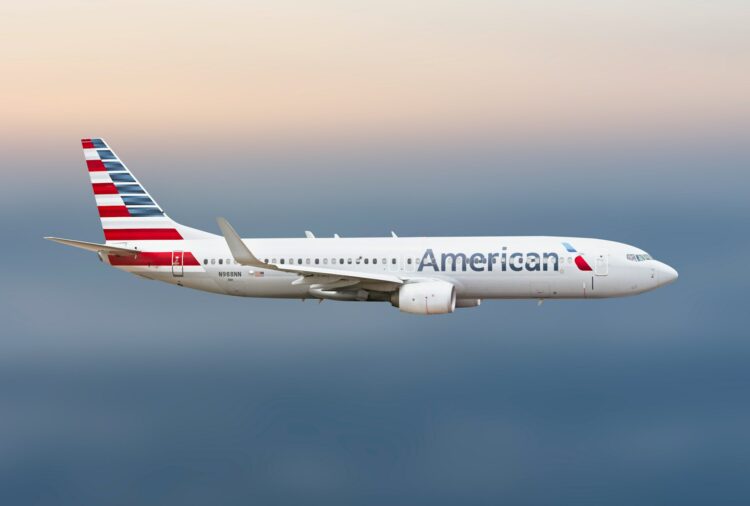
American Airlines Reports Highest Number of Delayed Flights
Among major carriers, American Airlines recorded the largest number of delayed flights, highlighting the widespread nature of today’s aviation challenges.
American Airlines reported an astonishing 415 delayed flights, making it the most impacted airline in terms of delay volume.
The disruptions have affected domestic routes, international services, and connecting flights throughout the carrier’s extensive network.
Passengers flying with American Airlines have been advised to monitor flight updates closely and consider alternative travel arrangements if necessary.
Delta Air Lines Faces Significant Operational Impact
Delta Air Lines has also experienced substantial disruptions.
The carrier reported 23 cancelled flights and 147 delayed flights, affecting passengers across multiple regions of the country.
As Delta operates major hubs in Atlanta, New York, Boston, and other key cities, weather-related challenges at those airports have had a direct impact on the airline’s operations.
Delta teams have been working throughout the day to rebook affected passengers and minimize further disruptions.
United Airlines Struggles With Delays Across Its Network
United Airlines has also faced a difficult operational day.
The airline reported 138 delayed flights and multiple cancellations as weather systems and airport congestion impacted its schedule.
United’s major hubs, including those in San Francisco, Newark, Chicago, and Denver, have all experienced varying levels of disruption.
Passengers traveling on United Airlines have encountered longer wait times and changing departure schedules as the carrier adjusts operations.
JetBlue and Southwest Also Affected
JetBlue Airways reported dozens of delays and several cancellations, particularly affecting routes in the Northeast and Florida.
Southwest Airlines, meanwhile, experienced more than 160 delayed flights as the carrier dealt with weather impacts across multiple airports.
Although cancellation numbers remained relatively low compared to delays, prolonged disruptions have still created challenges for thousands of passengers.
Regional airlines including Republic Airways, Horizon Air, Endeavor Air, and Mesa Airlines have also experienced operational difficulties.
The Omega Block Weather Pattern Continues Creating Aviation Problems
Meteorologists point to an omega block weather pattern as one of the primary causes behind today’s widespread disruptions.
An omega block occurs when a large atmospheric high-pressure system becomes trapped between two low-pressure systems, creating a weather pattern that resembles the Greek letter omega.
This pattern often causes weather systems to stall over regions for extended periods.
As a result, some parts of the United States experience persistent rain, thunderstorms, and strong winds, while other regions remain unusually warm and dry.
The current omega block has contributed to strong winds in the Northeast, repeated thunderstorm activity in the South and Southeast, and unstable conditions in several major aviation corridors.
Forecasters warn that this pattern could remain in place for several more days, increasing the likelihood of continued flight disruptions.
Thousands of Travelers Impacted Nationwide
The total impact of today’s disruptions extends far beyond airport statistics.
Thousands of passengers have missed business meetings, family gatherings, vacations, and important events due to flight delays and cancellations.
Many travelers have faced unexpected hotel stays, additional transportation expenses, and lengthy waits at airports.
The combination of 1,807 delayed flights and 122 cancelled flights makes this one of the most significant travel disruption events seen across the United States in recent weeks.
From Boston and New York to San Francisco, Orlando, Atlanta, Anchorage, and beyond, airports continue working with airlines and federal aviation authorities to restore normal operations.
What Travelers Should Do Right Now
Passengers planning to travel should continue checking flight status updates frequently through airline websites and mobile apps.
Travel experts recommend arriving at airports earlier than usual, allowing extra time for security screening and potential schedule changes.
Travelers should also monitor weather forecasts, especially in regions experiencing thunderstorms, strong winds, and heavy rainfall.
Airlines are encouraging passengers to explore flexible rebooking options and keep travel documents readily available in case itinerary changes become necessary.
Flight Delays and Cancellations May Continue
While airlines and airports are working aggressively to recover operations, weather forecasters indicate that the omega block pattern may continue influencing travel conditions for several more days.
As long as strong winds, thunderstorms, and airport congestion remain factors, passengers should prepare for the possibility of additional delays and cancellations.
For now, Boston, New York, San Francisco, Orlando, Atlanta, Anchorage, and numerous other cities remain at the center of a nationwide aviation disruption affecting United Airlines, American Airlines, Delta Air Lines, JetBlue Airways, Southwest Airlines, Republic Airways, and several regional carriers.
With 1,807 delayed flights and 122 cancelled flights already reported, travelers across the United States are being urged to stay informed and remain flexible as the situation continues to evolve.Air travel across the United States has been thrown into turmoil as widespread flight delays and cancellations continue to impact thousands of passengers. Major airports in Boston, New York, San Francisco, Orlando, Atlanta, Anchorage, and several other cities are experiencing significant operational disruptions, leaving travelers stranded, delayed, or scrambling to rebook flights.
According to the latest aviation data, more than 1,807 flights have been delayed and 122 flights have been cancelled across the country. The disruptions are affecting some of the nation’s largest airlines, including United Airlines, American Airlines, Delta Air Lines, JetBlue Airways, Southwest Airlines, Republic Airways, Endeavor Air, Mesa Airlines, Horizon Air, and several regional carriers.
The combination of strong winds, thunderstorms, airport congestion, and a stubborn omega block weather pattern has created one of the most challenging travel days seen in recent weeks. With weather systems expected to remain active, airlines and airports are warning passengers that additional delays and cancellations may continue through the coming days.
Boston Flight Delays and Cancellations Lead Nationwide Disruptions
Among all affected airports, Boston Logan International Airport emerged as one of the hardest-hit locations. The airport recorded 49 cancelled flights and 151 delayed flights, making it one of the most disrupted aviation hubs in the United States.
High wind conditions have forced air traffic controllers to implement ground delay programs, slowing arrivals and departures throughout the day. As aircraft wait longer for takeoff and landing slots, delays continue to spread across airline networks nationwide.
Travelers flying through Boston have faced extended wait times, missed connections, and schedule changes as airlines attempt to recover operations.
The situation at Boston Logan demonstrates how weather-related issues at a single major hub can quickly impact flights across the entire national aviation system.
New York Airports Continue Facing Significant Flight Problems
The New York metropolitan area is also dealing with substantial flight disruptions.
John F. Kennedy International Airport reported dozens of delayed flights along with multiple cancellations as airlines struggled to maintain schedules amid changing weather conditions and increased air traffic congestion.
Passengers traveling through New York have reported lengthy waits at terminals as airlines work to accommodate affected travelers. Because New York serves as a major gateway for both domestic and international travel, disruptions there often create ripple effects across multiple states and countries.
Flights connecting through New York have experienced cascading delays, impacting passengers traveling to destinations throughout North America, Europe, and beyond.
San Francisco and West Coast Airports Battle Operational Challenges
On the West Coast, San Francisco International Airport has also been significantly affected by today’s aviation disruptions.
The airport reported nearly 100 delayed flights alongside several cancellations as weather conditions and traffic management issues created operational bottlenecks.
San Francisco remains one of America’s busiest international gateways, making delays particularly disruptive for both business and leisure travelers.
Airlines operating out of San Francisco have been forced to adjust departure schedules, reroute aircraft, and manage growing passenger queues as delays continue to accumulate throughout the day.
Atlanta Remains a Major Trouble Spot
Hartsfield-Jackson Atlanta International Airport, the world’s busiest airport by passenger traffic, has also experienced major disruptions.
Atlanta recorded 134 delays and 11 cancellations as thunderstorms and unstable weather conditions impacted airport operations.
Because Atlanta serves as a critical connecting hub for domestic flights, even moderate disruptions can affect hundreds of flights nationwide.
Passengers connecting through Atlanta have encountered missed connections, longer layovers, and flight schedule adjustments as airlines work to stabilize operations.
Orlando and Florida Travelers Face Weather-Related Delays
Florida airports, including Orlando International Airport, have also seen disruptions linked to unstable weather conditions associated with the broader omega block pattern.
Heavy rainfall, thunderstorms, and shifting wind patterns have created challenges for air traffic operations throughout the region.
Many travelers heading to Florida’s popular tourist destinations have experienced delayed departures and arrivals as airlines navigate changing weather conditions.
With summer travel demand increasing, airports across Florida remain vulnerable to further weather-related disruptions.
Anchorage and Northern Routes Experience Delays
Anchorage and several northern routes have also reported operational challenges as weather systems continue impacting aviation schedules.
While not experiencing the same cancellation numbers as Boston or Atlanta, delays have affected travelers using Alaska’s major aviation gateways.
Airlines operating northern routes are closely monitoring conditions as weather-related disruptions continue affecting flight schedules.
American Airlines Reports Highest Number of Delayed Flights
Among major carriers, American Airlines recorded the largest number of delayed flights, highlighting the widespread nature of today’s aviation challenges.
American Airlines reported an astonishing 415 delayed flights, making it the most impacted airline in terms of delay volume.
The disruptions have affected domestic routes, international services, and connecting flights throughout the carrier’s extensive network.
Passengers flying with American Airlines have been advised to monitor flight updates closely and consider alternative travel arrangements if necessary.
Delta Air Lines Faces Significant Operational Impact
Delta Air Lines has also experienced substantial disruptions.
The carrier reported 23 cancelled flights and 147 delayed flights, affecting passengers across multiple regions of the country.
As Delta operates major hubs in Atlanta, New York, Boston, and other key cities, weather-related challenges at those airports have had a direct impact on the airline’s operations.
Delta teams have been working throughout the day to rebook affected passengers and minimize further disruptions.
United Airlines Struggles With Delays Across Its Network
United Airlines has also faced a difficult operational day.
The airline reported 138 delayed flights and multiple cancellations as weather systems and airport congestion impacted its schedule.
United’s major hubs, including those in San Francisco, Newark, Chicago, and Denver, have all experienced varying levels of disruption.
Passengers traveling on United Airlines have encountered longer wait times and changing departure schedules as the carrier adjusts operations.
JetBlue and Southwest Also Affected
JetBlue Airways reported dozens of delays and several cancellations, particularly affecting routes in the Northeast and Florida.
Southwest Airlines, meanwhile, experienced more than 160 delayed flights as the carrier dealt with weather impacts across multiple airports.
Although cancellation numbers remained relatively low compared to delays, prolonged disruptions have still created challenges for thousands of passengers.
Regional airlines including Republic Airways, Horizon Air, Endeavor Air, and Mesa Airlines have also experienced operational difficulties.
The Omega Block Weather Pattern Continues Creating Aviation Problems
Meteorologists point to an omega block weather pattern as one of the primary causes behind today’s widespread disruptions.
An omega block occurs when a large atmospheric high-pressure system becomes trapped between two low-pressure systems, creating a weather pattern that resembles the Greek letter omega.
This pattern often causes weather systems to stall over regions for extended periods.
As a result, some parts of the United States experience persistent rain, thunderstorms, and strong winds, while other regions remain unusually warm and dry.
The current omega block has contributed to strong winds in the Northeast, repeated thunderstorm activity in the South and Southeast, and unstable conditions in several major aviation corridors.
Forecasters warn that this pattern could remain in place for several more days, increasing the likelihood of continued flight disruptions.
Thousands of Travelers Impacted Nationwide
The total impact of today’s disruptions extends far beyond airport statistics.
Thousands of passengers have missed business meetings, family gatherings, vacations, and important events due to flight delays and cancellations.
Many travelers have faced unexpected hotel stays, additional transportation expenses, and lengthy waits at airports.
The combination of 1,807 delayed flights and 122 cancelled flights makes this one of the most significant travel disruption events seen across the United States in recent weeks.
From Boston and New York to San Francisco, Orlando, Atlanta, Anchorage, and beyond, airports continue working with airlines and federal aviation authorities to restore normal operations.
What Travelers Should Do Right Now
Passengers planning to travel should continue checking flight status updates frequently through airline websites and mobile apps.
Travel experts recommend arriving at airports earlier than usual, allowing extra time for security screening and potential schedule changes.
Travelers should also monitor weather forecasts, especially in regions experiencing thunderstorms, strong winds, and heavy rainfall.
Airlines are encouraging passengers to explore flexible rebooking options and keep travel documents readily available in case itinerary changes become necessary.
Flight Delays and Cancellations May Continue
While airlines and airports are working aggressively to recover operations, weather forecasters indicate that the omega block pattern may continue influencing travel conditions for several more days.
As long as strong winds, thunderstorms, and airport congestion remain factors, passengers should prepare for the possibility of additional delays and cancellations.
For now, Boston, New York, San Francisco, Orlando, Atlanta, Anchorage, and numerous other cities remain at the center of a nationwide aviation disruption affecting United Airlines, American Airlines, Delta Air Lines, JetBlue Airways, Southwest Airlines, Republic Airways, and several regional carriers.
With 1,807 delayed flights and 122 cancelled flights already reported, travelers across the United States are being urged to stay informed and remain flexible as the situation continues to evolve.