Stick to the Facts
Add Nbsla.ca as a Preferred Source on Google to see more of our stories in your search results.

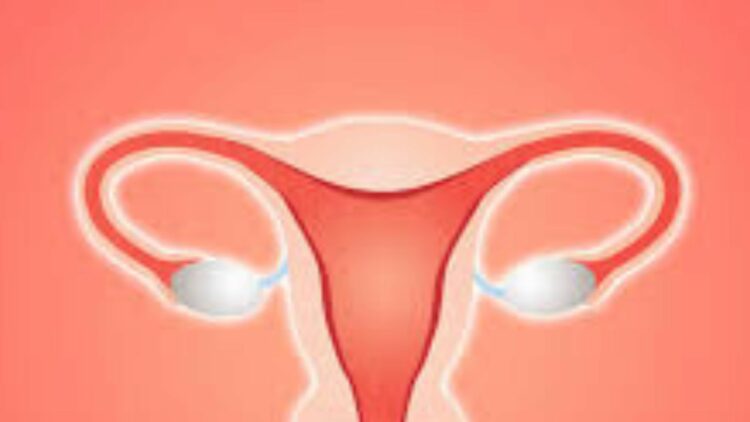
A historic change in women’s health has officially arrived as Polycystic Ovary Syndrome (PCOS) is being renamed Polyendocrine Metabolic Ovarian Syndrome (PMOS). The major medical announcement is already transforming conversations around PCOS symptoms, PMOS meaning, PCOS diagnosis, hormonal disorders, and women’s healthcare worldwide.
The new PMOS name replaces the long-used term PCOS, a condition affecting more than 170 million women globally, or roughly 1 in 8 women. Experts say the previous term “Polycystic Ovary Syndrome” failed to accurately describe the condition and contributed to years of misunderstanding, delayed diagnoses, and inadequate treatment.
The landmark announcement was led by Helena Teede, alongside global medical organizations, patient advocacy groups, and endocrine specialists after more than 14 years of international collaboration.
What Is PMOS? Understanding the New PMOS Meaning
The new term PMOS, which stands for Polyendocrine Metabolic Ovarian Syndrome, is designed to better reflect the true nature of the condition previously known as PCOS.
For years, the name Polycystic Ovary Syndrome caused confusion because many patients with the condition do not actually have ovarian cysts. Researchers now say the older terminology incorrectly focused attention only on the ovaries while ignoring the broader hormonal and metabolic complications.
The updated PMOS meaning highlights several critical components of the condition:
- Polyendocrine: multiple hormone systems involved
- Metabolic: impacts on metabolism, weight, insulin resistance, and long-term health
- Ovarian: reproductive and fertility-related effects
- Syndrome: a complex collection of symptoms and health impacts
Experts believe the new PMOS name will improve awareness, diagnosis, and treatment worldwide.
Why the PCOS New Name Was Needed
According to researchers, the old name PCOS created major misconceptions for both patients and healthcare providers.
Helena Teede explained that scientific evidence now confirms there is no increase in abnormal ovarian cysts associated with the condition. Instead, the disorder is deeply connected to hormonal imbalance and metabolic dysfunction.
She said many patients experienced delayed diagnosis because the term “polycystic ovaries” caused healthcare professionals to overlook individuals who did not display ovarian cysts on scans.
The previous terminology also minimized the seriousness of the condition by reducing it to reproductive issues alone, while ignoring:
- Metabolic health risks
- Insulin resistance
- Mental health effects
- Skin conditions
- Hormonal disruption
- Cardiovascular risks
- Fertility complications
The shift from PCOS to PMOS is intended to correct those misunderstandings permanently.
PMOS Symptoms: How PMOS and PCOS Symptoms Affect Women
One of the most important parts of the new awareness campaign involves educating the public about PMOS symptoms, previously known as PCOS symptoms.
The condition can affect nearly every system in the body. Common PMOS symptoms include:
- Irregular menstrual cycles
- Weight gain or difficulty losing weight
- Insulin resistance
- Acne and skin problems
- Excess facial or body hair
- Hair thinning or hair loss
- Fertility challenges
- Fatigue
- Anxiety and depression
- Hormonal imbalance
Doctors emphasize that PMOS symptoms can vary significantly from person to person, which is another reason the older name created confusion.
The new PMOS classification aims to help healthcare systems recognize the condition as a full-body endocrine and metabolic disorder rather than only a reproductive syndrome.
Helena Teede PMOS Announcement Marks Global Medical Shift
The Helena Teede PMOS announcement is already being described as one of the largest medical renaming initiatives ever undertaken.
Helena Teede led the project through Monash University’s Monash Centre for Health Research & Implementation, working alongside international medical experts, researchers, and patient organizations.
More than 50 professional and patient organizations participated in the effort, including the Endocrine Society.
The process involved:
- More than 22,000 patient survey responses
- International workshops
- Multidisciplinary expert panels
- Global cultural consultation
- Three years of transition planning
Researchers say the goal was to create a scientifically accurate, culturally sensitive, patient-centered name.
PMOS Replaces PCOS in Global Healthcare Discussions
The transition from PCOS to PMOS will now roll out globally over a three-year implementation period.
Medical professionals, researchers, governments, and advocacy organizations are expected to gradually adopt the new PMOS terminology before its full integration into international clinical guidelines in 2028.
Experts believe the change could improve:
- Earlier diagnosis
- Public awareness
- Research funding
- Patient support
- Treatment quality
- Mental health recognition
- Long-term healthcare planning
For many patients, the shift from PCOS to PMOS represents more than a name change. It represents validation after years of confusion and stigma.
Global Experts Say PMOS Better Reflects the Condition
International experts involved in the renaming effort say the old term no longer matched modern scientific understanding.
Professor Terhi Piltonen emphasized that cultural considerations were also critical during the process. In some countries, reproductive terminology can increase stigma or discourage women from seeking care.
By introducing PMOS, researchers aimed to create terminology that works across different healthcare systems and cultures while remaining scientifically accurate.
Meanwhile, Rachel Morman of Verity (PCOS UK) said the previous name failed to capture the true hormonal and metabolic complexity of the disorder.
The new PMOS name, she said, finally places hormones and metabolism at the center of the conversation.
PMOS Awareness Campaign Launches Worldwide
The transition to PMOS will include a major global awareness campaign involving educational resources, healthcare training, multilingual information, and updated clinical guidance.
The campaign aims to educate:
- Patients
- Doctors
- Researchers
- Governments
- Schools
- Healthcare systems
Medical organizations hope the stronger focus on PMOS symptoms, hormonal imbalance, and metabolic health will improve outcomes for millions of women.
PMOS and the Future of Women’s Health Research
Researchers believe the transition from PCOS to PMOS could significantly expand scientific understanding of the condition.
For years, experts argued that the older terminology limited research by focusing too heavily on reproductive symptoms while overlooking metabolic and endocrine complications.
The new PMOS framework may encourage broader studies into:
- Diabetes risk
- Obesity and metabolism
- Cardiovascular health
- Mental health effects
- Hormonal disorders
- Long-term chronic disease prevention
This broader perspective could reshape treatment approaches globally.
The official transition from Polycystic Ovary Syndrome (PCOS) to Polyendocrine Metabolic Ovarian Syndrome (PMOS) marks a major turning point in women’s healthcare.
Led by Helena Teede and supported by the Endocrine Society and dozens of international organizations, the new PMOS name is intended to improve scientific accuracy, reduce stigma, and strengthen healthcare outcomes.
As awareness of PMOS symptoms, PMOS meaning, and the PCOS new name continues to spread globally, experts hope millions of women will finally receive faster diagnoses, better treatment, and greater understanding of this complex hormonal and metabolic condition.