Stick to the Facts
Add Nbsla.ca as a Preferred Source on Google to see more of our stories in your search results.

A major breakthrough in glioblastoma treatment is giving new hope to patients battling one of the deadliest forms of brain cancer. Researchers at Washington University School of Medicine in St. Louis, working alongside scientists from Mass General Brigham and Geneos Therapeutics, have developed a personalized glioblastoma vaccine that appears to trigger powerful immune responses and improve survival rates in patients with aggressive glioblastoma.
The experimental glioblastoma vaccine, known as GNOS-PV01, was tested in an early-stage clinical trial involving patients diagnosed with one of the most aggressive and difficult-to-treat forms of glioblastoma brain cancer. Researchers say the personalized treatment was safe, generated strong immune activity, and in some cases significantly delayed cancer recurrence.
One patient remains alive and cancer-free nearly five years after diagnosis, a remarkable outcome for a disease widely considered incurable.
What Is Glioblastoma?
Glioblastoma is a fast-growing and highly aggressive brain cancer that affects approximately four in every 100,000 people in the United States.
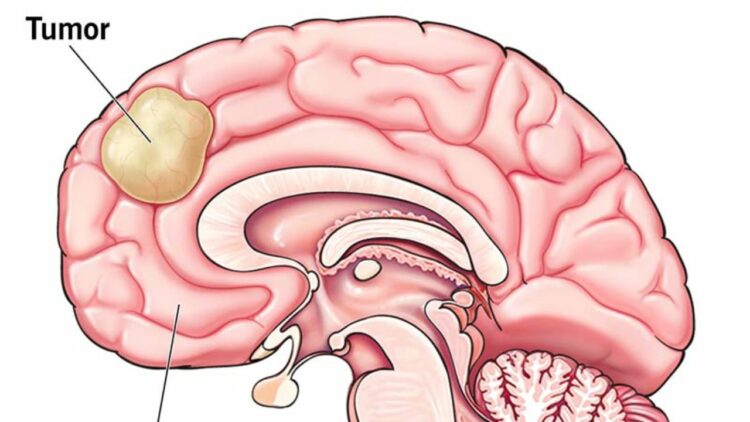
Glioblastoma develops from glial cells in the brain and is classified as a grade 4 tumor, meaning it spreads rapidly and aggressively attacks surrounding brain tissue.
Patients diagnosed with glioblastoma brain cancer often face extremely difficult odds because the disease tends to return even after surgery, chemotherapy, and radiation treatment.
Symptoms of glioblastoma may include:
- Severe headaches
- Confusion and memory problems
- Speech difficulties
- Seizures
- Weakness or balance issues
- Personality or cognitive changes
Despite advances in cancer care, recurrence remains one of the biggest challenges in treating glioblastoma.
Personalized Glioblastoma Vaccine Designed for Each Patient
The new glioblastoma vaccine represents a completely different approach compared to traditional treatments.
Instead of attacking cancer broadly, researchers created a personalized DNA-based vaccine tailored specifically to each patient’s tumor.
Every glioblastoma tumor contains unique proteins called neoantigens. These proteins act like fingerprints that distinguish cancer cells from healthy cells.
The vaccine works by teaching the patient’s immune system to recognize those unique proteins and attack the tumor directly.
According to lead researcher Tanner M. Johanns, this personalized strategy allows the immune system to target many different tumor markers simultaneously.
That is important because glioblastoma cancer cells are known for constantly evolving and escaping immune attacks.
Glioblastoma Is Known as a “Cold Tumor”
One reason glioblastoma treatment has historically been so difficult is because the cancer is considered a “cold tumor.”
This means the tumor environment effectively hides from the body’s immune system, preventing immune cells from recognizing or attacking the cancer.
Researchers say the new glioblastoma vaccine changes that environment by transforming cold tumors into “hot tumors,” making them more vulnerable to immune system activity.
This dual action is considered especially promising because the vaccine:
- Targets cancer-specific proteins
- Activates broader immune responses
- Improves immune recognition inside the tumor environment
The combination may help overcome some of the biggest obstacles in modern glioblastoma treatment.
Personalized Vaccine Targets More Cancer Proteins Than Ever Before
Researchers say the DNA-based vaccine platform was capable of targeting up to 40 cancer proteins unique to each patient’s tumor.
That is believed to be roughly double the number targeted by previous cancer vaccine therapies.
The neoantigens used in the vaccine were identified using advanced algorithms developed by computational biologists Obi Griffith and Malachi Griffith at Washington University School of Medicine in St. Louis.
By selecting targets from multiple areas of each tumor, researchers hoped to reduce the likelihood that the cancer could mutate and evade treatment.
This broader targeting approach may explain why the glioblastoma vaccine trial produced unusually strong immune responses in several participants.
Clinical Trial Results Show Encouraging Glioblastoma Survival Outcomes
The phase 1 clinical trial enrolled nine adult patients recently diagnosed with glioblastoma brain cancer.
All participants underwent surgery before receiving personalized vaccine injections.
The treatment schedule included:
- Initial vaccine doses every three weeks for nine weeks
- Additional booster injections every nine weeks afterward
Researchers reported that almost every participant showed increased immune-cell activity after receiving the vaccine.
The results were especially encouraging considering that the patients had an unmethylated MGMT subtype of glioblastoma, one of the hardest forms to treat because it responds poorly to chemotherapy.
Key findings included:
- Two-thirds of patients showed no disease progression six months after surgery
- Two-thirds survived at least one year
- One-third survived beyond two years
Historically, survival rates for this aggressive subtype are significantly lower.
Long-Term Glioblastoma Survivor Inspires Researchers
One of the most remarkable stories from the study involves Kim Garland, a retired school nurse from Missouri.
In 2021, Garland began experiencing confusion, forgetfulness, and recurring headaches while volunteering at a youth camp.
A brain scan later revealed a large tumor measuring approximately 6.5 centimeters.
Within days, neurosurgeon Albert Kim performed surgery to remove the tumor, and Garland was diagnosed with grade 4 glioblastoma.
After surgery, she joined the personalized glioblastoma vaccine trial.
Today, nearly five years later, Garland remains alive with no recurrence of her cancer.
For a disease as aggressive as glioblastoma, this type of outcome is considered extraordinary.
Researchers Hope Glioblastoma Vaccine Can Expand Further
Scientists caution that the trial was still early-stage and involved a small number of patients.
However, the strong immune responses and survival outcomes have encouraged researchers to expand the work into larger clinical studies.
Future research aims to:
- Test the vaccine in larger patient groups
- Expand treatment to additional glioblastoma subtypes
- Combine the vaccine with other immunotherapies
- Improve long-term recurrence prevention
According to researchers, the ultimate goal is to transform glioblastoma treatment from a devastating diagnosis into a manageable disease.
Why This Glioblastoma Vaccine Matters
For decades, progress in treating Glioblastoma has been limited.
Standard treatment usually involves:
- Surgery
- Radiation therapy
- Chemotherapy
Even after aggressive treatment, tumors frequently return within months.
The new personalized glioblastoma vaccine offers hope because it represents a precision-medicine approach tailored to each individual patient.
Instead of using a one-size-fits-all strategy, the vaccine is designed specifically for the biology of each tumor.
This may mark a major turning point in the future of glioblastoma cancer treatment.
The new glioblastoma vaccine trial is being viewed as one of the most promising advances in years for patients facing aggressive brain cancer.
While researchers emphasize that larger trials are still needed, the ability to generate broad immune responses and extend survival in difficult-to-treat patients has created significant optimism.
For patients diagnosed with Glioblastoma, a disease long associated with devastating outcomes, this personalized vaccine approach may represent an important step toward more effective and longer-lasting treatment options in the future.