Stick to the Facts
Add Nbsla.ca as a Preferred Source on Google to see more of our stories in your search results.

A major DFW ground stop today has triggered widespread travel chaos across North Texas after the Federal Aviation Administration issued a FAA ground stop DFW order for both Dallas-Fort Worth International Airport and Dallas Love Field due to dangerous thunderstorms moving into the region. The DFW ground stop today has already caused hundreds of cancellations, growing delays, and severe disruptions for travelers preparing for the busy Memorial Day holiday travel period.
The FAA ground stop DFW advisory was issued Tuesday afternoon as severe weather conditions intensified across North Texas. According to the Federal Aviation Administration, thunderstorms capable of producing damaging winds, lightning, and large hail forced air traffic authorities to temporarily halt incoming departures bound for Dallas-Fort Worth International Airport and Dallas Love Field.
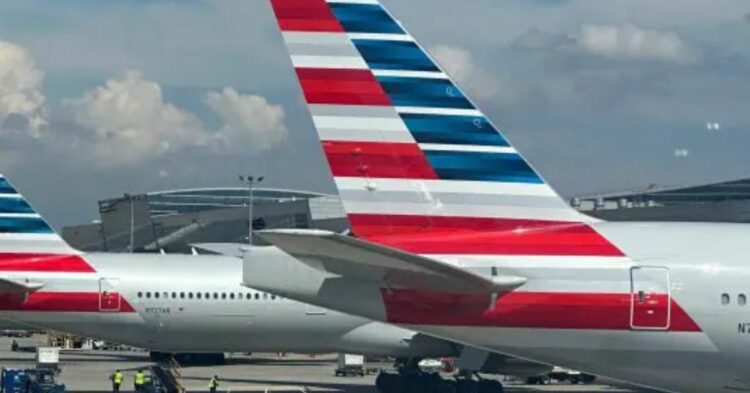
The DFW ground stop today quickly created ripple effects throughout the national aviation network because Dallas-Fort Worth International Airport is one of the busiest airline hubs in the United States and serves as the primary operational center for American Airlines. Meanwhile, Dallas Love Field serves as the home base for Southwest Airlines, making the FAA ground stop DFW situation especially disruptive for domestic travelers nationwide.
FAA Ground Stop DFW Issued as Thunderstorms Move Into North Texas
The Federal Aviation Administration confirmed that the DFW ground stop today would remain active until at least 4 p.m., although aviation officials warned that the advisory carried a 30% to 60% chance of being extended depending on storm intensity and airport conditions.
A ground stop is one of the FAA’s strongest traffic management tools. During a FAA ground stop DFW order, flights destined for affected airports are prevented from departing from their origin airports until conditions improve. This helps reduce congestion, maintain air traffic safety, and avoid dangerous operational conditions during severe weather events.
According to FAA updates, average departure delays at DFW International Airport quickly climbed to approximately 90 minutes and were continuing to increase as thunderstorms spread across the region. At Dallas Love Field, average delays reached around 30 minutes with additional increases expected throughout the afternoon and evening.
The National Weather Service warned that North Texas storms could bring:
- Large hail
- Damaging straight-line winds
- Heavy rain
- Dangerous lightning
- Reduced visibility for pilots
These conditions significantly impacted air traffic operations and forced the FAA ground stop DFW measures to remain in place during peak travel hours.
Over 400 Flights Cancelled During DFW Ground Stop Today
The DFW ground stop today caused immediate operational problems for airlines operating across Texas and connecting through Dallas airports.
According to flight tracking platform FlightAware, more than 400 flights had already been canceled at DFW International Airport by early afternoon as airlines scrambled to reposition aircraft, crews, and passengers amid worsening storm conditions.
The cancellations continued climbing throughout the day as weather disruptions spread through the airport system.
At Dallas Love Field, more than 55 cancellations and nearly 90 delays were reported during the FAA ground stop DFW event. While Love Field experienced fewer disruptions compared to DFW Airport, passengers still faced long waits, gate congestion, and missed connections.
Travelers at both airports reported:
- Long customer service lines
- Rebooking issues
- Delayed baggage handling
- Missed connecting flights
- Extended waiting times at gates
Because Dallas serves as a critical connection hub for flights across the United States, the DFW ground stop today also triggered delays in airports far beyond Texas.
American Airlines Hit Hardest by FAA Ground Stop DFW
The FAA ground stop DFW order has been particularly damaging for American Airlines because the carrier operates its largest hub at Dallas-Fort Worth International Airport.
American Airlines relies heavily on DFW Airport for domestic and international connections, meaning severe weather disruptions there often affect flights nationwide. Aircraft scheduled to arrive or depart from Dallas were forced into holding patterns, delayed departures, or cancellations as thunderstorms intensified.
Passengers traveling on American Airlines reported disruptions involving:
- East Coast connections
- West Coast flights
- International departures
- Regional feeder flights
- Business travel itineraries
Operational experts say the DFW ground stop today could continue causing schedule problems for American Airlines even after storms clear because crews and aircraft become displaced during major disruptions.
Southwest Airlines Faces Delays at Dallas Love Field
Dallas Love Field, dominated by Southwest Airlines, also experienced major operational stress during the FAA ground stop DFW advisory.
Southwest Airlines operates 18 of Love Field’s 20 gates, making the airline especially vulnerable when weather conditions force airport restrictions.
Although cancellation numbers remained lower compared to DFW Airport, Southwest Airlines passengers still encountered increasing delays, gate crowding, and uncertain departure schedules.
The DFW ground stop today added additional pressure to Southwest Airlines operations as aircraft rotations across the country became disrupted by incoming storm systems affecting Texas.
Memorial Day Travel Rush Adds More Pressure
The FAA ground stop DFW emergency comes at one of the busiest times of the year for U.S. air travel. Millions of Americans are preparing to travel for Memorial Day vacations, family gatherings, and holiday events, leading to already crowded airports and packed flight schedules.
Industry analysts warn that severe weather during major holiday periods creates particularly dangerous conditions for airline operations because there is very little extra capacity available to absorb delays and cancellations.
As the DFW ground stop today continued, airlines struggled to:
- Find available replacement aircraft
- Rebook stranded passengers
- Manage overbooked flights
- Coordinate crew scheduling
- Prevent nationwide network disruptions
Travel experts say the situation highlights the increasing vulnerability of the U.S. aviation system during severe weather outbreaks and peak travel periods.
Severe Weather Continues Threatening Texas Aviation Operations
Meteorologists warned that the storms responsible for the FAA ground stop DFW order could continue producing dangerous weather conditions across North and Central Texas throughout the evening.
The National Weather Service indicated that additional thunderstorms may develop with:
- Hail larger than golf balls
- Wind gusts exceeding 60 mph
- Frequent lightning strikes
- Intense rainfall
Such conditions can force additional airport restrictions, runway closures, and temporary air traffic suspensions.
Because Dallas-Fort Worth International Airport is among the busiest airports in the world, even short-term ground stops can rapidly escalate into nationwide airline disruption events.
Travelers Urged to Monitor Flight Status Closely
Passengers affected by the DFW ground stop today are being advised to monitor airline mobile apps, airport announcements, and FAA advisories continuously before heading to the airport.
Travelers flying through Dallas airports should prepare for:
- Additional cancellations
- Longer delays
- Rebooking complications
- Heavy airport congestion
- Last-minute gate changes
Airlines are encouraging passengers to arrive early, maintain flexible schedules, and review travel waiver policies as the FAA ground stop DFW situation continues evolving.
With severe thunderstorms still threatening North Texas and Memorial Day travel demand rising rapidly, aviation experts warn that the DFW ground stop today may continue impacting airline operations well beyond Tuesday evening, leaving thousands of travelers across America dealing with delays, cancellations, and ongoing uncertainty.