Stick to the Facts
Add Nbsla.ca as a Preferred Source on Google to see more of our stories in your search results.

Air travel across Canada experienced significant disruption as a wave of operational challenges led to 54 flight cancellations and 247 delays affecting major airports including Vancouver, Toronto, Montreal, Ottawa, Winnipeg, and Halifax. The disruption rippled through both domestic and international routes, impacting thousands of passengers and multiple major carriers including WestJet, Air Canada, Cathay Pacific, PAL Airlines, and Inuit Airways.
What began as isolated scheduling and operational issues quickly escalated into a broader network disruption, highlighting vulnerabilities in airline coordination, airport capacity management, and weather or logistical dependencies that often affect Canadian aviation.
Passengers across the country faced missed connections, long delays at terminals, rebooking challenges, and uncertainty as airlines worked to restore normal operations.
Overview of the Flight Disruptions Across Canada
The disruption affected a wide network of airports and carriers, with delays spreading across multiple time zones and routes. The situation impacted both inbound and outbound flights, creating cascading effects throughout airline schedules.
Scale of the Disruption
The situation included:
- 54 confirmed flight cancellations
- 247 recorded delays
- Multiple international route interruptions
- Widespread knock-on effects across domestic connections
These figures reflect only the reported disruptions during the peak period, with additional minor delays likely occurring as a secondary effect.
Airports Most Affected
Major Canadian aviation hubs experienced the most significant impact:
- Vancouver International Airport
- Toronto Pearson International Airport
- Montréal–Trudeau International Airport
- Ottawa Macdonald–Cartier International Airport
- Winnipeg James Armstrong Richardson International Airport
- Halifax Stanfield International Airport
Each of these airports reported both inbound and outbound disruptions, leading to congested terminals and extended waiting times for passengers.
Airlines Most Impacted by the Disruption
Several major carriers operating in Canada and internationally were affected, with varying degrees of schedule disruption.
WestJet
WestJet experienced a notable number of delays and cancellations across its domestic network. Routes connecting western and central Canada saw the most interruptions, particularly flights involving Vancouver, Calgary, and Toronto connections.
Passengers reported extended rebooking times and limited availability on alternative flights during peak travel hours.
Air Canada
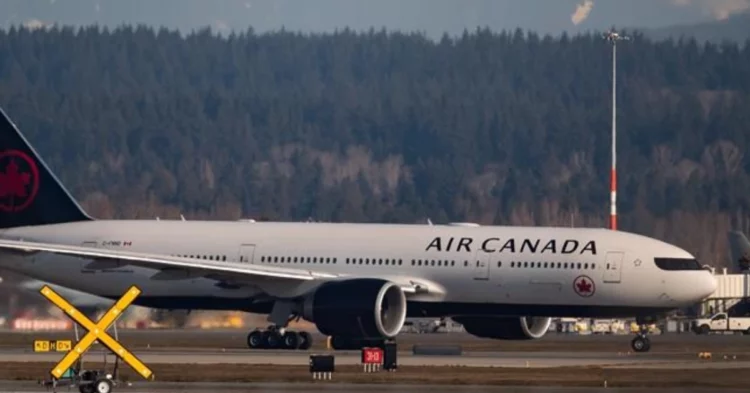
Air Canada faced widespread operational strain across both domestic and international routes. Flights connecting Toronto, Montreal, and Ottawa to global destinations were among those impacted.
The airline’s hub-and-spoke model meant that delays in major hubs quickly cascaded into additional disruptions across smaller regional airports.
Cathay Pacific
International carrier Cathay Pacific also experienced schedule interruptions, particularly on long-haul routes connecting Vancouver with Asia. These disruptions contributed to missed connections for passengers traveling onward to other international destinations.
PAL Airlines
Regional carrier PAL Airlines faced delays affecting Atlantic Canada routes, particularly flights into and out of Halifax and surrounding regional airports. Weather sensitivity and tight scheduling likely amplified the impact.
Inuit Airways
Inuit Airways experienced disruptions affecting northern routes, where limited flight frequency meant delays had a greater impact on passenger mobility and cargo transport.
Causes Behind the Widespread Flight Delays and Cancellations
While no single factor explains the full scale of the disruption, several contributing elements likely played a role in the widespread delays.
Air Traffic Congestion
One of the most common causes of cascading delays in Canadian aviation is congestion in high-traffic corridors, particularly around Toronto Pearson and Vancouver International Airport. When airspace becomes saturated, aircraft are forced into holding patterns or delayed departures.
Weather-Related Factors
Even moderate weather disturbances can significantly affect Canadian aviation due to the country’s vast geography. Fog, wind shear, and seasonal weather variability often contribute to delayed arrivals and departures, particularly in coastal and northern regions.
Operational and Staffing Constraints
Airlines frequently face operational pressure due to:
- Crew scheduling limitations
- Aircraft rotation delays
- Maintenance scheduling conflicts
- Ground handling delays
When one hub experiences disruption, aircraft and crew availability can become misaligned across the network.
International Connection Bottlenecks
Flights connecting through Vancouver, Toronto, and Montreal often serve as critical transfer points for international travel. Delays in these hubs can ripple outward, affecting flights across multiple continents.
Passenger Experience: Long Waits, Missed Connections, and Rebooking Challenges
For passengers, the disruption translated into long delays at terminals, missed connections, and uncertainty about travel plans.
Airport Congestion and Waiting Times
Terminals at major airports reported increased congestion as delayed passengers waited for updates. Boarding gates experienced frequent changes, and some travelers faced extended layovers beyond expected durations.
Rebooking Difficulties
With multiple flights canceled or delayed simultaneously, rebooking options became limited. Many passengers were forced to:
- Wait for standby availability
- Rebook for next-day departures
- Adjust multi-leg international itineraries
Impact on International Travelers
International travelers faced additional complications, especially those connecting through Canadian hubs to Europe, Asia, and the United States. Missed connections often required overnight accommodation and revised travel arrangements.
Economic and Operational Impact of the Disruptions
Flight disruptions of this scale have broader implications beyond passenger inconvenience.
Airline Operational Costs
Airlines incur significant additional costs due to:
- Aircraft repositioning
- Crew overtime and repositioning
- Passenger compensation and accommodation
- Fuel inefficiencies from rerouted flights
Airport Resource Strain
Airports also experience increased pressure on:
- Ground handling services
- Baggage systems
- Security processing
- Customer service counters
Cargo and Supply Chain Delays
Flight disruptions also affect air cargo operations, delaying time-sensitive shipments such as medical supplies, perishable goods, and industrial components.
Regional Impact Across Canadian Cities
Vancouver
Vancouver International Airport experienced disruptions affecting trans-Pacific routes and domestic connections. Long-haul flights were especially impacted due to tight international scheduling windows.
Toronto
Toronto Pearson, the busiest airport in Canada, saw widespread cascading delays affecting nearly all domestic regions and several international departures.
Montreal
Montréal–Trudeau Airport faced delays impacting European-bound flights and domestic Quebec routes, creating congestion in both departure and arrival terminals.
Ottawa
Ottawa experienced moderate disruption, primarily affecting domestic business travel routes.
Winnipeg
Winnipeg acted as a connecting hub for central Canada, where delays caused ripple effects into prairie and northern routes.
Halifax
Halifax Stanfield saw disruptions affecting Atlantic Canada connectivity and regional airline schedules.
How Airlines Responded to the Crisis
Airlines implemented several measures to manage the disruption and restore normal operations.
Schedule Adjustments
Some carriers temporarily adjusted schedules to reduce congestion and allow for aircraft and crew repositioning.
Increased Customer Support
Airlines increased staffing at customer service desks and call centers to handle rebooking requests.
Operational Recovery Plans
Recovery efforts focused on:
- Prioritizing long-haul international flights
- Stabilizing hub operations
- Restoring aircraft rotation cycles
- Clearing backlog of delayed departures
What This Means for Future Air Travel in Canada
The widespread nature of this disruption highlights structural challenges in modern aviation networks.
Dependence on Major Hubs
Canada’s reliance on a few major hubs means disruptions can quickly spread across the entire system.
Importance of Operational Resilience
Airlines may need to further invest in:
- Improved crew flexibility systems
- Better predictive delay modeling
- Enhanced ground handling efficiency
Passenger Preparedness
Travelers may increasingly need to:
- Allow longer connection windows
- Monitor flight status closely
- Consider travel insurance for major trips
Conclusion: A Reminder of the Fragility of Modern Air Networks
The 54 cancellations and 247 delays across Canada underscore how quickly air travel systems can become strained. With major airports such as Vancouver, Toronto, Montreal, Ottawa, Winnipeg, and Halifax all affected, the disruption demonstrated the interconnected nature of modern aviation.
Airlines including WestJet, Air Canada, Cathay Pacific, PAL Airlines, and Inuit Airways continue working to restore full schedule stability, but the ripple effects of such widespread delays often persist for days.