Stick to the Facts
Add Nbsla.ca as a Preferred Source on Google to see more of our stories in your search results.

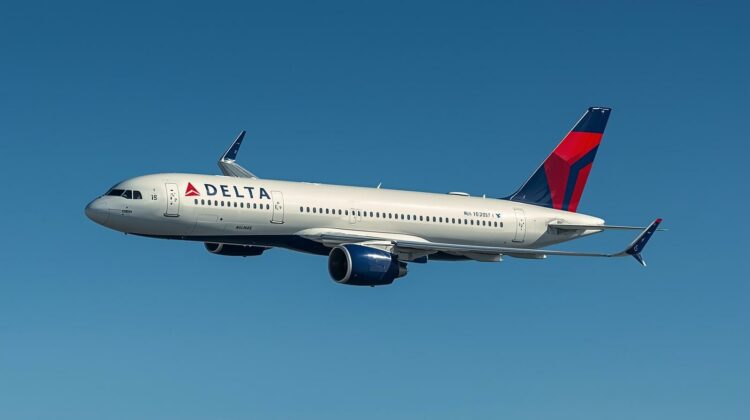
Air travel delays can happen for many reasons, from weather conditions to technical checks, but sometimes the disruption starts right inside the cabin. That was the case on Delta Flight 1323, which reportedly faced an unexpected delay after a passenger refused to end a phone call despite repeated instructions from the crew.
The situation quickly escalated into a minor onboard disruption, drawing attention from other passengers and ultimately contributing to a delay in the flight’s departure. While incidents like this are not common, they highlight how strict communication and safety rules are enforced during commercial flights.
What Happened on Delta Flight 1323
According to accounts shared from the incident, Delta Flight 1323 was preparing for departure when cabin crew asked passengers to follow standard pre-flight procedures. This includes switching mobile phones to airplane mode and ending all active calls.
One passenger, however, allegedly continued a phone conversation and refused to comply with repeated requests from the flight attendants. The disagreement created tension in the cabin as boarding procedures were temporarily disrupted.
Crew members are trained to handle such situations calmly, prioritizing safety and compliance with aviation regulations. In this case, the refusal to follow instructions led to delays as the situation had to be resolved before the aircraft could proceed.
Why Phone Use Rules Matter on Flights
Airlines like Delta Air Lines enforce strict rules regarding mobile phone usage during critical phases of flight such as boarding, taxiing, takeoff, and landing. While modern aircraft are designed to be resilient to interference, the rules are primarily about safety protocols, communication clarity, and avoiding distractions.
Key reasons for these rules include:
- Ensuring passengers can hear and follow safety instructions clearly
- Preventing interference with crew communication
- Avoiding disruptions during critical operational phases
- Maintaining a calm and controlled cabin environment
Even though most passengers comply without issue, refusal to follow these rules can lead to delays or, in some cases, removal from the flight.
How Airlines Handle Onboard Disruptions
When a passenger refuses to follow crew instructions, airline staff follow a structured process:
- Verbal Warning – The crew politely asks the passenger to comply.
- Formal Instruction – If the behavior continues, the instruction is repeated more firmly.
- Escalation to Supervisors or Captain – The flight crew may be informed for further action.
- Potential Delay or Removal – In serious cases, the passenger may be asked to leave the aircraft or the flight may be delayed until the issue is resolved.
In the case of Delta Flight 1323, the disruption reportedly resulted in a delay rather than an immediate removal, although final outcomes often depend on airline discretion and airport authority involvement.
Impact on Passengers
Even a short onboard disruption can create a ripple effect. Passengers on Delta Flight 1323 experienced extended waiting time before departure, which may have affected connecting flights and travel schedules.
Common impacts of such delays include:
- Missed connections
- Longer wait times at the gate
- Rescheduled arrivals
- Operational adjustments by the airline
While passengers often understand that safety rules must be enforced, unexpected delays can still be frustrating.
Airline Safety Culture and Passenger Responsibility
Modern aviation relies heavily on cooperation between passengers and crew. Airlines emphasize that safety instructions are not optional and must be followed at all times.
Situations like this serve as a reminder that even small actions, such as ignoring a request to end a phone call, can disrupt operations for dozens or even hundreds of people.
Airlines also continue to educate passengers during boarding announcements and safety briefings to reduce the likelihood of misunderstandings.
The incident involving Delta Flight 1323, where a passenger allegedly refused to end a phone call, shows how quickly onboard non-compliance can lead to delays. While the situation did not escalate into a major safety issue, it still disrupted the flight schedule and highlighted the importance of following crew instructions.
As air travel continues to grow, cooperation between passengers and airline staff remains essential to ensuring smooth, safe, and timely journeys for everyone on board.