Stick to the Facts
Add Nbsla.ca as a Preferred Source on Google to see more of our stories in your search results.

For centuries, people in China have practiced baduanjin exercises as a simple daily wellness routine. Now, modern science is finally confirming what many practitioners have believed for generations. A new clinical trial suggests that baduanjin may help reduce high blood pressure almost as effectively as some first-line medications.
The ancient Chinese practice combines slow body movements, controlled breathing and meditation into a short 10-minute routine that can be done almost anywhere. Researchers now say these gentle movements may offer a powerful and accessible tool for millions of people struggling with hypertension.
What Is Baduanjin?
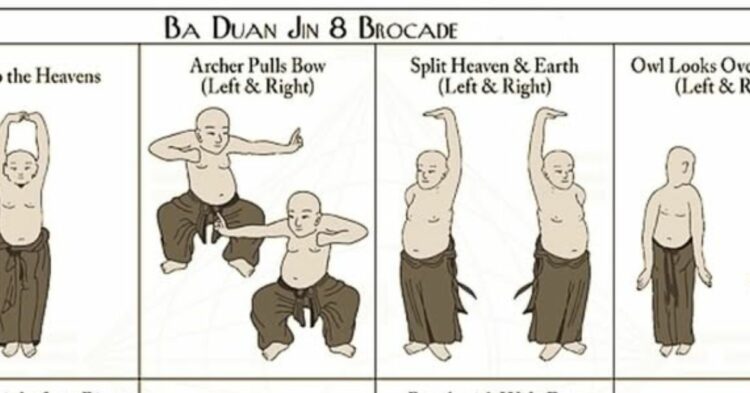
Baduanjin is a traditional Chinese mind-body exercise that dates back more than 800 years. Often called the “Eight Brocades,” the routine consists of eight flowing movements paired with mindful breathing and meditation techniques.
Unlike intense gym workouts or high-impact cardio sessions, baduanjin exercises focus on relaxation, posture, balance and controlled breathing. The practice is commonly grouped under qigong, a category of traditional Chinese wellness exercises.
One reason baduanjin is gaining worldwide attention is because it is simple enough for almost anyone to practice. There is no equipment required, no gym membership and no advanced fitness level needed.
Most sessions last only about 10 minutes, making it easy to include in a busy schedule.
Study Finds Baduanjin Exercises Lower Blood Pressure
Researchers recently studied 216 adults aged 40 and older who were diagnosed with Stage 1 hypertension. Participants were divided into different exercise groups over the course of a year.
Some practiced baduanjin exercises, while others performed self-directed exercise routines or brisk walking.
The findings were remarkable.
Researchers discovered that participants who practiced baduanjin five times per week experienced noticeable reductions in blood pressure within just three months. According to the researchers, the improvements were “comparable to reductions seen with some first-line medications.”
That finding surprised even medical experts.
Doctors Surprised by Baduanjin Results
Dr. Matthew Saybolt, medical director of the Structural Heart Disease Program at Hackensack Meridian Jersey Shore University Medical Center, admitted he expected brisk walking to produce stronger results than baduanjin exercises.
Instead, the effects were nearly identical.
He explained that low-impact movement combined with mindfulness may deliver benefits many doctors previously underestimated.
The researchers also found that baduanjin showed a safety profile comparable to brisk walking after one year, making it a potentially safe and sustainable option for older adults or people unable to perform intense exercise.
Why Baduanjin Exercises May Help Hypertension
Experts believe the effectiveness of baduanjin exercises comes from their ability to calm the nervous system and reduce stress.
Dr. Antony Chu, clinical assistant professor at Warren Alpert Medical School of Brown University, explained that stress plays a major role in high blood pressure.
According to Chu, many people today live under constant pressure, anxiety and mental exhaustion. Chronic stress keeps the body in a heightened state of alertness, increasing heart rate and tightening blood vessels.
Baduanjin appears to counter that process through slow breathing, meditation and gentle physical movement.
Chu compared blood pressure to water pressure inside household pipes. When stress rises, pressure inside the body rises as well. Practices like baduanjin exercises may help relax the body and lower that internal pressure naturally.
Eastern Medicine Meets Western Research
The study also highlights growing interest in combining traditional Eastern wellness practices with modern medical research.
For centuries, baduanjin has been used in China as a preventative health practice. But only recently have scientists started using clinical trials and statistical analysis to measure its effects in ways recognized by Western medicine.
Dr. Chu noted that many traditional practices have existed for generations before receiving scientific validation.
Researchers now believe simple routines like baduanjin exercises could become valuable additions to standard treatment plans for hypertension and stress-related conditions.
Why People Are Interested in Baduanjin Exercises
One major advantage of baduanjin is accessibility.
Unlike expensive fitness programs, the routine can be practiced:
- At home
- In an office
- Outdoors
- Without equipment
- By beginners and older adults
The movements are gentle and low-impact, which may help people who struggle with joint pain, obesity or limited mobility.
Many experts also believe people are more likely to stick with baduanjin exercises long term because the sessions are short and manageable.
Consistency is often one of the biggest challenges in lifestyle-based health programs. A 10-minute routine feels far less intimidating than intense workout plans.
High Blood Pressure Remains a Major Health Threat
Doctors continue to warn that untreated hypertension can be extremely dangerous.
High blood pressure significantly increases the risk of:
- Heart attack
- Stroke
- Atrial fibrillation
- Congestive heart failure
- Kidney disease
Because hypertension often develops silently without obvious symptoms, many people do not realize how serious the condition has become until complications appear.
That is why researchers are excited about low-cost preventative strategies like baduanjin exercises.
Baduanjin Is Not a Replacement for Medical Care
Although the study results are promising, doctors emphasize that people should not stop prescribed medications without medical guidance.
Instead, experts view baduanjin as a supportive lifestyle intervention that may complement healthy eating, regular medical care and exercise.
For many people, adding a simple 10-minute daily routine could become one part of a broader blood pressure management strategy.
Experts Say Simplicity Is the Key
One reason researchers believe baduanjin exercises may become increasingly popular is because they are realistic for everyday life.
Dr. Chu offered a simple interpretation of the study’s findings. People do not need to completely change their lives or retreat to a mountain for years of meditation.
Instead, he suggested taking just 10 quiet minutes to breathe slowly, move gently and temporarily disconnect from stress.
That simplicity may be exactly why baduanjin is attracting global attention today.
Could Baduanjin Become a Global Wellness Trend?
As stress levels continue rising worldwide, interest in natural approaches to heart health is growing rapidly. Practices like yoga, tai chi and meditation have already gained mainstream popularity across many countries.
Now, baduanjin exercises may be following the same path.
The new research suggests this ancient Chinese practice could offer modern benefits for blood pressure control, stress reduction and long-term cardiovascular health.
For millions living with hypertension, that possibility is creating significant excitement among both researchers and patients alike.