Stick to the Facts
Add Nbsla.ca as a Preferred Source on Google to see more of our stories in your search results.

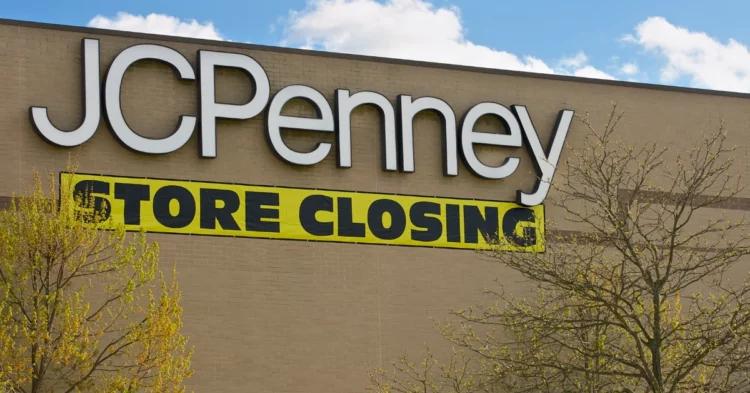
The final days are counting down for one longtime Florida retail location as bargain hunters rush through the doors searching for deep discounts before the store shuts down permanently. Shoppers in Seminole, Florida, are flocking to the local JCPenney store at Seminole City Center after liquidation sales reached as high as 90 percent off across several departments.
From clothing and furniture to jewelry and seasonal home décor, customers are filling carts with heavily discounted merchandise while inventory rapidly disappears from shelves. For many local shoppers, the closure marks the end of an era for one of America’s most recognizable department store chains.
The Seminole location has become the latest casualty in the ongoing transformation of traditional retail, reflecting larger shifts in consumer behavior, online shopping growth, and financial pressures affecting department stores nationwide.
Florida Shoppers Flood the Store Searching for Last-Minute Deals
The atmosphere inside the Seminole City Center location has changed dramatically in recent weeks. Bright liquidation banners now dominate the sales floor as markdowns continue climbing higher each week.
Customers arriving at the store are discovering aggressive discounts across nearly every category, including apparel, kitchenware, mattresses, handbags, home furnishings, and beauty products. Some departments are already beginning to look sparse as shoppers race to secure the best remaining items before the doors close permanently.
Many local residents say the size of the markdowns has surprised them. While clearance events typically begin with moderate discounts, final-stage liquidation sales often slash prices far deeper as retailers attempt to clear out remaining stock quickly.
The result has created a sense of urgency throughout the community. Shoppers are visiting earlier in the day, checking inventory frequently, and returning multiple times to monitor additional markdowns as the closure date approaches.
Retail liquidation experts explain that the final weeks of store closings often bring the steepest savings. By this stage, companies are focused less on profit margins and more on emptying the building entirely before operations officially end.
The Seminole JCPenney Closure Reflects a National Retail Shift
The closure of the Seminole store is not an isolated event. Instead, it represents another chapter in the ongoing restructuring of traditional American department stores.
For decades, JCPenney served as a cornerstone of shopping malls and retail centers throughout the United States. Generations of Americans visited stores for school clothes, holiday shopping, appliances, furniture, portraits, and family events.
However, the retail environment has changed dramatically over the past two decades.
Consumers increasingly prefer the convenience of online shopping, where they can compare prices instantly and receive products delivered directly to their homes. Major e-commerce companies have transformed customer expectations regarding speed, convenience, and product availability.
At the same time, traditional shopping malls have experienced declining foot traffic. Many once-busy retail centers now struggle with vacancies, reduced customer visits, and changing consumer habits.
Department stores have faced mounting pressure as a result.
How Online Shopping Changed the Retail Industry Forever
The rise of digital shopping platforms has permanently reshaped how Americans purchase goods. Retail analysts say consumers now prioritize convenience and price transparency more than ever before.
Companies like Amazon and Walmart continue investing billions into fulfillment networks, faster delivery systems, and digital infrastructure to dominate the retail market.
Traditional department stores, which once depended heavily on in-person foot traffic, have struggled to adapt quickly enough to changing consumer preferences.
Younger shoppers especially have embraced mobile shopping, online marketplaces, and direct-to-consumer brands. Instead of spending entire afternoons browsing department stores, many consumers now purchase clothing, electronics, and household items online within minutes.
This transition has created difficult financial conditions for many legacy retailers.
Rising operating costs, expensive leases, labor expenses, and shrinking profit margins have forced companies to reevaluate physical store locations across the country.
JCPenney’s Financial Challenges Over the Years
Like several longtime retailers, JCPenney has spent years navigating financial difficulties and evolving market conditions.
The company filed for bankruptcy protection in 2020 after years of declining sales and mounting debt pressures. The bankruptcy filing marked one of the most significant moments in the retailer’s long history.
At the time, many industry observers feared the company could completely disappear, similar to what happened with once-dominant chains such as Sears.
Instead, the company was acquired by new ownership groups that focused on stabilizing operations and modernizing the brand. Since then, executives have worked to streamline business operations, improve profitability, and reassess underperforming store locations.
While hundreds of stores remain open nationwide, the company continues reviewing leases and store performance as shopping patterns evolve.
The Seminole closure appears to be part of that broader long-term strategy.
Why Liquidation Sales Create Massive Customer Traffic
Store closing sales consistently attract large crowds because shoppers understand the discounts typically become more aggressive as liquidation progresses.
In the early stages of liquidation, retailers often offer moderate markdowns between 10 and 30 percent. As inventory levels decline and closing deadlines approach, discounts can rise significantly higher.
By the final weeks, remaining products may be discounted at 70, 80, or even 90 percent off original prices.
These deep markdowns encourage both regular customers and professional resellers to flood stores searching for valuable inventory.
Resellers frequently target designer apparel, home goods, electronics, cookware, and jewelry that can later be sold online for profit. Meanwhile, local families often use liquidation sales as opportunities to purchase expensive household items at unusually affordable prices.
Employees at closing stores typically begin consolidating merchandise into smaller areas as inventory disappears. Empty shelves and reduced product selection often create even greater urgency among shoppers who fear missing out on remaining deals.
The Emotional Impact of Department Store Closures
Beyond the financial and retail implications, store closures often carry emotional significance for local communities.
For many Americans, department stores like JCPenney represent more than just shopping destinations. They are tied to family traditions, holiday memories, school shopping trips, and decades of community history.
Longtime customers in Seminole have reportedly expressed sadness about losing another familiar retail anchor in the area.
Many shoppers remember visiting the store for back-to-school shopping, wedding registries, family portraits, or holiday sales events over the years. As these longtime retailers disappear, communities often feel a broader sense of cultural change taking place.
Retail historians note that department stores once played a central role in American suburban life. They served as gathering places where families spent hours shopping, dining, and socializing.
Today, that experience has largely shifted online.
Retail Experts Say More Closures Could Still Come
Industry analysts believe the challenges facing traditional department stores are far from over.
Although inflation has cooled compared to previous years, many consumers remain cautious with discretionary spending. Rising housing costs, higher interest rates, and economic uncertainty continue influencing shopping behavior.
At the same time, retailers must invest heavily in technology, digital logistics, and online fulfillment systems to stay competitive.
Companies unable to balance physical store operations with modern e-commerce expectations often struggle to maintain profitability.
Experts say underperforming stores will likely continue facing closure risks as leases expire and companies reevaluate long-term strategies.
This does not necessarily mean the complete disappearance of department stores, but it does suggest continued consolidation throughout the retail industry.
JCPenney Continues Searching for a Modern Identity
Despite ongoing closures, JCPenney continues attempting to reposition itself for the future.
In recent years, the retailer has expanded partnerships with beauty and fashion brands aimed at attracting younger consumers. The company has also focused on improving online shopping experiences while maintaining a reduced but more profitable store footprint.
Executives have repeatedly emphasized that the company is not shutting down entirely. Instead, leadership appears focused on maintaining stronger-performing locations while eliminating stores that no longer fit evolving business goals.
Retail analysts say survival for traditional department stores increasingly depends on flexibility, operational efficiency, and the ability to blend digital and in-person shopping experiences.
Stores that successfully adapt may continue operating for years, while weaker locations remain vulnerable to closure.
Seminole Shoppers Face a Limited-Time Opportunity
For local residents near Seminole City Center, the remaining days of liquidation represent a final opportunity to explore the store before it disappears permanently.
As inventory shrinks, customers continue arriving daily hoping to uncover hidden bargains before shelves empty completely. Furniture, apparel, and home goods remain among the most sought-after categories, though availability changes rapidly as products sell out.
Some shoppers are visiting repeatedly throughout the week to track additional markdowns and newly discounted merchandise.
Others simply want one final visit to a familiar store that has long been part of the local retail landscape.
The urgency surrounding the liquidation reflects both practical shopping motivations and emotional nostalgia.
The Future of American Department Stores Remains Uncertain
The closure of the Seminole location highlights the uncertain future facing many traditional retailers across the country.
Department stores once dominated American commerce, serving as essential shopping destinations for millions of families. Today, however, the industry faces unprecedented transformation fueled by digital innovation, changing lifestyles, and evolving consumer expectations.
Some chains are adapting successfully by embracing technology and reducing physical footprints. Others continue struggling under financial pressure and declining mall traffic.
The retail landscape of the future will likely look very different from the one many Americans grew up with.