Stick to the Facts
Add Nbsla.ca as a Preferred Source on Google to see more of our stories in your search results.

Immigration policy in the United States has long been one of the most politically sensitive and emotionally charged issues in the country. Every major change to the system affects not only government agencies and border enforcement but also millions of families, workers, students, and businesses that rely on immigration pathways for stability and opportunity. A newly announced policy from the Trump administration is now sparking nationwide debate after officials revealed plans to significantly change how many immigrants apply for permanent residency, commonly known as a green card.
Under the new rule, many individuals currently living legally in the United States on temporary visas may no longer be able to complete their green card applications while remaining inside the country. Instead, they could be required to return to their home nations and finish the process through US embassies or consulates abroad. Supporters of the measure say it is necessary to reduce visa overstays and strengthen immigration enforcement. Critics, however, argue that the policy could create widespread uncertainty, separate families, and place enormous pressure on immigrants who have already built lives in America.
The announcement has quickly become one of the most controversial immigration developments associated with former President Donald Trump’s policy agenda, reigniting discussions about border security, legal immigration, and the future of America’s immigration system.
What the New Green Card Policy Means for Immigrants Living in the United States
The central change introduced by the administration focuses on “adjustment of status,” a process that traditionally allows eligible immigrants already living in the United States to apply for permanent residency without leaving the country. Under the newly announced approach, many applicants on temporary visas may instead be required to complete “consular processing,” meaning they must travel back to their countries of origin before receiving approval for a green card.
This shift could impact a broad range of visa holders, including international students, temporary workers, business professionals, and even some tourists who later become eligible for legal permanent residency through employment or family sponsorship.
For decades, adjustment of status has provided a pathway for eligible immigrants to remain in the US while their applications are reviewed. Immigration experts say the process often helps families stay together and allows workers to continue their jobs without interruption. The new policy could fundamentally alter that experience for hundreds of thousands of people each year.
Government officials insist the policy is intended to restore integrity to the immigration system. According to the administration, allowing large numbers of temporary visa holders to remain in the US during the application process has encouraged some individuals to overstay their visas if their applications are denied.
Trump Administration Says Rule Will Strengthen Immigration Enforcement
Officials defending the decision argue that the policy is designed to discourage misuse of temporary visas and reduce illegal immigration. The administration believes some people enter the United States on student, tourist, or work visas with the intention of remaining permanently, even though those visas were never intended to serve as automatic pathways to residency.
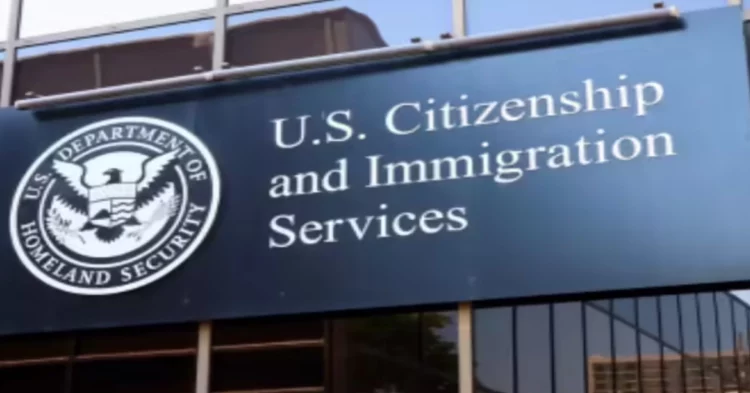
US Citizenship and Immigration Services spokesman Zach Kahler publicly defended the move, stating that temporary visitors should not assume their presence in the country guarantees future permanent residency opportunities.
According to administration officials, requiring applicants to leave the US during the green card process could help immigration authorities better monitor who is legally eligible to return. Supporters of the rule also argue that the system has become overloaded and that shifting applications overseas may allow immigration officers inside the United States to focus on other cases, including citizenship applications and humanitarian visas.
Some conservative immigration analysts have praised the proposal as a necessary correction to what they view as loopholes in the existing system. They argue that stricter rules may reduce fraudulent applications and ensure that temporary visas are used for their original purpose rather than as indirect routes to permanent settlement.
The administration has also linked the decision to broader immigration priorities focused on border security and tighter visa enforcement. Trump officials have repeatedly emphasized the need for stronger oversight of legal immigration channels alongside efforts to control illegal border crossings.
Critics Warn Policy Could Separate Families for Months or Years
While supporters describe the change as an administrative improvement, immigration advocates and humanitarian organizations have responded with strong criticism. Many fear the policy could create severe emotional and financial hardship for immigrants and their families.
One of the biggest concerns involves family separation. Under the current adjustment-of-status system, spouses and children can often remain together in the United States while applications are processed. If applicants are forced to leave the country, families may face months or even years apart depending on embassy backlogs, travel restrictions, and visa approvals.
Humanitarian organizations say such disruptions could have devastating consequences for children and married couples. Critics argue that immigrants who are already legally living, studying, and working in the United States should not suddenly be forced into uncertain situations abroad.
Christian humanitarian organization World Relief condemned the proposal, describing it as unnecessarily harsh and harmful to family unity. The group warned that some applicants may become stranded outside the United States if administrative delays or political restrictions prevent their timely return.
World Relief president Myal Greene questioned the justification for implementing such a strict measure, arguing that there is little evidence showing the policy would meaningfully improve the immigration system.
Advocates also point out that many immigrants affected by the rule have spent years building careers, attending universities, paying taxes, and contributing to American communities. Forcing them to leave during the application process could jeopardize employment, education, and long-term financial stability.
Immigration Experts Say Processing Delays Could Become a Major Problem
Former immigration officials and policy analysts have raised concerns about the practical challenges involved in requiring applicants to process green cards overseas.
Doug Rand, a former official with US Citizenship and Immigration Services, noted that approximately one million people apply for green cards every year, with nearly half typically applying from within the United States. He warned that moving such a large volume of applications to consulates abroad could overwhelm the system and create major delays.
American embassies and consulates in several countries already struggle with extensive visa backlogs. In some regions, applicants wait months for interview appointments due to staffing shortages and high demand. Critics fear the new policy could significantly increase those delays and create bottlenecks around the world.
Another major concern involves applicants from countries facing travel restrictions or heightened security screening. Immigration experts say some individuals who leave the United States may encounter unexpected obstacles when trying to return, even if they were previously living legally in America.
For example, administrative processing delays, security checks, or changing diplomatic policies could leave applicants stranded abroad for long periods. This uncertainty has alarmed many immigrant families who rely on stable legal status to maintain jobs, homes, and education plans.
Business leaders have also expressed concern about the economic consequences. Many industries in the United States depend heavily on skilled foreign workers, particularly in technology, healthcare, engineering, and scientific research. Employers worry that forcing workers to leave the country during the green card process could disrupt operations and increase labor shortages.
International Students and Skilled Workers Could Be Among the Hardest Hit
Among the groups most likely to feel the impact of the policy are international students and highly skilled workers who come to the United States through educational and employment visa programs.
Every year, thousands of international graduates transition from student visas to employment sponsorship opportunities. Many eventually apply for permanent residency after securing jobs with American companies. Under the proposed system, those individuals may now be required to leave the country before obtaining green cards.
Technology companies, universities, and healthcare institutions have historically relied on international talent to fill critical positions. Critics argue that making the immigration process more uncertain could discourage highly educated professionals from choosing the United States as a destination for study or work.
Some immigration attorneys say the policy may also create anxiety among workers already employed in the US under temporary visa programs. Even individuals with stable employment and approved sponsorship petitions could face difficult decisions about whether to risk leaving the country during processing.
The uncertainty may particularly affect immigrants from countries with long visa wait times. In certain cases, applicants already wait years for green card eligibility because of annual immigration quotas. Additional overseas processing requirements could further complicate those timelines.
Legal Challenges and Political Battles May Follow the Announcement
Given the scale and impact of the proposed changes, legal experts believe the policy could face immediate court challenges. Immigration advocacy groups are already exploring whether the administration has the authority to impose such broad restrictions without congressional approval.
Past immigration actions associated with the Trump administration frequently resulted in lengthy legal battles, including disputes over travel bans, asylum policies, and deportation procedures. Observers expect similar litigation if the green card rule moves forward.
Congressional debate is also likely to intensify. Democratic lawmakers and immigrant rights advocates have criticized the policy as overly punitive and disruptive to lawful immigration pathways. Republican supporters, meanwhile, argue that stricter immigration controls are necessary to protect the integrity of the system.
The issue may become especially significant during future election campaigns, as immigration remains one of the most polarizing political topics in the United States. Public opinion on immigration policy often reflects deep divisions over border security, labor markets, national identity, and humanitarian responsibilities.
Some analysts believe the controversy surrounding the green card changes could influence broader discussions about comprehensive immigration reform. Lawmakers from both parties have long debated how to modernize the immigration system, but major reform efforts have repeatedly stalled in Congress.
Families Fear Uncertainty as Immigration Debate Intensifies
For many immigrants already living in the United States, the policy announcement has created fear and uncertainty about the future. Families who were preparing for permanent residency applications are now questioning whether they may be forced to leave behind jobs, schools, and loved ones during the process.
Immigration attorneys report receiving increasing numbers of calls from concerned clients seeking clarification about how the rules might apply to their specific situations. Because implementation details remain limited, many people are unsure whether they will be affected or how quickly the changes could take effect.
Community organizations are encouraging immigrants to stay informed and seek legal guidance before making major decisions regarding travel or immigration paperwork. Experts warn that leaving the United States without proper legal preparation could create unexpected complications for some applicants.
At the same time, supporters of stricter immigration enforcement argue that temporary visas were never intended to guarantee permanent residency. They believe the government has the right to ensure applicants complete the process from outside the country if necessary.
The debate reflects a larger national struggle over how America should balance immigration enforcement with humanitarian and economic concerns. While some view stricter policies as essential for maintaining lawful immigration systems, others see them as measures that unfairly target immigrants who are already contributing to American society.
The Future of the Green Card System Remains Uncertain
As political and legal battles continue, the long-term future of the policy remains unclear. Courts, Congress, or future administrations could potentially alter or reverse the rule depending on public reaction and legal outcomes.
What is certain is that the proposal has reignited intense debate over immigration in the United States. For supporters, the measure represents a stronger approach to enforcing visa laws and reducing overstays. For opponents, it symbolizes a harsh and disruptive policy that could hurt families, workers, and students who are following legal immigration pathways.