Stick to the Facts
Add Nbsla.ca as a Preferred Source on Google to see more of our stories in your search results.

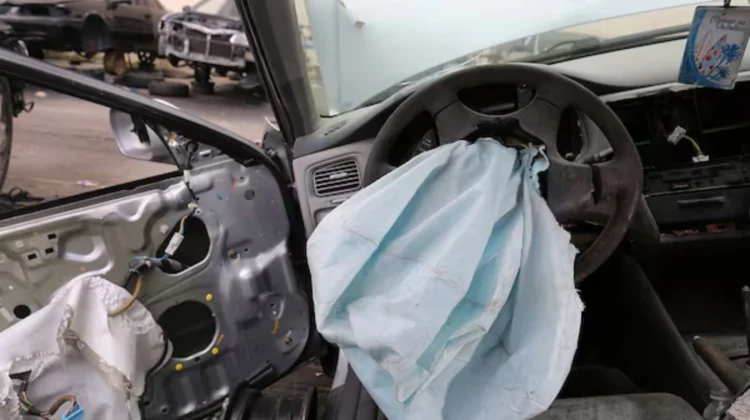
A significant vehicle safety recall has been issued in Canada, affecting thousands of drivers who may unknowingly be at risk on the road. More than 5,400 sport utility vehicles have been flagged due to a potentially serious defect involving their airbag systems. The recall, announced by Transport Canada, highlights concerns that critical safety components may not function as intended during a collision.
At the heart of the issue are improperly manufactured side-impact sensors, which play a crucial role in detecting collisions and triggering airbags. When these sensors fail to operate correctly, the consequences can be severe, particularly in high-impact crashes where airbags are essential for reducing injury.
Which Vehicles Are Affected
The recall specifically targets the 2026 Hyundai Tucson, a popular compact SUV known for its modern design and hybrid technology offerings. Both hybrid and plug-in hybrid variants are included in the recall, expanding the scope of the issue to environmentally conscious drivers who opted for these models.
In total, 5,439 vehicles across Canada are affected. While this number may seem relatively small compared to nationwide vehicle totals, the safety implications are significant for each owner.
Understanding the Airbag System Defect
How Side-Impact Sensors Work
Side-impact sensors are designed to detect sudden forces from a collision, especially from the side of the vehicle. Once triggered, these sensors send signals to deploy the airbags within milliseconds, helping protect occupants from injury.
In the recalled vehicles, these sensors may not have been manufactured to proper standards. This defect means they could fail to accurately detect a crash or send the necessary signal to deploy the airbags.
Potential Consequences During a Crash
If the sensors malfunction, the driver-front and passenger-front airbags may not deploy as expected. This creates a dangerous situation where occupants are left without one of the most important protective features in modern vehicles.
Airbags are engineered to reduce the impact force on passengers during a collision. Without them functioning properly, the likelihood of serious injury increases significantly.
Official Statement from Transport Canada
Transport Canada issued a clear warning regarding the defect, emphasizing the potential danger:
On certain vehicles, the side-impact sensors may not have been manufactured properly. As a result, the driver-front and passenger-front airbags may not work properly in a crash.
Officials further noted that airbags that fail to deploy correctly could increase the risk of injury, reinforcing the urgency of addressing the issue promptly.
Hyundai’s Response to the Recall
Notification Process for Owners
Hyundai has committed to informing affected vehicle owners directly. Notifications will be sent via mail, ensuring that drivers are made aware of the issue and understand the steps they need to take.
Owners are encouraged to watch for official communication and act promptly once they receive it.
Inspection and Repair Plan
Drivers will be instructed to bring their vehicles to an authorized Hyundai dealership for inspection. During this process, technicians will assess the condition of the side-impact sensors.
If a defect is identified, the sensors will be replaced at no cost to the owner. This standard recall procedure ensures that safety issues are corrected without financial burden on consumers.
Why Airbag Reliability Is Critical
The Role of Airbags in Vehicle Safety
Airbags are one of the most important advancements in automotive safety. Working alongside seatbelts, they reduce the severity of injuries during accidents by cushioning occupants and preventing direct impact with hard surfaces inside the vehicle.
When airbags fail, the protective system is compromised, leaving passengers far more vulnerable.
Real-World Implications of Airbag Failure
In real-world crash scenarios, milliseconds matter. A properly functioning airbag system can mean the difference between minor injuries and life-threatening trauma.
Defects like the one identified in this recall highlight the importance of rigorous manufacturing standards and ongoing quality control in the automotive industry.
Broader Context: Increasing Number of Vehicle Recalls
A Growing Trend in Automotive Safety Actions
Vehicle recalls have become more common in recent years as manufacturers and regulators adopt stricter safety standards and improved monitoring systems. While recalls can be alarming, they also reflect a proactive approach to identifying and correcting issues before they result in widespread harm.
Other Recent Safety Concerns
This recall comes amid other recent safety alerts in Canada, including concerns about fuel leaks and fire risks affecting tens of thousands of vehicles. Together, these incidents underscore the complexity of modern vehicle systems and the importance of continuous oversight.
What Affected Drivers Should Do Now
Immediate Steps to Take
If you own a 2026 Hyundai Tucson, particularly a hybrid or plug-in hybrid model, it is essential to determine whether your vehicle is part of the recall. While official notification will be sent, proactive steps can help ensure your safety sooner.
You can contact a Hyundai dealership or check your vehicle identification number through official recall databases to confirm your status.
Do Not Delay Repairs
Even if your vehicle appears to be functioning normally, the defect may not be noticeable until a crash occurs. This makes it especially important to have your vehicle inspected as soon as possible.
Delaying repairs could increase your risk in the event of an accident.
How Recalls Protect Consumers
The Role of Government Agencies
Transport Canada plays a vital role in monitoring vehicle safety and ensuring manufacturers take responsibility for defects. By issuing recalls and informing the public, the agency helps prevent injuries and save lives.
Manufacturer Accountability
Automakers like Hyundai are required to address safety defects promptly and transparently. This includes notifying customers, providing free repairs, and working with regulators to resolve issues effectively.
Final Thoughts: Safety First for Every Driver
This recall serves as an important reminder that even the most advanced vehicles can encounter safety issues. While modern SUVs like the Hyundai Tucson offer cutting-edge features and efficiency, their complexity also means that defects can arise.
For affected drivers, the key takeaway is simple: act quickly, follow official guidance, and prioritize safety above all else. Ensuring that your vehicle’s airbag system functions properly could make a critical difference when it matters most.