Stick to the Facts
Add Nbsla.ca as a Preferred Source on Google to see more of our stories in your search results.

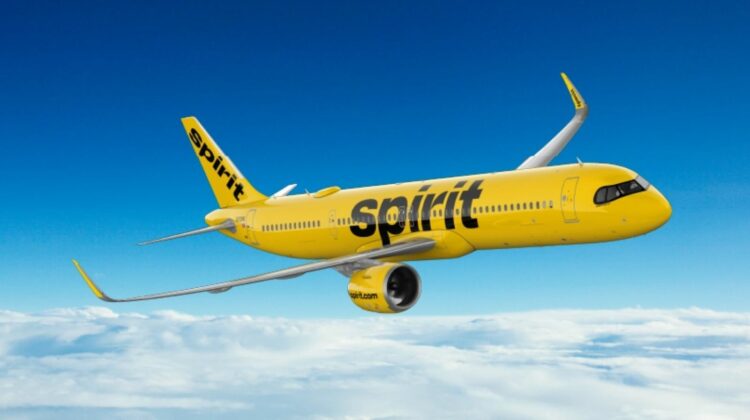
The abrupt shutdown of Spirit Airlines has sent shockwaves across the aviation industry, leaving passengers stranded, employees jobless, and raising serious questions about the future of low-cost carriers in the United States. For travelers and industry watchers alike, one question stands out: why did Spirit Airlines shut down so suddenly, and what led to this dramatic collapse?
Why Did Spirit Airlines Shut Down? The Core Reasons Behind the Collapse
The answer to why did Spirit Airlines shut down lies in a combination of financial strain, rising operational costs, and failed rescue efforts.
Spirit had been struggling for years to stabilize its finances, particularly after the pandemic disrupted global travel. Despite attempts to restructure and recover, the airline faced mounting pressure from:
- Soaring jet fuel prices, worsened by geopolitical tensions including the conflict involving Iran
- Weak demand for budget travel, especially as consumers shifted toward more reliable carriers
- Heavy debt obligations following multiple bankruptcy filings
- Lack of fresh funding, which ultimately sealed its fate
The company confirmed it had no access to the hundreds of millions of dollars required to continue operations. Without new liquidity, management made the decision to initiate an “orderly wind-down,” effectively ending all flights immediately.
A Second Bankruptcy That Led Nowhere
Another critical factor in understanding why did Spirit Airlines shut down is its repeated bankruptcy filings. The airline had already entered bankruptcy twice within a short span.
A restructuring plan approved in early 2025 initially offered hope. However, ongoing financial instability, rising costs, and declining passenger numbers pushed the airline back into crisis just months later.
Efforts to merge with competitors like JetBlue and Frontier Airlines failed to materialize. Regulatory hurdles and legal challenges blocked these deals, removing what could have been a lifeline.
Government Bailout Talks Collapse
As the crisis deepened, Spirit approached the U.S. government for financial assistance. There were early signs that support might be possible, but negotiations ultimately broke down.
Transportation Secretary Sean Duffy made it clear that any bailout needed to make financial sense. Disagreements with creditors and the absence of a workable deal led to the collapse of talks.
This failed bailout effort is another key reason why did Spirit Airlines shut down, as the airline ran out of options to stay afloat.
Immediate Impact on Travelers
The shutdown has caused chaos for passengers across the country. Thousands of flights were canceled instantly, leaving travelers scrambling for alternatives.
Many customers only learned about the closure hours before departure. Airports saw empty check-in counters, with little support available for affected passengers.
Although refunds are being processed:
- Only tickets booked directly with the airline are automatically refunded
- Additional costs like hotels or rebooking are generally not covered
- Travelers are being advised to seek chargebacks through credit card providers
Other airlines, including Delta Air Lines, United Airlines, and Southwest Airlines, have stepped in to offer capped fares and limited rebooking options.
Thousands of Jobs Lost Overnight
Beyond passengers, the shutdown has devastated Spirit’s workforce. Around 17,000 employees—including pilots, flight attendants, and ground staff—have been impacted.
Unions representing aviation workers are now urging both the company and government to ensure fair compensation and benefits for those suddenly out of work.
The Rise and Fall of a Budget Airline Giant
To fully understand why did Spirit Airlines shut down, it’s important to look at its business model.
Spirit built its brand on ultra-low fares, charging extra for everything from seat selection to carry-on bags. This “bare fare” approach once made it one of the most profitable airlines in the U.S.
At its peak:
- The airline expanded rapidly, adding dozens of routes
- It reached a valuation of nearly $6 billion
- It ranked among the most profitable carriers in its category
However, the same model became a weakness when costs rose and customer expectations shifted. Travelers increasingly prioritized reliability and comfort over the lowest possible price.
What Happens Next for the Industry?
The shutdown of Spirit is expected to reshape the airline industry. With one of the largest low-cost carriers gone, major airlines may gain greater control over pricing and routes.
Experts warn this could lead to:
- Higher ticket prices over time
- Reduced competition in budget travel
- Fewer options for price-sensitive passengers
At the same time, other airlines are already moving to fill the gap by expanding routes and hiring displaced workers.
So, why did Spirit Airlines shut down? It wasn’t a single event but a chain reaction of financial troubles, rising costs, failed mergers, and lack of funding.
The collapse highlights how fragile the ultra-low-cost airline model can be in a volatile economic environment. For passengers, it’s a reminder to consider backup plans when booking budget travel. For the industry, it marks the end of a major player that once redefined cheap flying in America.