Stick to the Facts
Add Nbsla.ca as a Preferred Source on Google to see more of our stories in your search results.

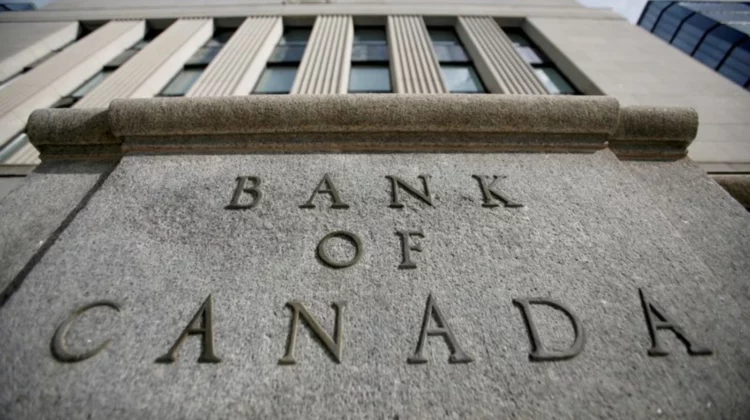
Canadians are once again turning their attention to the upcoming interest rate decision from the Bank of Canada, scheduled for late April. With inflation ticking upward and geopolitical tensions intensifying, this announcement carries added weight for households, businesses, and investors alike.
The central bank last held its benchmark rate steady at 2.25 percent in March 2026, continuing a pause that has been in place since October 2025. However, shifting global dynamics, particularly the ongoing conflict involving the United States and Iran, have introduced fresh uncertainty into the economic outlook. As a result, the April 29 decision is shaping up to be one of the most closely watched monetary policy updates this year.
The Global Backdrop Driving Economic Uncertainty
Rising Tensions and Their Economic Ripple Effects
The geopolitical situation in the Middle East has become a major factor influencing global markets. The conflict has disrupted energy supply chains and driven up prices for oil and natural gas. These increases are not just isolated to fuel costs; they ripple across transportation, manufacturing, and consumer goods.
One of the most critical chokepoints is the Strait of Hormuz, a narrow passage through which a significant portion of the world’s oil supply flows. Any disruption in this region can create bottlenecks that affect global trade, pushing up costs for a wide range of commodities.
The Bank of Canada has acknowledged that the duration and severity of the conflict remain uncertain. This unpredictability complicates policymaking, as the central bank must balance inflation risks with the need to support economic growth.
Energy Prices and Inflation Pressures
Recent data from Statistics Canada highlights the immediate impact of rising energy costs. Canada’s inflation rate climbed to 2.4 percent year over year in March, up from 1.8 percent in February.
Gasoline prices were a key driver of this increase, reflecting the global surge in energy costs linked to the conflict. When energy prices rise, they tend to push up the cost of living more broadly, affecting everything from groceries to transportation.
However, economists point out an important nuance. If energy prices are excluded, underlying inflation appears more subdued. This distinction is crucial for policymakers trying to determine whether inflationary pressures are temporary or more deeply rooted.
Will the Bank of Canada Change Interest Rates in April?
Why a Rate Hold Is the Most Likely Outcome
Many experts believe the Bank of Canada will maintain its current rate at the April meeting. The reasoning is straightforward: while inflation has increased, much of the rise is tied to volatile energy prices rather than sustained economic overheating.
Mortgage analysts and financial experts suggest that cutting rates now could be risky. Lowering borrowing costs might stimulate the economy in the short term, but it could also fuel inflation if price pressures persist or worsen.
At the same time, raising rates could further strain an economy that is already showing signs of कमजोरी, particularly in the labour market and overall growth.
A Central Bank in Wait-and-See Mode
The current stance of the Bank of Canada can best be described as cautious observation. Policymakers are closely monitoring several key indicators, including inflation trends, employment data, and global developments.
This “wait-and-see” approach reflects the complexity of the current environment. On one hand, the economy may need support if growth continues to slow. On the other, inflation risks could intensify if energy prices remain elevated or climb further.
The Risk of Stagflation in Canada
What Is Stagflation and Why It Matters
One of the more concerning scenarios being discussed by economists is stagflation, a condition characterized by slow economic growth, rising unemployment, and persistent inflation.
Stagflation presents a particularly difficult challenge for central banks because the usual tools do not work as effectively. Lowering interest rates can boost growth but may worsen inflation, while raising rates can control inflation but further weaken the economy.
Signs That Raise Concern
Recent data suggests that Canada could be edging toward such a scenario. Economic growth has been slowing, and there are indications that the job market is losing momentum.
At the same time, inflation is being pushed higher by external factors like energy prices. This combination creates a difficult balancing act for policymakers, who must decide whether to prioritize inflation control or economic support.
Could Interest Rates Rise Instead of Fall?
The Case for Potential Rate Hikes
While many expect a rate hold, the possibility of future rate increases cannot be ruled out. If the Middle East conflict drags on and continues to drive up energy prices, inflation could become more entrenched.
Some analysts estimate that prolonged geopolitical instability could push headline inflation significantly higher, with core inflation also rising. In such a scenario, the Bank of Canada may feel compelled to act more aggressively.
Why Rate Cuts Are Less Likely in the Near Term
Interest rate cuts typically occur when the economy needs stimulation, such as during a recession or a sharp slowdown. However, with inflation still above target and subject to upward pressure, cutting rates now could undermine the central bank’s credibility and long-term goals.
Additionally, monetary policy has limited effectiveness in addressing supply-side shocks like geopolitical conflicts or trade disruptions. This limitation further reduces the likelihood of rate cuts as a response to current challenges.
The Limits of Monetary Policy in a Complex World
Why Central Banks Cannot Solve Everything
The current situation underscores an important reality: central banks like the Bank of Canada have powerful tools, but those tools are not万能. Interest rates can influence borrowing, spending, and investment, but they cannot directly resolve geopolitical conflicts or restore disrupted supply chains.
As a result, policymakers must often respond indirectly, trying to mitigate the economic fallout rather than addressing the root causes.
Navigating Trade and Geopolitical Challenges
Trade tensions and geopolitical instability add layers of complexity to economic decision-making. These factors can affect currency values, investment flows, and consumer confidence, all of which influence the broader economy.
In such an environment, central banks must remain flexible and responsive, adjusting their strategies as new information becomes available.
What This Means for Canadians
Impact on Borrowers and Homeowners
For Canadians with mortgages or other loans, a rate hold would mean continued stability in borrowing costs, at least in the short term. However, the uncertainty surrounding future decisions suggests that rates could move in either direction later in the year.
Homebuyers may remain cautious, as higher rates generally reduce affordability. At the same time, stable rates could provide some राहत to those already managing variable-rate mortgages.
Implications for Savings and Investments
Interest rates also affect savings accounts, fixed-income investments, and overall market conditions. A prolonged period of stable rates may lead to modest returns for savers, while ongoing uncertainty could create volatility in financial markets.
Investors will likely continue to watch global developments closely, particularly those affecting energy prices and inflation.
Looking Ahead to the April 29 Announcement
The Most Probable Scenario
Based on current data and expert analysis, the most likely outcome of the April 29 meeting is that the Bank of Canada will hold its policy rate at 2.25 percent. This decision would reflect a cautious approach in the face of mixed economic signals and significant global uncertainty.
What Could Change the Outlook
Several factors could alter this expectation in the coming months. A sharp escalation or de-escalation in the Middle East conflict, unexpected shifts in inflation, or significant changes in employment data could all influence future decisions.
For now, the central bank appears committed to monitoring developments closely before taking decisive action.
Final Thoughts on Canada’s Interest Rate Path in 2026
The upcoming Bank of Canada announcement is more than just a routine update; it is a reflection of the complex and interconnected forces shaping the global economy. From geopolitical tensions to domestic economic trends, a wide range of factors are influencing the path of interest rates.
While a rate hold seems likely in April, the broader outlook remains uncertain. Canadians should be prepared for a range of possibilities as the year unfolds, including the potential for both rate hikes and continued stability.