Stick to the Facts
Add Nbsla.ca as a Preferred Source on Google to see more of our stories in your search results.

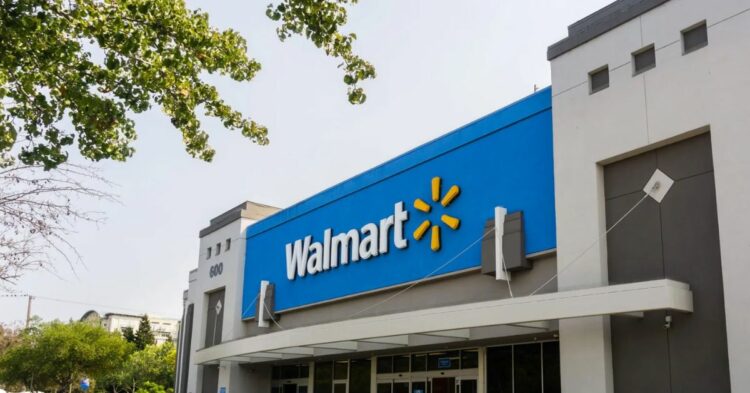
A major Walmart minimum wage update is coming this summer, and thousands of workers across Southern California could soon see higher paychecks as new local wage laws officially take effect on July 1, 2026. The new $18 minimum policy is forcing Walmart and other major retailers to review employee wages city by city as California’s patchwork of local minimum wage rules continues to expand.
The Walmart minimum wage increase 2026 changes are not limited to one city. Several Southern California areas including Los Angeles, Pasadena, Santa Monica, Malibu, West Hollywood, and unincorporated Los Angeles County are raising minimum pay rates, with some workers set to earn well above $18 an hour.
For large employers like Walmart, the new minimum wage policy means payroll systems, scheduling practices, and compliance procedures must all be carefully reviewed before the July 1 deadline arrives.
Walmart and Other Retailers Face July 1 Wage Deadline
The July 1 minimum wage increase is creating new pressure for businesses operating across Southern California. Employers can no longer rely solely on California’s statewide minimum wage because many cities now enforce their own local wage rules.
That means a worker employed at one Walmart location could legally earn a different hourly wage than another Walmart employee working only a few miles away.
Retailers, grocery chains, restaurants, hotels, and healthcare employers are all being told to verify exactly where employees work to ensure the correct wage is being paid under local law.
The upcoming Walmart minimum wage increase 2026 rules especially affect businesses with multiple locations throughout Southern California.
Walmart officially Ban Self Checkout: New Law Could Ban Certain Purchases and Limit How You Shop
Los Angeles Minimum Wage Rising to $18.42
Workers inside the City of Los Angeles will soon earn at least $18.42 per hour beginning July 1, 2026.
The increase raises the current local wage from $17.87 an hour and represents another step in California’s aggressive push toward higher regional wage floors.
For employers like Walmart, Target, Costco, supermarkets, restaurants, and hospitality businesses, the increase could significantly raise labor costs throughout the second half of 2026.
Los Angeles County Unincorporated Areas Moving to $18.47
The minimum wage in unincorporated areas of Los Angeles County will increase from $17.81 to $18.47 an hour.
This new $18 minimum policy applies only to workers in areas governed directly by Los Angeles County and not incorporated cities.
Employers operating warehouses, retail stores, delivery hubs, and service businesses in these regions must update payroll rates before July 1.
The Los Angeles County wage increase is one of the largest scheduled local wage hikes in Southern California for 2026.
Pasadena Minimum Wage Among Highest in Region
Pasadena workers are set to receive one of the highest local minimum wages in Southern California.
Beginning July 1, Pasadena’s minimum wage will increase from $18.04 to $18.57 an hour.
The Pasadena minimum wage increase reflects the city’s ongoing efforts to match rising living costs, housing expenses, and inflation pressures impacting workers throughout the area.
Large retailers including Walmart and other national chains operating in Pasadena will need to ensure full compliance with the updated wage rules.
Santa Monica Wage Increase Also Approved
Santa Monica’s minimum wage will rise to $18.47 an hour beginning July 1.
The city’s wage floor is aligned with unincorporated Los Angeles County, helping maintain consistency for workers and employers across neighboring regions.
The Santa Monica minimum wage increase affects retail workers, hospitality employees, restaurant staff, and many other hourly workers.
Businesses that fail to update wages properly could face penalties, employee complaints, or legal action under California labor laws.
West Hollywood Continues Leading with Higher Pay
West Hollywood already has one of the highest local minimum wages in California.
For non-hotel employees, the minimum wage remains at $20.25 an hour following an earlier January 1, 2026 increase.
Hotel workers in West Hollywood will receive another raise this summer, with minimum pay increasing from $20.22 to $20.87 an hour.
The West Hollywood minimum wage continues to stand far above California’s statewide minimum pay requirement.
Industry-specific wage rules like these are creating additional compliance challenges for employers with hospitality and tourism workers.
Malibu Minimum Wage Also Increasing
Workers in Malibu will also receive a pay increase beginning July 1.
The Malibu minimum wage will rise from $17.27 to $17.91 an hour for the 2025-2026 wage year.
Although Malibu’s wage floor remains lower than Los Angeles or Pasadena, the increase still adds additional payroll costs for businesses operating in the coastal city.
Retail stores, restaurants, hotels, and service employers throughout Malibu must prepare for the updated wage requirements.
San Diego Already Raised Minimum Wage
While many Southern California cities are implementing July 1 changes, San Diego’s minimum wage is already set at $17.75 an hour.
San Diego employers have already adjusted payroll systems to meet the city’s current local wage standards.
The broader trend shows California cities continuing to move beyond statewide wage requirements by implementing their own higher local minimum wages.
Why the Walmart Minimum Wage Increase 2026 Matters
The Walmart minimum wage increase 2026 changes matter because Walmart is one of the largest private employers in the United States.
When local minimum wage laws increase, the financial impact can affect thousands of employees across multiple store locations.
The changes may also influence scheduling practices, hiring decisions, overtime management, and pricing strategies for retailers.
Higher wages can help workers struggling with inflation and rising housing costs, but businesses argue the increases also place added pressure on operating expenses during an uncertain economic environment.
The July 1 minimum wage changes arrive at a time when many employers are already dealing with slower hiring, economic concerns, and shifting consumer spending patterns.
Employers Must Track Worker Locations Carefully
One major issue for employers is determining exactly where employees perform their work.
Under California local wage laws, pay requirements are generally tied to the employee’s work location rather than the company headquarters.
That means businesses with mobile workers, shared locations, warehouses, or regional operations may need to track employee assignments more carefully than before.
For Walmart and other major employers, accurate wage tracking will be critical to avoiding violations.
New Compliance Pressure Under PAGA Reform
The July 1 wage increases also come alongside growing compliance pressure under California’s updated Private Attorneys General Act reforms.
Under the 2024 PAGA reform changes, employers that can demonstrate they took “reasonable steps” toward labor law compliance may be able to reduce certain penalties.
As a result, many companies are now reviewing payroll systems, employee records, workplace notices, and wage calculations ahead of the July deadline.
Businesses that fail to comply with local minimum wage laws could face lawsuits, penalties, and expensive legal disputes.
California’s Patchwork Wage System Keeps Expanding
The Walmart minimum wage increase 2026 story highlights a larger trend happening across California.
Instead of one statewide minimum wage, employers increasingly face a complicated network of city-specific and industry-specific wage rules.
Some cities now require wages above $20 an hour for certain hotel and hospitality workers, while nearby areas may still operate below $18 an hour.
This patchwork system has made compliance significantly more complicated for large employers with multiple locations.
What Workers Should Expect Starting July 1
Workers in affected Southern California cities should begin seeing updated pay rates reflected in their paychecks shortly after July 1, 2026.
Employees who believe they are being paid incorrectly may be able to file complaints with local labor enforcement agencies or California labor authorities.
Workers are also encouraged to review official city wage notices and verify whether their workplace falls under a local minimum wage ordinance.
For many hourly workers, the new minimum wage increases could provide modest financial relief amid ongoing inflation and rising living expenses.
The new $18 minimum policy taking effect July 1 is becoming one of the most significant local wage updates of 2026 for Southern California employers.
From Los Angeles and Pasadena to Santa Monica and Malibu, businesses including Walmart must now navigate a growing maze of local wage requirements.
As California cities continue pushing wages higher, both workers and employers will be watching closely to see how the latest Walmart minimum wage increase 2026 changes affect jobs, prices, and business operations during the rest of the year.