Stick to the Facts
Add Nbsla.ca as a Preferred Source on Google to see more of our stories in your search results.

The aviation industry is entering a major transition period as United Airlines upgrades and American Airlines fleet changes reshape air travel across smaller US cities. For decades, regional jets like the Bombardier CRJ and Embraer aircraft dominated service to secondary airports. But now, travelers are increasingly seeing larger Airbus aircraft replacing those smaller regional planes.
The latest trend involving United Airlines upgrades, Airbus A319 deployments, and American Airlines fleet expansion is changing the passenger experience in airports that once rarely saw mainline aircraft. From Wisconsin to Arizona, airlines are introducing larger cabins, more premium seating, and better onboard comfort as they swap regional jets with Airbus A319s on smaller city routes.
Industry experts say the shift reflects stronger passenger demand, changing economics, pilot shortages, and airline efforts to modernize domestic operations. The rise of United Airlines upgrades on regional routes could completely reshape the future of small-city air travel in America.
United Airlines Upgrades Continue Across Smaller Airports
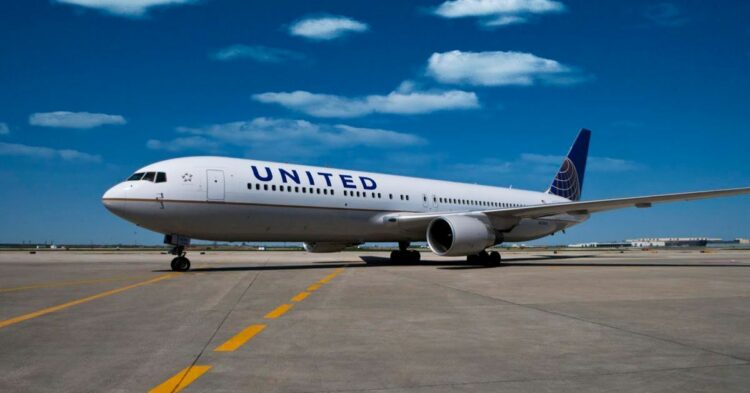
One of the biggest aviation stories this year has been the expansion of United Airlines upgrades into markets traditionally served by regional affiliates. United Airlines has increasingly introduced Airbus A319 aircraft on routes that previously relied on CRJ regional jets.
At airports like Appleton International Airport, passengers recently spotted Airbus A319 aircraft operating flights that historically used smaller regional jets. Aviation enthusiasts quickly noticed the changes because seeing mainline Airbus aircraft at smaller airports was once relatively rare.
These United Airlines upgrades are not just about appearance. The Airbus A319 offers significant improvements over regional aircraft:
- Wider cabins
- Larger overhead bins
- More first-class seating
- Better legroom
- Improved onboard amenities
- Increased passenger capacity
Travelers flying from smaller cities now experience a level of comfort previously available mostly at larger metropolitan airports.
For United Airlines, these upgrades allow the airline to move more passengers while reducing dependence on regional carriers facing staffing challenges.
American Airlines Brings Airbus A319 Service to Flagstaff
Another major milestone came when American Airlines introduced Airbus A319 operations at Flagstaff Pulliam Airport.
The airport recently received its first-ever scheduled Airbus A319 service, replacing smaller CRJ regional jets operating between Flagstaff and Dallas/Fort Worth International Airport.
The development marked a historic moment for the Arizona airport because Flagstaff sits roughly 7,000 feet above sea level. High-altitude airports create unique operational challenges due to thinner air and warmer temperatures affecting aircraft performance.
Regional jets have long dominated the airport partly because of those operational conditions. However, the Airbus A319 has now proven capable of serving the route while dramatically increasing available seating capacity.
Airport officials described the arrival of mainline Airbus service as a major achievement and a sign of long-term airline confidence in the region.
According to airport director Brian Gall:
“This Airbus A319 is going to be our first mainline aircraft, meaning the first aircraft that is actually owned and operated by American Airlines.”
The move highlights how both American Airlines and United Airlines upgrades are expanding beyond major hubs and reaching smaller regional communities.
Why Airlines Are Replacing Regional Jets
The rapid growth of United Airlines upgrades and Airbus A319 deployments is being driven by several major industry factors.
Pilot Shortages Continue to Hurt Regional Airlines
One of the biggest reasons airlines are replacing regional jets is the ongoing pilot shortage affecting regional carriers.
Since the pandemic recovery, major airlines have aggressively hired experienced pilots from regional airlines. As a result, many regional operators now struggle to maintain enough staffing for smaller aircraft fleets.
By using larger Airbus A319 aircraft instead of multiple regional jets, airlines can transport more passengers with fewer flights and fewer crews.
This strategy helps carriers:
- Reduce operational complexity
- Lower dependence on regional affiliates
- Improve scheduling efficiency
- Maximize available pilots
- Increase profitability
The expansion of United Airlines upgrades on smaller routes is directly tied to this broader staffing challenge.
Airbus A319 Aircraft Deliver Better Economics
Although Airbus A319 aircraft cost more overall to operate compared with regional jets, they often generate better economics on high-demand routes.
The key advantage comes from lower per-seat operating costs.
When airlines fill more seats on a larger aircraft, they spread expenses across more passengers. This improves profitability, especially on routes where regional jets frequently sell out.
Mainline Airbus aircraft also allow airlines to generate additional premium revenue through:
- First-class seating
- Extra-legroom cabins
- Premium economy options
- Enhanced onboard services
For airlines like United Airlines and American Airlines, the economics increasingly favor larger aircraft on many regional routes.
Passengers Welcome United Airlines Upgrades
Most travelers appear to strongly support the ongoing United Airlines upgrades and fleet modernization efforts.
Regional jets have long received criticism from passengers due to:
- Tight seating
- Small overhead storage
- Limited legroom
- Narrow cabins
- Minimal premium seating
The Airbus A319 provides a dramatically different experience.
Passengers flying from smaller airports now often receive the same aircraft type and onboard experience available on flights from major cities like Chicago, Dallas, or Denver.
At airports such as Appleton International Airport, travelers are increasingly enjoying mainline comfort without needing to first connect through a larger regional hub.
The popularity of these United Airlines upgrades may encourage airlines to continue expanding Airbus operations into additional secondary airports across the United States.
Small Airports Are Seeing Big Changes
The rise of Airbus A319 operations at smaller airports represents a broader transformation happening throughout the aviation industry.
For years, regional jets defined small-city air travel. But now, airlines are rethinking how they serve these markets.
Many secondary airports are experiencing stronger leisure demand, growing business travel, and improved passenger numbers since the pandemic recovery.
That demand makes larger aircraft increasingly viable.
As airlines continue restructuring domestic networks, more communities may soon see:
- Airbus A319 service
- Boeing 737 operations
- Expanded premium cabins
- Reduced regional jet dependence
- Increased mainline aircraft visibility
The current wave of United Airlines upgrades could therefore mark the beginning of a long-term shift in how America’s smaller airports connect to major airline hubs.
United Airlines Upgrades Signal a New Era for Regional Air Travel
The expansion of Airbus A319 operations by United Airlines and American Airlines is becoming one of the most important fleet trends in US aviation.
What once seemed impossible for many smaller airports is now becoming increasingly common. Travelers in regional communities are gaining access to larger aircraft, improved comfort, and a more premium flying experience.
For airlines, the strategy offers operational efficiency, stronger economics, and reduced reliance on struggling regional carriers.
For passengers, the benefits are immediate every time they board.
As more airlines continue investing in United Airlines upgrades, Airbus A319 deployments, and mainline service expansion, the future of small-city air travel in America may look very different from the regional jet era that dominated for decades.