Stick to the Facts
Add Nbsla.ca as a Preferred Source on Google to see more of our stories in your search results.

United Airlines is reportedly evaluating a new Economy Class seating concept that could significantly change the passenger experience on some of its most important domestic routes. The airline is said to be studying a configuration that would permanently block selected middle seats in Economy Class, creating additional personal space for travelers while potentially delivering operational benefits for the carrier.
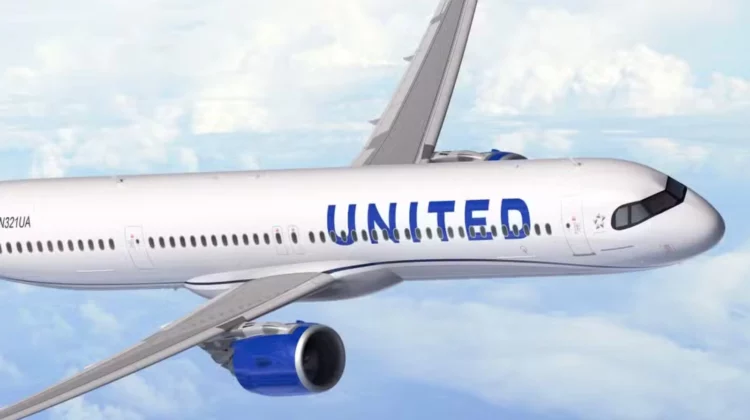
Although the airline has not officially confirmed the proposal, industry reports suggest the concept is being considered for United’s upcoming Airbus A321neo Coastliner fleet. These aircraft are expected to become the backbone of the airline’s premium transcontinental network, replacing older Boeing 757 aircraft on routes linking major business and leisure destinations across the United States.
The reported plan has generated considerable interest within the aviation industry because it combines passenger comfort enhancements with potential staffing efficiencies. If implemented, the strategy could offer United a unique way to differentiate its Economy Class product while also addressing regulatory requirements that influence flight attendant staffing levels.
The Airbus A321neo Coastliner: United’s New Premium Domestic Aircraft
United Airlines is preparing to introduce a specialized subfleet of Airbus A321neo aircraft known internally as the Coastliner. These jets have been designed specifically for premium transcontinental routes, where passenger demand for enhanced comfort and premium seating options remains strong.
The airline has ordered 50 Airbus A321neo Coastliner aircraft, with deliveries expected to begin in the near future. These aircraft will eventually replace United’s aging Boeing 757 fleet, which has long served high-profile routes connecting the East and West Coasts.
Unlike standard Airbus A321neo aircraft, the Coastliner version features a much lower passenger capacity. The reduced seat count allows United to dedicate more cabin space to premium products while creating a more comfortable experience throughout the aircraft.
Coastliner Cabin Configuration
The Airbus A321neo Coastliner will reportedly feature 161 seats spread across three cabin classes:
Polaris Business Class
The premium cabin will include 20 Polaris Business Class seats designed for travelers seeking lie-flat comfort on longer domestic journeys.
Premium Plus
The intermediate premium cabin will offer 12 Premium Plus seats, providing additional legroom and upgraded amenities.
Economy Class
The remaining 129 seats will be located in Economy Class, serving the majority of passengers while maintaining a less crowded cabin environment compared to traditional narrow-body aircraft.
This configuration is dramatically different from United’s standard Airbus A321neo layout, which can accommodate approximately 200 passengers.
Why the Coastliner Has Fewer Seats Than Standard Airbus A321neo Aircraft
The difference in seating capacity between the Coastliner and standard Airbus A321neo aircraft reflects United’s strategy of targeting high-yield premium travelers on specific routes.
A standard Airbus A321neo typically seats around 200 passengers. In contrast, the Coastliner’s 161-seat layout prioritizes comfort and premium revenue opportunities rather than maximizing passenger numbers.
The aircraft’s configuration also places it close to an important regulatory threshold that affects cabin crew staffing requirements. This is one of the reasons the blocked middle-seat concept has attracted so much attention.
Understanding the Proposed Blocked Middle Seat Design
According to reports circulating within aviation circles, United is exploring a seating arrangement that would make certain middle seats permanently unavailable for passenger use.
The concept is relatively simple. Instead of allowing three passengers to occupy a traditional row, the middle seat would remain blocked. A tray table would be secured across the seat cushion, preventing anyone from sitting there during normal operations.
Should operational requirements change in the future, the tray table could reportedly be unlocked and stored beneath the seat, allowing the seat to return to regular service.
This approach differs from temporary seat blocking practices used during the pandemic because it would be built directly into the cabin product itself rather than implemented as a short-term policy.
Inspiration From European Airlines
The concept bears a strong resemblance to the Euro Business Class model used by many European airlines.
On short-haul European flights, carriers often sell Business Class seats by blocking the middle seat in a standard Economy row. Passengers receive additional personal space without requiring a completely different seat design.
United’s reported concept would apply a similar philosophy to Economy Class rather than Business Class, creating more room for travelers while potentially serving another strategic purpose.
How the Idea Became Public
Industry interest in the proposed seating arrangement intensified after a social media post appeared on Reddit.
A user claiming to have knowledge of internal discussions suggested that United was developing a new seating product featuring permanently blocked middle seats. The post indicated that the concept could appear on Airbus A321XLR aircraft as well as the upcoming Coastliner fleet.
According to the claim, the proposal was linked to efforts to align aircraft seating capacity with minimum flight attendant staffing requirements.
Although social media rumors should always be treated with caution, the discussion sparked widespread speculation because the concept aligns with known regulatory and operational considerations faced by airlines.
The FAA Rules Behind the Proposal
One of the most intriguing aspects of the reported seating concept is its connection to Federal Aviation Administration regulations governing flight attendant staffing.
The FAA determines minimum cabin crew requirements based largely on the number of passenger seats installed on an aircraft.
FAA Staffing Requirements
Current regulations require:
For aircraft with 101 to 150 passenger seats, a minimum of three flight attendants.
For aircraft with 151 to 200 passenger seats, a minimum of four flight attendants.
The rule generally requires two flight attendants for the first 100 seats and one additional flight attendant for every additional 50 seats or portion thereof.
Why the Coastliner Falls Into a Different Category
The Airbus A321neo Coastliner is expected to feature 161 seats.
Because this number exceeds the 150-seat threshold, the aircraft falls into the category requiring four flight attendants.
If the aircraft had 150 seats or fewer, only three flight attendants would be required under current FAA regulations.
That difference of just 11 seats creates a significant staffing distinction that could have long-term financial implications for airline operations.
Could Blocking Seats Reduce Crew Requirements?
The key question surrounding the proposal is whether permanently blocked seats would be treated differently from active passenger seats under regulatory guidelines.
If blocked seats were certified in a way that effectively reduced the aircraft’s usable seating capacity, United might potentially lower the number of required flight attendants on certain aircraft.
Such a change could produce meaningful savings across a large fleet operating multiple flights every day.
However, any adjustment would require regulatory approval and certification. The treatment of permanently blocked seats under FAA rules would ultimately determine whether the concept could deliver the staffing benefits some observers expect.
Passenger Benefits of a Blocked Middle Seat Economy Product
While much of the discussion has focused on staffing considerations, passengers could also experience meaningful advantages if the concept moves forward.
Increased Personal Space
The most obvious benefit would be additional room.
Middle seats are often considered the least desirable seats on an aircraft. By eliminating the middle occupant, passengers seated on either side gain more shoulder room and greater personal space.
This could significantly improve comfort, particularly on transcontinental flights lasting five to six hours.
Reduced Crowding
A blocked middle seat creates a more spacious cabin atmosphere without requiring a major redesign of the aircraft interior.
Passengers may feel less confined and enjoy a more relaxed travel experience.
Potential Value Alternative to Premium Cabins
For travelers unwilling to pay for Premium Plus or Business Class, a blocked middle-seat product could offer a middle ground between standard Economy and premium seating.
The extra space might appeal to both leisure and business travelers looking for improved comfort at a lower price point.
Operational Advantages for United Airlines
Beyond passenger comfort, the proposed product could provide several operational benefits.
More Flexible Fleet Management
United is expected to operate both Airbus A321XLR and Airbus A321neo Coastliner aircraft.
Creating similar seating configurations across these fleets could simplify scheduling, staffing, and aircraft substitutions.
When operational disruptions occur, airlines frequently swap aircraft between routes. Standardized cabin layouts can make this process more efficient.
Better Cost Control
Labor represents one of the largest expenses for airlines.
If the blocked-seat strategy ultimately affects staffing requirements, United could gain additional control over operating costs while maintaining a competitive passenger experience.
Product Differentiation
The airline industry remains highly competitive, especially on premium transcontinental routes.
Offering additional Economy Class space could help United distinguish itself from rivals and attract travelers seeking greater comfort without paying premium-cabin fares.
Why U.S. Airlines View Seating Density Differently Than European Carriers
The discussion also highlights an important difference between aviation regulations in the United States and Europe.
U.S. Regulations Focus on Seat Counts
In the United States, flight attendant requirements are largely tied to passenger seating capacity.
As a result, airlines often make strategic decisions about aircraft layouts based on staffing implications.
Many U.S. carriers configure Airbus A320-family aircraft with a maximum of 150 seats because doing so allows them to operate with fewer flight attendants.
European Regulations Focus on Aircraft Type
European rules generally place greater emphasis on the aircraft model itself rather than the exact number of seats installed.
For example, Airbus A321 aircraft commonly require a fixed minimum number of cabin crew members regardless of seating density.
Because staffing requirements remain relatively constant, European airlines often maximize seating capacity rather than reducing it.
This regulatory difference helps explain why a blocked-seat strategy may be more attractive in the United States than in Europe.
Could This Become the Future of Economy Class?
If United ultimately introduces permanently blocked middle seats, the move could represent one of the most innovative Economy Class developments in recent years.
The concept blends comfort improvements with operational efficiency, creating potential benefits for both passengers and the airline. While many questions remain regarding certification and regulatory treatment, the proposal demonstrates how airlines continue searching for creative ways to balance profitability with customer satisfaction.
As United prepares to launch its Airbus A321neo Coastliner fleet, industry observers will be watching closely to see whether the blocked middle-seat concept becomes reality. If successful, the strategy could influence future aircraft cabin designs and potentially inspire other airlines to explore similar approaches in the years ahead.
Final Thoughts
United Airlines’ reported exploration of permanently blocked middle seats highlights the evolving nature of airline cabin design. What initially appears to be a simple comfort enhancement may also offer significant operational advantages, particularly in relation to FAA staffing requirements.