Stick to the Facts
Add Nbsla.ca as a Preferred Source on Google to see more of our stories in your search results.

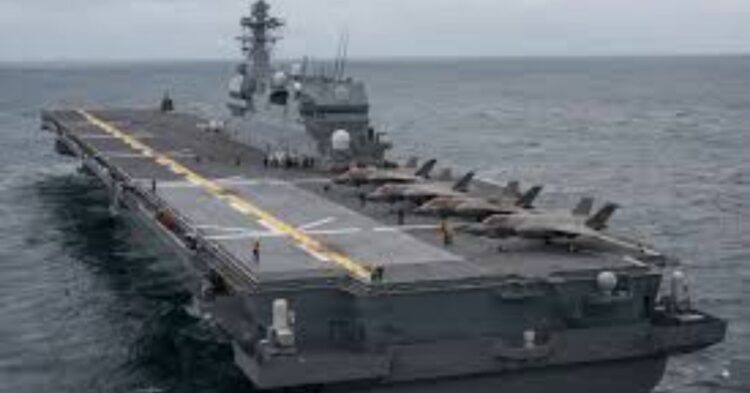
The U.S. Navy is preparing for one of its most significant fleet reduction phases in recent years as 14 ships are now officially scheduled for retirement and decommissioning during fiscal year 2026. What first appeared to be a routine military modernization plan has rapidly become a larger debate about the future of the American naval fleet, military readiness, shipbuilding delays, environmental cleanup risks, and the long-term strength of the U.S. Navy in an increasingly dangerous global security environment.
The latest official Navy schedule confirms that the naval fleet reduction now includes submarines, cruisers, amphibious ships, combat vessels, oilers, cargo ships, and logistics support ships. The growing concern among military analysts is not simply the number of ships leaving the fleet. The deeper concern is what this shrinking naval fleet may suggest about the future readiness of the U.S. Navy as geopolitical tensions rise across the Pacific, Europe, the Middle East, and Arctic regions.
The updated list now includes USS Newport News, USS Alexandria, USS Georgia, USS Shiloh, USS Lake Erie, USS Fort Worth, USS Germantown, USNS Red Cloud, USNS Watkins, USNS Pomeroy, USNS VADM K. R. Wheeler, USNS John Ericsson, USNS Pecos, and USNS Big Horn. These ships represent decades of operational history across multiple global conflicts, military deployments, logistics missions, and strategic deterrence operations.
U.S. Navy Fleet Reduction Raises Questions About Military Readiness
The U.S. Navy fleet has long been considered one of the most powerful maritime forces in the world, but the retirement of 14 ships in a single fiscal cycle is creating renewed questions about whether America’s naval fleet is shrinking too quickly.
Military analysts have repeatedly warned that the U.S. Navy faces increasing pressure from rising global naval powers, especially as China continues expanding its naval fleet size, submarine capabilities, missile systems, and shipbuilding production speed. At the same time, the U.S. Navy is struggling with rising maintenance costs, delayed shipbuilding programs, workforce shortages, aging infrastructure, and budget pressures.
The concern is especially serious because several ships leaving the fleet are not obsolete support vessels alone. The list includes nuclear-powered submarines and guided missile cruisers that played critical roles in America’s global naval strategy for decades.
USS Shiloh and USS Lake Erie, both Ticonderoga-class guided missile cruisers, have been central components of ballistic missile defense operations and Indo-Pacific naval missions. Their retirement reduces the number of large surface combatants available for future operations.
Meanwhile, USS Fort Worth, a Littoral Combat Ship, is leaving service much earlier than many experts expected. Critics of the Littoral Combat Ship program argue that maintenance complexity and operational limitations weakened the long-term effectiveness of the platform despite massive investment.
Nuclear Submarine Retirements Create Strategic Debate
Among the most closely watched ships on the retirement schedule are USS Newport News, USS Alexandria, and USS Georgia. These nuclear-powered vessels are entering a highly controlled recycling and dismantling process that reflects the enormous complexity of modern naval fleet retirement.
USS Georgia is particularly significant because it served as an Ohio-class guided missile submarine capable of carrying massive conventional strike capabilities. Losing such a vessel represents more than a symbolic fleet reduction. It affects the Navy’s operational flexibility and strategic deterrence posture.
The nuclear disposal process itself is a massive industrial operation involving reactor compartment removal, hazardous material management, environmental safeguards, recycling systems, and long-term storage planning.
The Navy’s submarine recycling efforts date back decades, with reactor compartment disposal operations beginning during the late Cold War period. Specialized dismantling work at Puget Sound Naval Shipyard has since become one of the most regulated industrial recycling programs in the United States.
Old reactor systems cannot simply be scrapped like ordinary steel. Every stage requires environmental oversight, radiation safety controls, hazardous waste removal, and highly specialized engineering procedures.
The Hidden Environmental Crisis Behind Naval Fleet Retirement
While headlines focus on the shrinking U.S. naval fleet, environmental experts are paying attention to another major issue: what happens after retirement ceremonies end.
Retired warships contain enormous quantities of hazardous materials, including fuel residues, lubricating oils, hydraulic systems, asbestos, lead, cadmium, toxic paints, PCBs, contaminated piping systems, and industrial chemicals accumulated during decades of military operations.
The retirement of multiple large naval vessels creates a huge environmental cleanup responsibility that many Americans rarely see.
Ship dismantling operations can become dangerous if cleanup procedures are rushed or underfunded. Environmental agencies have repeatedly warned that aging vessels left improperly stored or dismantled without adequate safeguards may create long-term pollution risks for coastal ecosystems and shipyard communities.
This is why MARAD, the Maritime Administration, plays such a critical role after Navy ships leave active service. MARAD oversees ship disposal programs involving dismantling, recycling, artificial reef programs, equipment removal, and environmental compliance management.
Some retired ships may eventually become artificial reefs supporting marine ecosystems and diving tourism. Others may be stripped for spare parts, transferred into reserve storage, or completely dismantled for recyclable steel and reusable industrial components.
USS Fort Worth Retirement Sparks Debate Over Littoral Combat Ship Program
The retirement of USS Fort Worth is becoming one of the most controversial parts of the Navy’s decommissioning plan because the vessel is leaving service far earlier than traditional warship lifespans.
The Littoral Combat Ship program was originally promoted as a revolutionary modernization effort designed to provide flexible, fast, shallow-water combat operations. However, years of mechanical problems, maintenance difficulties, cost overruns, and operational criticism weakened confidence in the program.
Now, critics argue that retiring ships like USS Fort Worth early raises broader concerns about defense spending efficiency and long-term naval planning.
Supporters of modernization argue that removing expensive, underperforming ships allows the Navy to redirect funding toward next-generation destroyers, autonomous systems, missile defense platforms, unmanned vessels, and advanced submarine technologies.
But critics warn that retiring ships faster than replacements arrive may leave dangerous capability gaps in the U.S. naval fleet.
Naval Fleet Modernization Comes With Massive Costs
The Navy insists that these retirements are necessary for modernization and budget management. According to fiscal planning documents, early ship retirements are expected to reduce operational costs while freeing resources for future fleet investments.
However, modernization itself is extremely expensive.
Building new warships requires massive amounts of steel, advanced electronics, nuclear systems, propulsion technology, missile platforms, labor, shipyard capacity, energy consumption, and supply chain coordination. Shipbuilding timelines often stretch across many years before new vessels become operational.
This creates a difficult transition period where older ships disappear faster than replacement vessels enter service.
The situation becomes even more concerning as global naval competition intensifies. China’s naval fleet expansion continues accelerating while Russia maintains submarine modernization efforts and Indo-Pacific security tensions remain high.
Military strategists increasingly warn that fleet size still matters despite advances in technology and automation.
Support Ships Leaving the Fleet Could Impact Logistics Operations
The retirement schedule also includes several logistics and support vessels such as USNS Pecos, USNS Big Horn, USNS John Ericsson, and other Military Sealift Command ships.
These ships may not receive the same public attention as submarines or cruisers, but logistics vessels are essential to sustaining naval operations across long distances. Fuel transport, cargo support, replenishment operations, and global resupply systems are critical for maintaining carrier strike groups and overseas deployments.
Without strong logistics infrastructure, even the most advanced combat fleet can face operational limitations.
Some retiring support ships will reportedly become Logistics Support Assets, meaning they may serve as spare-part sources for maintaining remaining vessels in active service. This process reflects the growing maintenance challenges facing the aging U.S. naval fleet.
Coastal Communities and Shipyard Workers Will Watch Closely
The retirement timeline stretches throughout 2026, with various ships scheduled for inactivation between January and September.
Shipyard workers, environmental regulators, defense contractors, recycling facilities, and coastal communities will all closely monitor how these decommissioning operations unfold.
Questions remain about:
- How much hazardous material will be removed
- Which ships will be dismantled or recycled
- Whether some vessels will enter reserve storage
- How nuclear components will be handled
- What environmental safeguards will be enforced
- How quickly replacement vessels can join the fleet
For many observers, the biggest issue is no longer simply whether the Navy is retiring ships. The larger concern is whether America can modernize its naval fleet fast enough while maintaining military readiness, environmental responsibility, and global strategic strength simultaneously.
The Future of the U.S. Naval Fleet Faces Growing Uncertainty
The retirement of 14 Navy ships in fiscal 2026 may ultimately become remembered as more than a normal military restructuring event. It may represent a turning point in how the United States manages fleet modernization, environmental cleanup, defense spending, and long-term maritime strategy.
As USS Newport News, USS Georgia, USS Shiloh, USS Lake Erie, USS Fort Worth, USS Germantown, and multiple support vessels leave active service, the debate over the future of the U.S. Navy will only intensify.
The shrinking naval fleet, rising global tensions, growing maintenance burdens, and massive environmental cleanup responsibilities are all converging at the same time.
For military analysts, coastal communities, environmental regulators, and defense planners, the most important question may no longer be how many ships the Navy is losing today.
The real question is what America’s naval fleet will look like tomorrow.