Stick to the Facts
Add Nbsla.ca as a Preferred Source on Google to see more of our stories in your search results.

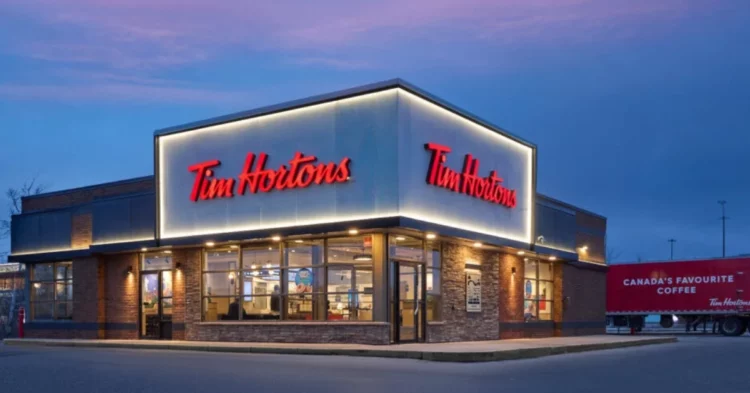
Tim Hortons is entering a fresh wave of expansion across Canada, signaling renewed confidence in its home market and a strategic push to strengthen its dominance in the quick-service restaurant and coffee sector. With plans to open approximately 80 new locations nationwide, the brand is not simply growing in numbers; it is reshaping its footprint in both urban and suburban communities while adapting to evolving consumer expectations.
This expansion comes at a time when competition in the coffee and fast-food space is intensifying, with global chains and boutique coffee shops competing for market share. Tim Hortons’ strategy reflects a blend of nostalgia, convenience-driven service, and modern retail adaptation designed to keep it relevant for a new generation of customers.
The Expansion Strategy: Why 80 New Locations Matter
Strengthening Market Saturation in Key Regions
The decision to open 80 new outlets is not random; it is part of a calculated strategy to deepen market penetration in high-growth and under-served areas. While Tim Hortons already has a strong presence across Canada, there are still regions where demand exceeds supply, particularly in fast-growing suburban corridors and smaller urban centres.
The expansion aims to:
- Increase accessibility for customers who currently travel longer distances for service
- Capture rising suburban population growth
- Reduce pressure on existing high-traffic outlets
- Improve brand visibility in competitive zones
This approach reflects a classic saturation strategy: when a brand is already dominant, the goal shifts from entry to density.
Balancing Urban Convenience and Suburban Growth
Urban centres remain important, but rising real estate costs and operational challenges have encouraged the brand to look outward. Suburban areas, where new housing developments continue to expand, offer more sustainable long-term opportunities.
New store formats are expected to reflect this shift, with:
- Drive-thru focused locations
- Smaller footprint stores for high-density areas
- Multi-service models combining dine-in and quick pickup options
This diversification ensures that each new outlet is tailored to its environment rather than following a one-size-fits-all model.
Consumer Behavior Driving the Expansion
Demand for Convenience Remains Central
One of the strongest forces behind this expansion is the continued consumer preference for convenience. Despite shifts toward specialty coffee and premium café experiences, a large segment of customers still prioritizes speed, affordability, and accessibility.
Tim Hortons has consistently positioned itself within this value-driven segment, offering:
- Fast service times
- Affordable beverage and food options
- Familiar menu items with broad appeal
The new store openings are designed to reinforce this identity while improving service efficiency.
Post-Pandemic Lifestyle Shifts
Consumer habits have permanently shifted following the pandemic. Remote work, hybrid schedules, and increased local living have changed daily movement patterns. Instead of commuting into city centres, many Canadians now spend more time in their local neighborhoods.
This has created a new opportunity:
- Higher daytime traffic in suburban stores
- Increased demand for breakfast and lunch convenience
- More frequent but smaller transactions
The expansion aligns closely with these behavioral changes.
Store Formats and Innovation in Design
Drive-Thru Dominance and Speed Optimization
A significant portion of the new locations will emphasize drive-thru service. This is consistent with broader industry trends where speed and convenience are driving customer loyalty.
Expect improvements such as:
- Dual-lane drive-thru systems in high-traffic areas
- Digital menu boards with dynamic pricing and promotions
- Streamlined order preparation zones to reduce wait times
These enhancements are designed to improve throughput while maintaining product consistency.
Smaller Footprint Stores in Urban Areas
In dense urban environments where space is limited and rent is high, smaller store formats will play a crucial role. These locations may reduce dine-in space in favor of:
- Pickup counters for mobile orders
- Limited seating optimized for quick turnover
- Integration with delivery platforms
This reflects a broader shift toward digital-first ordering behavior.
The Role of Technology in Expansion
Mobile Ordering and Digital Ecosystem Growth
Digital ordering has become a central pillar of modern quick-service restaurant operations. The expansion of new stores is expected to further integrate mobile ordering systems, reducing friction between ordering and pickup.
Key developments include:
- Enhanced mobile app personalization
- Pre-order scheduling for peak times
- Loyalty integration for repeat customers
This digital infrastructure allows the brand to manage higher order volumes more efficiently.
Data-Driven Site Selection
The selection of 80 new locations is likely supported by data analytics, including:
- Population growth trends
- Traffic flow analysis
- Competitor density mapping
- Consumer purchasing behavior
This ensures that each new store is placed where demand is statistically validated rather than speculative.
Economic Impact of the Expansion
Job Creation Across Multiple Provinces
The rollout of 80 new stores will contribute to job creation across Canada. Each location typically requires a combination of:
- Frontline service staff
- Shift supervisors
- Store managers
- Supply chain and logistics support
While individual store employment varies, the cumulative impact represents thousands of new job opportunities, particularly for entry-level workers and students.
Supply Chain and Local Sourcing Effects
Expansion also influences upstream industries. Increased store count leads to:
- Higher demand for baked goods and coffee supply
- Expansion of distribution networks
- Increased partnerships with local suppliers
This ripple effect benefits both national and regional economies.
Competitive Landscape in the Canadian Market
Pressure from Global Coffee Chains
The Canadian coffee market is highly competitive, with global players continuously expanding their footprint. Premium coffee brands and fast-casual cafés have introduced strong competition in urban areas.
However, Tim Hortons maintains advantages in:
- Brand familiarity
- Nationwide accessibility
- Price positioning
- Breakfast dominance
The expansion strategy aims to reinforce these strengths rather than compete directly in the premium niche.
Differentiation Through Everyday Value
Rather than repositioning itself as a luxury coffee destination, Tim Hortons continues to emphasize everyday affordability. This includes:
- Value meal bundles
- Consistent pricing strategies
- Broad menu appeal across demographics
The 80-store expansion reinforces this positioning by increasing convenience access points rather than altering brand identity.
Challenges and Risks in Rapid Expansion
Real Estate and Construction Costs
One of the most significant challenges in opening new locations is rising construction and real estate costs. In urban areas especially, securing profitable sites can be difficult.
This may lead to:
- Increased reliance on franchise partnerships
- Smaller store formats
- Longer development timelines in certain regions
Operational Consistency Across New Locations
Maintaining consistent quality across a rapidly expanding network is another challenge. As new staff are hired and new stores open, ensuring standardized service becomes increasingly important.
Key focus areas include:
- Training programs for employees
- Supply chain consistency
- Quality control systems
Future Outlook: What This Expansion Signals
A Long-Term Commitment to Canadian Growth
The decision to add 80 new locations signals that Tim Hortons views Canada not as a saturated market, but as an evolving one with continued growth potential. Rather than shifting focus abroad, the brand is doubling down on its home base.
Evolution Toward a Hybrid Service Model
The future of Tim Hortons appears to be moving toward a hybrid model that blends:
- Drive-thru efficiency
- Digital ordering convenience
- Smaller urban footprints
- Community-based suburban locations
This hybrid approach allows flexibility in different geographic and economic conditions.
Conclusion: Expansion as Reinvention, Not Just Growth
The planned addition of 80 new locations represents more than numerical expansion for Tim Hortons. It reflects a broader transformation strategy that aligns physical presence with changing consumer behavior, technological integration, and competitive pressures.
Rather than relying solely on legacy brand strength, the company is actively reshaping how and where it serves customers. The result is a more distributed, accessible, and digitally connected network that reinforces its position as one of Canada’s most recognizable and enduring quick-service brands.