Stick to the Facts
Add Nbsla.ca as a Preferred Source on Google to see more of our stories in your search results.

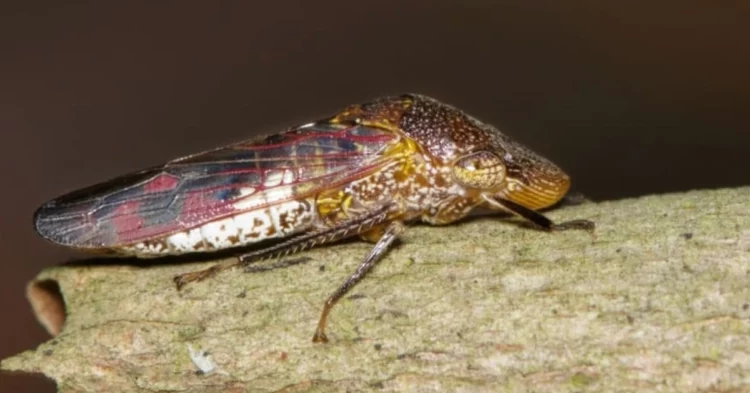
Agricultural officials across Northern California have issued an urgent warning after a dangerous invasive insect known as the glassy-winged sharpshooter was discovered on grapevines and citrus plants sold at Costco stores. The alarming discovery has triggered a multi-county response as authorities work to contain the spread of the pest before it causes severe damage to vineyards, orchards, and home gardens throughout the region.
The invasive insect was detected in several Northern California counties, including Sacramento, Solano, Stanislaus, Yolo, Alameda, Marin, Placer, Napa, Yuba, and San Mateo. Officials confirmed that some of the contaminated plants were sold at Costco locations in Sacramento and Marysville, raising concerns that hundreds of infected plants may already be sitting in backyards and gardens across the state.
Agricultural experts warn that the glassy-winged sharpshooter is far more than a nuisance insect. It is a serious agricultural threat capable of spreading Pierce’s Disease, a destructive bacterial infection that can kill grapevines and damage numerous other crops. California’s billion-dollar wine industry, citrus orchards, and ornamental plant sectors could all face devastating consequences if the pest becomes firmly established in Northern California.
The discovery has sparked widespread concern among farmers, vineyard owners, agricultural agencies, and residents who may have unknowingly purchased the infected plants.
How the Invasive Insect Was Discovered
The outbreak investigation began after agricultural inspectors identified the glassy-winged sharpshooter on shipments of grapevines distributed by Burchell Nursery, Inc., located in Fresno County. Between April 21 and May 21, multiple shipments of grapevines were delivered to Costco stores across Northern California.
Inspectors soon detected various life stages of the insect on the plants, including eggs and adult sharpshooters. The affected shipments reached several counties before officials identified the infestation.
In Sacramento County alone, authorities destroyed 160 grapevines after confirming contamination. However, officials believe many more plants were sold before inspections occurred, leaving hundreds of grapevines unaccounted for.
This has created a major challenge for agricultural departments, which are now relying heavily on public cooperation to prevent the pest from spreading further into residential neighborhoods and farming regions.
Officials fear that even a small number of infected plants could allow the insect population to establish itself permanently in Northern California, where vineyards and orchards provide ideal feeding and breeding conditions.
What Is the Glassy-Winged Sharpshooter?
The glassy-winged sharpshooter is a large leafhopper insect native to the southeastern United States and parts of Mexico. Although relatively small in size, the insect poses a significant threat because of its ability to spread harmful plant diseases.
The pest was first detected in California during the 1990s and has since become established in parts of Southern and Central California. State agricultural agencies have spent decades attempting to contain its spread and protect vulnerable crops.
The insect feeds on plant fluids by piercing stems and leaves with needle-like mouthparts. During feeding, it can transmit the bacterium responsible for Pierce’s Disease from one plant to another.
Unlike many other insect pests, the glassy-winged sharpshooter can feed on hundreds of plant species. This broad feeding range makes it especially dangerous because it can survive and spread through residential gardens, nurseries, orchards, and vineyards alike.
Experts say the insect is highly mobile and capable of traveling significant distances, making containment efforts especially difficult once populations become established.
Why Pierce’s Disease Is So Dangerous
One of the biggest concerns surrounding the glassy-winged sharpshooter is its role in spreading Pierce’s Disease, a deadly bacterial infection that primarily affects grapevines.
Pierce’s Disease blocks the movement of water within infected plants, causing leaves to dry out and vines to eventually die. Once symptoms appear, infected grapevines often decline rapidly and may become permanently unproductive.
There is currently no cure for Pierce’s Disease, which makes prevention and containment critically important.
California’s wine industry is especially vulnerable because grapevines are highly susceptible to the disease. The state produces the vast majority of American wine and supports thousands of jobs connected to vineyards, wineries, tourism, and agriculture.
If the disease spreads extensively through Northern California wine regions such as Napa and surrounding counties, the economic consequences could be severe.
In addition to grapevines, the glassy-winged sharpshooter can also damage citrus trees, almonds, and ornamental landscaping plants. This wide host range increases the risk of widespread agricultural disruption across multiple industries.
Counties on High Alert Following Discovery
Several Northern California counties have intensified monitoring and inspection efforts following the discovery of the invasive insect.
Sacramento County agricultural officials have been particularly vocal about the urgency of the situation. Agricultural Commissioner Chrisandra Flores emphasized the importance of preventing the pest from establishing local populations.
According to officials, county agencies have worked diligently for years to stop the glassy-winged sharpshooter from gaining a foothold in the region. The recent discovery on retail plants represents a significant setback and raises fears that the insect may already be spreading unnoticed.
Yolo County Agricultural Commissioner Humberto Izquierdo also stressed the importance of rapid public response. Authorities are coordinating closely with state agencies, regional agricultural partners, and Costco representatives to identify potentially affected plants and limit further spread.
Inspection programs are now focusing on residential areas where contaminated plants may have been taken after purchase.
Officials believe community awareness will play a critical role in determining whether the infestation can be successfully contained.
What Residents Should Do If They Purchased Plants From Costco
Agricultural officials are urging anyone who recently purchased grapevines or citrus plants from Costco locations in Sacramento or Marysville to take immediate precautions.
For grapevines, authorities recommend carefully placing two garbage bags over the plants and securing them tightly to prevent insects from escaping. Residents are advised not to move the plants or attempt to dispose of them independently.
For citrus plants, officials recommend scheduling an inspection with local agricultural departments before taking any action.
Authorities strongly warn against returning the plants to stores, transporting them to another location, or placing them in regular trash or compost bins. Doing so could unintentionally spread the insect to new areas.
The reason for these strict guidelines is that the glassy-winged sharpshooter is capable of surviving and reproducing quickly if released into suitable environments.
Agricultural agencies are asking residents to cooperate fully and report any suspicious insects or affected plants immediately.
How Invasive Species Threaten California Agriculture
California’s agricultural economy is one of the largest and most valuable in the world. The state produces a massive share of America’s fruits, vegetables, nuts, and wine products.
Because of this agricultural diversity, California remains highly vulnerable to invasive pests and plant diseases introduced through trade, transportation, and commercial plant sales.
Invasive species can spread rapidly because they often arrive without the natural predators that help control them in their native habitats. Once established, they can become extremely difficult and expensive to eliminate.
The glassy-winged sharpshooter is only one example of the growing biosecurity challenges facing California agriculture.
Over the years, state officials have battled numerous invasive threats, including the Mediterranean fruit fly, citrus psyllid, spotted lanternfly concerns, and various destructive beetle species.
Each new infestation places additional pressure on agricultural inspection systems, quarantine programs, and pest management budgets.
Experts say climate conditions in California often create ideal environments for invasive pests to thrive year-round.
Economic Risks for California’s Wine Industry
The potential threat to California vineyards cannot be overstated. The state’s wine industry contributes billions of dollars annually to the economy and supports hundreds of thousands of jobs.
Northern California wine regions, particularly Napa and surrounding counties, are internationally recognized for premium wine production and tourism.
Pierce’s Disease has historically caused major losses in infected vineyards. Before intensive management efforts were introduced, outbreaks devastated grape-growing regions in parts of Southern California.
The spread of the glassy-winged sharpshooter into additional wine-producing areas could dramatically increase the risk of new disease outbreaks.
Vineyard owners already invest heavily in pest monitoring, disease management, and preventive treatments. A widespread infestation would likely increase production costs and create long-term economic strain for growers.
Smaller vineyards and family-owned wineries could face especially difficult challenges if disease pressure rises significantly.
Beyond direct agricultural losses, widespread vineyard damage could also impact tourism, hospitality businesses, and local economies that depend heavily on wine-related travel.
The Role of Nurseries and Retailers in Preventing Pest Spread
The recent incident has also highlighted concerns about how invasive pests can spread through commercial plant distribution networks.
Nurseries and large retailers play a major role in moving plants across counties and regions. Even a single contaminated shipment can introduce dangerous pests into entirely new environments.
Plant inspection programs are designed to catch infestations before products reach consumers, but the scale of modern plant distribution can make complete prevention difficult.
Agricultural officials are now reviewing the affected shipments and tracing where contaminated plants may have been delivered.
Retailers may also face increased pressure to strengthen inspection protocols and improve communication with agricultural authorities during pest investigations.
Consumers are increasingly being encouraged to purchase plants from certified local sources and inspect new plants carefully before introducing them into gardens or landscapes.
Why Public Awareness Is Critical Right Now
Officials say public cooperation will determine how successful containment efforts become in the coming weeks.
Because many of the plants were sold directly to consumers, agricultural agencies cannot locate every potentially infected vine or citrus plant without community assistance.
Residents who unknowingly purchased affected plants may not realize the danger posed by the insects living on them.
Education campaigns are now focused on helping homeowners identify suspicious insects and understand why improper disposal could worsen the infestation.
Early detection remains one of the most effective tools for stopping invasive species before they become permanently established.
Experts stress that even people without vineyards or farms can play an important role in protecting California agriculture by reporting concerns and following official guidance.
Long-Term Concerns About Invasive Agricultural Pests
The Costco plant incident serves as another reminder of the ongoing challenges posed by invasive species in an increasingly interconnected world.
Global trade, transportation networks, and large-scale plant distribution systems create countless opportunities for pests to travel across borders and regions.
Climate change may also contribute to the problem by expanding the geographic range where invasive insects can survive and reproduce.
Agricultural scientists warn that future pest outbreaks could become more frequent as environmental conditions shift and international trade continues growing.
To address these risks, California and other agricultural states continue investing in surveillance systems, quarantine enforcement, scientific research, and rapid response programs.
However, experts say long-term success depends heavily on cooperation between government agencies, retailers, growers, and the public.
The current effort to contain the glassy-winged sharpshooter infestation will likely require weeks or even months of monitoring and inspections.
Officials remain hopeful that swift action can prevent the insect from spreading more broadly across Northern California’s vulnerable agricultural regions.
Final Thoughts on the Northern California Pest Alert
The discovery of the glassy-winged sharpshooter on grapevines and citrus plants sold at Costco has triggered serious concern across Northern California agricultural communities. What may appear to be a small insect has the potential to cause major economic and environmental consequences if left unchecked.
With hundreds of plants potentially already dispersed into neighborhoods and gardens, officials are racing to contain the outbreak before it spreads into vineyards, orchards, and commercial farms.
The situation highlights the growing importance of agricultural inspections, public awareness, and rapid response efforts in protecting California’s food systems and farming economy.
For now, agricultural agencies continue urging residents to avoid moving suspicious plants and to contact local authorities for inspections and guidance.