Stick to the Facts
Add Nbsla.ca as a Preferred Source on Google to see more of our stories in your search results.

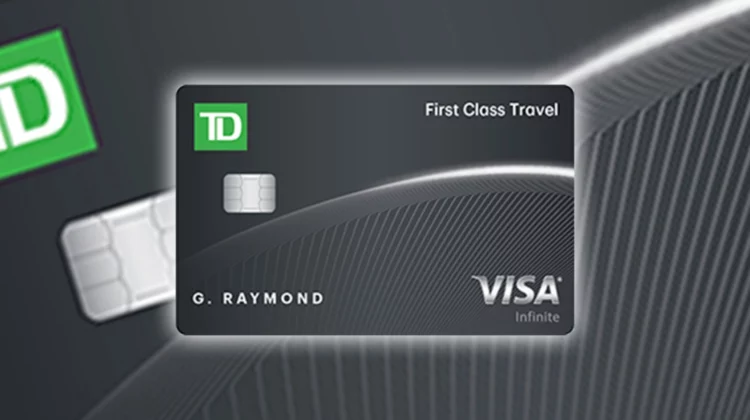
Many Canadians believe that cancelling a credit card and getting a replacement automatically stops any future charges tied to the old card. That assumption feels logical and is often reinforced by common advice around fraud prevention. However, my recent experience with a TD Visa credit card suggests the reality can be far more complex.
This is not a blanket claim about all customers or all situations. It is a detailed, first-person account based on a specific sequence of events involving a SaaS free trial, multiple calls with TD, replacement cards, and written communication from the bank.
What unfolded raised serious questions about how modern payment systems work behind the scenes, particularly when it comes to recurring billing, merchant tokens, and card replacement processes.
How a Simple SaaS Free Trial Turned Into a Credit Card Concern
The issue began on April 8, 2026, when I clicked an advertisement on X, formerly known as Twitter, promoting a SaaS platform offering a three-day free trial followed by a discounted subscription.
The offer appeared straightforward. The idea was to test the platform during the trial period and decide whether to continue. However, things did not go as expected after entering my TD Visa card details.
A Broken Onboarding Experience
After submitting payment information, the onboarding process froze. The “next” button did nothing, and I could not proceed further. More importantly, I could not access any account dashboard or settings.
This created a serious problem. Without access to the account, I had no way to cancel the trial or manage the subscription. What should have been a simple software test suddenly became a financial concern.
Immediate Action: Contacting Both the Merchant and TD
Recognizing the risk of a future charge, I acted quickly.
Reaching Out to the SaaS Provider
On the same night, I contacted the SaaS company’s support team. I explained the issue and followed up shortly after to state that I intended to cancel due to the lack of response and functionality.
Calling TD Before Any Charge Occurred
I also called TD’s credit card support that same day. During the call, I clearly explained:
- The service involved a three-day free trial
- A charge would occur after the trial period
- I could not access the account to cancel the subscription
- I did not want the future charge to go through
The call lasted approximately 20 minutes. TD’s solution was to cancel my current card and issue a replacement with new details on an expedited basis.
At the time, this seemed like a reasonable and proactive step.
The SaaS Company Acknowledges a Technical Issue
The following day, the SaaS provider responded, confirming they were investigating the problem. By April 10, they stated the issue had been fixed.
What Went Wrong on Their End
According to their explanation, the onboarding system failed due to a technical bug involving improperly formatted URLs. This caused the process to stall and prevented account access.
They offered me a fresh trial after fixing the issue. Since I believed my original card had already been cancelled and secured, I agreed.
That assumption would later prove incorrect.
A Replacement Card Arrives With an Unexpected Error
On April 13, the replacement TD Visa card arrived. However, it came with a surprising issue.
The Missing Name Problem
Instead of displaying my name, the card showed the phrase “MISSING C NAME” along with what appeared to be an internal code.
In a time when consumers are constantly warned about fraud and identity protection, receiving a card with incorrect or incomplete details is concerning.
Reporting the Issue to TD
I contacted TD again the same day. During this 26-minute call, I:
- Reported the incorrect name on the card
- Requested an explanation
- Asked for an official response that could be documented
TD confirmed that a corrected card would be issued within 5 to 10 business days.
TD Acknowledges the Error in Writing
On April 14, TD sent a formal apology letter. The bank acknowledged:
- The error on the replacement card
- The confusion it caused
- That the issue resulted from a system error during production
This confirmed that the problem was real and not a misunderstanding.
The Most Critical Issue: The Charge Still Went Through
Despite cancelling the original card on April 8, the situation took a more serious turn.
Timeline of the Charge
- April 17: The SaaS company processed the charge
- April 20: The transaction was posted
- Amount: Approximately $140
This was the core issue. I had contacted TD before the charge, followed their recommended solution, and still saw the transaction go through.
TD’s Initial Explanation and Why It Fell Short
When I contacted TD again, the initial response was that I should have cancelled directly with the merchant.
While this aligns with general banking guidance, it did not reflect the reality of my situation.
Why This Was Not a Typical Case
- I had already contacted the merchant
- I could not access the account to cancel
- I informed TD before the charge occurred
- I followed TD’s recommended action
The standard explanation did not address why the card replacement failed to prevent the transaction.
The Key Revelation: A Backend Token Was Still Active
On April 30, TD provided a more detailed explanation.
What TD Told Me
According to TD, the charge went through because a backend payment token linked to the merchant had not been removed when the card was replaced.
This token allowed the merchant’s system to process the transaction, even though the original card had been cancelled.
What Happened Next
TD stated that:
- The newly issued card would also be cancelled
- Another replacement card would be issued
- This step was necessary to prevent future charges
This was the most concerning part of the experience. It showed that cancelling a card number alone may not fully disconnect existing payment relationships.
Understanding Why Card Replacement May Not Be Enough
Many consumers assume that a new card number and CVV automatically block all previous payment connections. However, modern payment systems are more complex.
The Role of Payment Tokens and Card-on-File Systems
Merchants often use tokenization to securely store payment credentials. These tokens can remain active even when a card is replaced.
Additionally, systems like account updater services may automatically update card details for recurring billing.
The Consumer Risk
While these systems are designed to ensure continuity for legitimate subscriptions, they can also allow unwanted charges to continue if not properly managed.
Why “Cancel With the Merchant” Was Not Sufficient Here
In most cases, cancelling directly with the merchant is the correct step. However, this situation was different.
Key Limitations in This Case
- The account was inaccessible due to a technical bug
- The issue was reported immediately
- The bank was informed before any charge occurred
- The bank provided an alternative solution
When a bank recommends card replacement as a protective measure, consumers reasonably expect that action to be effective.
What Canadian Credit Cardholders Need to Know
This experience highlights an important reality: cancelling a card does not always sever all payment connections.
What May Still Remain Active
- Merchant tokens
- Recurring billing agreements
- Card-on-file credentials
- Digital wallet links
- Account updater connections
Understanding these elements is essential for anyone trying to stop a future charge.
Important Questions to Ask Your Bank
If you ever need to replace a credit card due to a suspicious or unwanted transaction, do not stop at requesting a new card.
Ask Direct and Specific Questions
- Has the merchant token been removed?
- Are any recurring billing connections still active?
- Has the merchant been blocked from future charges?
- Are account updater services still linked?
- Will future transactions from this merchant be declined?
- Can this be confirmed in writing?
These questions may seem technical, but they are critical in ensuring full protection.
What to Do If This Happens to You
If a charge goes through after your card has been replaced, take immediate action.
Steps to Follow
- Contact the merchant in writing and request cancellation and a refund
- Ask for confirmation that no future charges will occur
- Contact your bank and request a detailed explanation of how the transaction was processed
- Ask specifically about tokens, recurring billing, and updater systems
- Monitor your account closely for additional charges
Documentation is essential. Keep records of all communication and timelines.
Why This Experience Matters for Canadian Consumers
This situation is not just about one transaction or one bank. It reflects a broader issue in how modern payment systems operate.
Consumers are often told to act quickly when they suspect a problem. In this case, I did exactly that.
- I contacted the merchant immediately
- I contacted the bank before the charge
- I followed the bank’s instructions
Despite these steps, the system did not work as expected.
The Bigger Question for Banks and Payment Systems
The key issue is not whether consumers should cancel subscriptions with merchants. In most cases, they should.
The real question is what happens when that is not possible and the bank steps in as the solution provider.
The Need for Greater Transparency
Banks and card issuers need to clearly explain:
- How card replacement interacts with recurring payments
- Whether tokens and stored credentials are removed
- What protections are actually in place
Without this clarity, consumers may believe they are protected when they are not.
Final Thoughts: A Critical Lesson for Credit Card Users
This experience highlights an important takeaway for Canadian credit cardholders.
Replacing a credit card may not be enough to stop a future charge if underlying payment connections remain active.
If you are ever in a similar situation, do not assume that a new card number solves the problem entirely.