Stick to the Facts
Add Nbsla.ca as a Preferred Source on Google to see more of our stories in your search results.

The BC Conservative leadership race has finally come to an end, and Kerry-Lynne Findlay has emerged victorious after one of the closest and most intense contests in the history of the Conservative Party of BC. Following four rounds of voting, Kerry Lynne Findlay secured 51 percent of the vote, narrowly defeating Caroline Elliott, who finished with 49 percent in the final ballot.
The result concludes a tense three-month conservative leadership race that attracted significant attention from party members, political observers, and voters across British Columbia. With the victory, Kerry-Lynne Findlay becomes the new leader of the Conservative Party of BC, taking over from interim leader Trevor Halford, who stepped in following John Rustad’s resignation in December.
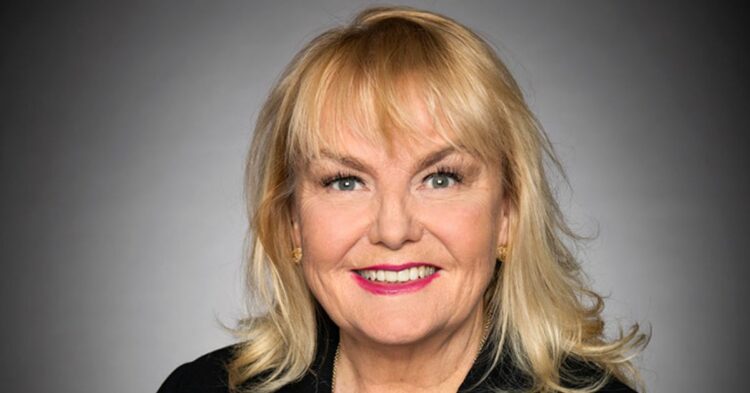
Kerry-Lynne Findlay Claims Victory in Historic BC Conservative Leadership Race
The final result of the BC Conservative leadership race was announced after multiple ballots failed to produce a majority winner. Throughout the evening, Kerry-Lynne Findlay consistently led the field, demonstrating strong support among party members.
In the first ballot, Kerry-Lynne Findlay captured approximately 30 percent of the vote, ahead of Caroline Elliott, who received around 25 percent. The race remained highly competitive as additional candidates were gradually eliminated.
As the ballots continued, Kerry-Lynne Findlay maintained her lead. In the second round, she increased her support to roughly 32 percent. By the third ballot, Kerry-Lynne Findlay had reached nearly 39 percent, while Caroline Elliott BC supporters continued to consolidate behind their candidate.
The fourth and final ballot ultimately decided the contest. Kerry-Lynne Findlay received 51 percent of the vote compared to 49 percent for Caroline Elliott, giving Findlay the narrowest of victories in the closely watched BC Conservative leadership race.
The razor-thin margin highlights the divisions and differing visions within the Conservative Party of BC as members debated the future direction of the party.
Caroline Elliott Emerges as Strong Challenger
Although Caroline Elliott fell just short of victory, her performance significantly exceeded expectations for many political observers following the BC Conservative leadership race polls and campaign debates.
Throughout the campaign, Caroline Elliott BC built strong grassroots support and positioned herself as a serious alternative to Kerry-Lynne Findlay. As candidates were eliminated during the ranked-ballot process, Elliott steadily gained momentum and nearly completed a remarkable comeback.
By the final ballot, Caroline Elliott had narrowed the gap dramatically, finishing only two percentage points behind the eventual winner.
Many supporters praised Caroline Elliott BC for running a disciplined campaign that energized many members of the Conservative Party of BC. Despite the loss, political analysts believe Elliott’s strong showing could position her as an influential figure within the party moving forward.
Kerry-Lynne Findlay Promises Major Changes for British Columbia
Following her victory in the conservative leadership race, Kerry-Lynne Findlay delivered an emotional speech to supporters, thanking her family, campaign team, and party members who backed her throughout the contest.
Addressing the crowd, Kerry-Lynne Findlay described the campaign as a remarkable journey and outlined her vision for the future of British Columbia.
She emphasized economic growth, tax reductions, property rights, and what she described as restoring prosperity to the province. During her campaign, Kerry Lynne Findlay repeatedly argued that British Columbia requires a new direction after years of NDP governance.
Her platform focused on reducing taxes, supporting private property rights, and implementing policy changes affecting education and parental involvement.
In her victory speech, Kerry-Lynne Findlay declared that British Columbia could once again become strong and prosperous, promising what she called “fundamental change” for the province.
The new leader also emphasized themes of faith, family, and freedom, which became central messages throughout her campaign.
How the Conservative Party of BC Reached This Moment
The leadership contest was triggered after former leader John Rustad stepped down following a turbulent period for the party.
Rustad’s resignation left the Conservative Party of BC searching for new leadership at a critical moment in provincial politics. Trevor Halford served as interim leader while party members prepared for the leadership vote.
The resulting conservative leadership race featured several prominent candidates, including Kerry-Lynne Findlay, Caroline Elliott, Iain Black, Yuri Fulmer, and Peter Milobar.
The contest quickly became one of the most closely watched political developments in British Columbia as party members debated competing visions for the future.
The multi-ballot voting system ensured that candidates needed broad support rather than simply leading the first round. This process contributed to the dramatic finish witnessed during the final vote count.
BC Conservative Leadership Race Polls Showed Tight Competition
Throughout the campaign, many political observers closely monitored BC Conservative leadership race polls to gauge member sentiment.
While several polls suggested Kerry-Lynne Findlay entered the race as one of the frontrunners, the final result demonstrated just how competitive the leadership contest became.
The strength of Caroline Elliott in later ballots reflected shifting alliances among supporters of eliminated candidates. As voting progressed, Elliott managed to attract enough transfers to make the final outcome uncertain until the last count.
The extremely close 51-49 result confirms that the BC Conservative leadership race polls accurately reflected a divided membership and a highly competitive battle for the party’s top position.
What Kerry-Lynne Findlay’s Victory Means for the Conservative Party of BC
The election of Kerry-Lynne Findlay marks a significant turning point for the Conservative Party of BC.
As a former federal Member of Parliament and experienced political figure, Kerry Lynne Findlay brings years of public service experience to the leadership role. Her supporters argue that her experience will help strengthen the party’s organization and improve its ability to challenge the governing NDP.
However, the narrow result also highlights the importance of party unity moving forward.
With nearly half of voting members supporting Caroline Elliott, Kerry-Lynne Findlay will likely need to bring together different factions within the party if she hopes to build momentum ahead of future provincial elections.
Political analysts say one of her first major challenges will be unifying supporters of all leadership candidates while presenting a clear alternative vision to voters across British Columbia.
A New Chapter Begins for Kerry-Lynne Findlay and the BC Conservatives
The conclusion of the BC Conservative leadership race marks the beginning of a new chapter for both Kerry-Lynne Findlay and the Conservative Party of BC.
After surviving four rounds of voting and defeating Caroline Elliott in a dramatic final ballot, Kerry-Lynne Findlay now faces the challenge of transforming leadership victory into political momentum.
The extraordinarily close finish demonstrates that the BC Conservative leadership race was one of the most competitive contests in recent provincial political history.
As attention shifts away from the campaign and toward the future, all eyes will remain on Kerry-Lynne Findlay, Caroline Elliott, and the Conservative Party of BC as they prepare for the next phase of British Columbia politics.
With BC Conservative leadership race polls, campaign debates, and four rounds of voting now behind them, party members have chosen Kerry-Lynne Findlay to lead the way forward. Whether she can unite the party and expand its support across the province will be one of the most closely watched political stories in British Columbia over the coming months.