Stick to the Facts
Add Nbsla.ca as a Preferred Source on Google to see more of our stories in your search results.

A new revelation involving Ian McKellen and Alec Guinness has reignited conversations about celebrity activism, LGBTQ politics, and the pressures actors once faced in speaking publicly about gay rights.
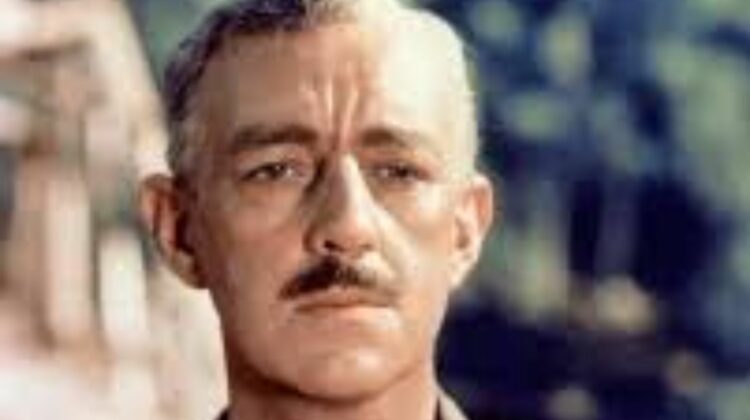
The discussion began after the legendary actor Ian McKellen revealed that Alec Guinness, the iconic actor best known to millions as Obi-Wan Kenobi from the original Star Wars trilogy, allegedly advised him decades ago to stay away from LGBTQ political activism.
The comments have drawn widespread attention because both actors represent major figures in British cinema history, while the topic itself touches on the changing relationship between Hollywood, LGBTQ rights, and public advocacy.
Ian McKellen Says Alec Guinness Warned Him About LGBTQ Politics
In a recent interview with The Guardian, Ian McKellen reflected on what he described as the “worst piece of advice” he had ever received.
According to McKellen, the advice came from Alec Guinness during a private lunch meeting in London during the late 1980s.
McKellen explained that Guinness invited him to an Italian lunch in Pimlico, where the conversation eventually turned toward McKellen’s growing involvement in LGBTQ rights activism.
At the time, McKellen had become heavily involved in efforts to establish Stonewall, one of the United Kingdom’s most influential LGBTQ advocacy organizations.
McKellen recalled that Guinness allegedly believed it was inappropriate for actors to become involved in political or public social causes.
According to McKellen, Guinness “pleaded” with him to withdraw from activism related to LGBTQ equality and public advocacy.
Alec Guinness and the Older Hollywood Mindset
The revelation has sparked renewed debate about how older generations of actors viewed politics, sexuality, and public activism.
Alec Guinness belonged to an era when many actors avoided openly discussing controversial political or social issues. During much of the 20th century, public figures often feared professional consequences for discussing sexuality, especially LGBTQ issues.
At the same time, Hollywood and British entertainment industries were far less accepting of openly gay actors than they are today.
McKellen described Guinness’s comments as reflective of “an older generation,” suggesting that the advice represented a cultural mindset common during that period rather than outright hostility.
Still, the story has generated strong reactions because of Guinness’s legendary status within Star Wars history and British cinema.
Ian McKellen Refused to Step Back From LGBTQ Activism
Despite the advice, Ian McKellen made clear that he did not follow Guinness’s request.
Instead, McKellen continued his activism and became one of the most recognizable LGBTQ advocates in the entertainment world.
In 1988, McKellen publicly came out as gay during an appearance on a BBC Radio program. At the time, openly discussing sexuality carried significant career risks, particularly for internationally known actors.
The following year, he co-founded Stonewall, which would later become one of the UK’s leading LGBTQ rights organizations.
Over the decades, McKellen’s activism expanded far beyond Stonewall. He has supported numerous LGBTQ charities, Pride organizations, educational campaigns, and community groups throughout the United Kingdom.
Today, many fans view Ian McKellen as both a celebrated actor and a major public voice for LGBTQ equality.
Star Wars Fans React to Alec Guinness Comments
The involvement of Alec Guinness has made the story especially significant for longtime Star Wars fans.
Guinness became globally famous for portraying Obi-Wan Kenobi in the original trilogy, helping establish one of the most iconic characters in science fiction history.
Although Guinness was widely respected for his acting achievements beyond Star Wars, including numerous classic British film performances, his association with the franchise remains central to his legacy.
The revelation about his conversation with McKellen has therefore sparked renewed public discussion about how older generations of actors navigated sexuality and political issues behind the scenes.
Discussions Around Alec Guinness’ Personal Life Resurface
The interview also revived public conversation surrounding longstanding speculation about Alec Guinness and his personal life.
McKellen mentioned attending a performance of “Two Halves of Guinness,” a play inspired by Guinness’s life and career. According to McKellen, the production hinted at what he described as possible latent bisexuality, something he suggested Guinness may have found uncomfortable publicly discussing.
Historical biographies and media reports over the years have also referenced past speculation surrounding Guinness’s sexuality.
However, much of that discussion has remained debated and sensitive due to the actor’s private nature and the social climate during his lifetime.
Ian McKellen Continues Encouraging LGBTQ Visibility
While reflecting on the past, Ian McKellen also reiterated his long-standing support for LGBTQ visibility and openness.
In a separate interview published in 2025, McKellen encouraged LGBTQ individuals, including celebrities, not to remain hidden because of fear or public pressure.
He said he had never met someone who regretted coming out and argued that public honesty helps create healthier and more accepting communities.
These comments align closely with McKellen’s decades-long activism and explain why he ultimately rejected Alec Guinness’s advice from the late 1980s.
Alec Guinness, Ian McKellen and the Changing Entertainment Industry
The story involving Alec Guinness and Ian McKellen highlights how dramatically the entertainment industry has changed over the past several decades.
During Guinness’s peak career years, actors often avoided discussing politics, sexuality, or controversial public issues in order to protect their careers and public image.
Today, however, many actors openly support political causes, LGBTQ rights, and social justice movements without facing the same level of professional risk.
McKellen’s decision to continue speaking publicly about LGBTQ equality helped make him one of the entertainment industry’s most influential advocates, while also reflecting the broader cultural shift toward acceptance and visibility.
The renewed attention surrounding Alec Guinness and Ian McKellen goes beyond a simple disagreement between two actors.
Instead, it reflects a larger generational divide over celebrity activism, LGBTQ politics, and the changing expectations placed on public figures.
While Alec Guinness reportedly believed actors should avoid political involvement, Ian McKellen ultimately chose the opposite path, becoming one of the most prominent LGBTQ advocates in modern entertainment history.
The conversation continues to resonate today because it captures a moment when Hollywood, British cinema, and society itself were beginning to confront changing attitudes toward sexuality, equality, and public activism.