Stick to the Facts
Add Nbsla.ca as a Preferred Source on Google to see more of our stories in your search results.

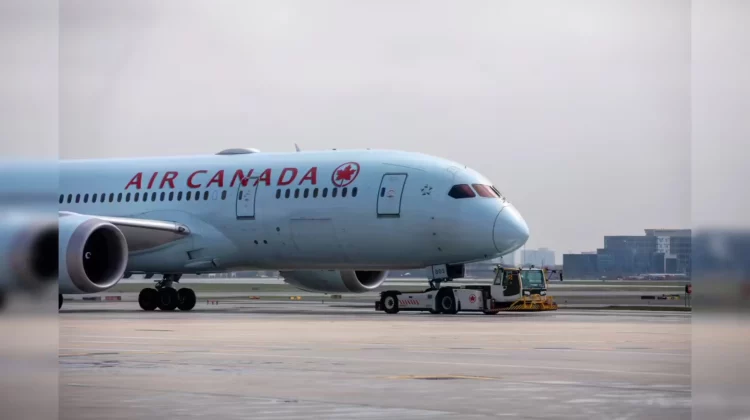
Air travel across Canada experienced significant disruption as major airports including Toronto Pearson International Airport, Vancouver International Airport, Montréal–Trudeau International Airport, Calgary International Airport, Ottawa Macdonald–Cartier International Airport, and Québec City Jean Lesage International Airport collectively reported a wave of operational interruptions. According to flight tracking data and airport updates, at least 53 flights were cancelled and 256 flights were delayed within a short operational window, affecting thousands of passengers across domestic and international routes.
The disruptions have heavily impacted major carriers such as Air Canada, WestJet, Jazz Aviation, and PAL Airlines, leading to cascading schedule changes, missed connections, and extended wait times at terminals nationwide.
Overview of the Flight Disruptions Across Canada
Scale of the Operational Impact
The aviation disruption spread across multiple provinces, with the busiest hubs bearing the highest load. The breakdown of the situation shows:
- 53 confirmed flight cancellations across major Canadian airports
- 256 reported delays affecting departures and arrivals
- Multiple knock-on delays due to aircraft rotation and crew scheduling issues
- Widespread disruption affecting both domestic and international travel networks
While no single cause has been officially confirmed as the sole trigger, the combined effect of operational constraints, weather variability in certain regions, and air traffic congestion contributed to the situation.
Airports Most Affected
The most significantly impacted airports include:
Toronto Pearson International Airport
Vancouver International Airport
Montréal–Trudeau International Airport
Calgary International Airport
Ottawa Macdonald–Cartier International Airport
Québec City Jean Lesage International Airport
These airports serve as Canada’s primary aviation gateways, meaning disruptions at these locations quickly ripple across the national and international flight network.
Airline Operations Under Pressure
Air Canada Facing Network Strain
Air Canada experienced widespread schedule disruption, particularly on high-frequency domestic routes and international connections through Toronto and Montréal hubs. The airline’s complex hub-and-spoke model means delays in one region often cascade into multiple subsequent flights.
Passengers reported long wait times for rebooking assistance and limited availability on alternate flights, especially on transcontinental routes such as Toronto to Vancouver and Montréal to Calgary.
WestJet Operational Delays and Reallocations
WestJet also reported multiple delayed departures and cancellations, particularly affecting western Canada operations through Calgary International Airport. The airline’s regional connectivity across smaller cities was impacted due to aircraft rotation delays and crew repositioning challenges.
Travelers connecting through Calgary faced missed onward flights, resulting in overnight delays for some passengers.
Jazz Aviation Regional Network Impact
Jazz Aviation, which operates regional flights on behalf of Air Canada, saw significant knock-on effects in smaller airports across Atlantic Canada and Ontario. Routes feeding into larger hubs like Toronto Pearson and Montréal–Trudeau were especially disrupted, limiting connectivity for regional passengers.
PAL Airlines Service Interruptions
PAL Airlines, serving primarily Atlantic Canada routes, experienced delays and cancellations affecting short-haul flights. The airline’s reliance on tight scheduling between smaller airports meant even minor disruptions caused extended delays throughout the day.
Passenger Experience at Major Airports
Extended Wait Times and Congestion
At major terminals, passengers reported crowded waiting areas, long security reprocessing lines, and difficulty accessing timely updates. Toronto Pearson and Vancouver International Airport saw particularly high passenger volumes due to backlog accumulation.
Many travelers experienced:
Missed international connections
Delayed baggage handling
Long queues at airline service desks
Limited availability of alternative flights
Rebooking Challenges
Rebooking flights became increasingly difficult as aircraft availability tightened throughout the day. With multiple airlines facing simultaneous disruptions, seat inventory quickly filled on alternative routes, leaving many passengers waiting for next-day departures.
Possible Contributing Factors Behind the Disruptions
Weather Variability Across Regions
While conditions varied across Canada, localized weather changes in certain regions may have contributed to scheduling inefficiencies. Even minor weather disruptions at hub airports can create cascading delays across the entire national network.
Air Traffic Congestion
Canada’s busiest airports operate near capacity during peak travel periods. High traffic volume combined with tight scheduling windows increases vulnerability to delays, especially when one aircraft rotation is delayed.
Operational Constraints and Crew Scheduling
Airline operations depend heavily on precise crew rotations and aircraft availability. When early delays occur, they often propagate through the system, leading to cancellations later in the day due to regulatory crew rest requirements and timing limitations.
Technical and Ground Handling Delays
Ground handling services, including baggage loading, aircraft servicing, and gate availability, also play a role in maintaining on-time performance. Even small inefficiencies at major hubs can escalate into broader disruptions.
Airport-by-Airport Breakdown of Impact
Toronto Pearson International Airport
As Canada’s busiest airport, Toronto Pearson experienced the highest volume of disruptions. Both domestic and international departures were affected, with knock-on delays impacting connecting flights nationwide.
Vancouver International Airport
Vancouver saw significant delays in trans-Pacific routes, particularly affecting flights to Asia and the United States. Some inbound flights were held on the ground due to scheduling congestion.
Montréal–Trudeau International Airport
Montréal faced a mix of cancellations and delays, especially on routes connecting to Western Canada and European destinations. Air Canada operations were heavily impacted at this hub.
Calgary International Airport
Calgary experienced disruptions primarily affecting WestJet operations. Domestic connections within Alberta and cross-province routes were delayed throughout the day.
Ottawa Macdonald–Cartier International Airport
Ottawa saw moderate disruptions, largely due to incoming delays from larger hubs such as Toronto and Montréal, which affected aircraft availability.
Québec City Jean Lesage International Airport
Québec City experienced fewer cancellations compared to larger airports, but regional connectivity was still affected through Jazz Aviation and Air Canada feeder routes.
Economic and Travel Impact of the Disruptions
Airline Financial Strain
Flight cancellations and delays create significant operational costs for airlines, including:
Fuel wastage from holding patterns
Crew rescheduling expenses
Passenger compensation and accommodation costs
Aircraft repositioning inefficiencies
These costs accumulate quickly during widespread disruption events.
Passenger Financial Losses
Passengers also face financial consequences such as:
Missed hotel bookings
Lost business opportunities
Additional transportation costs
Extended travel time expenses
Business travelers are particularly affected due to tight scheduling requirements.
Tourism and Business Travel Disruption
Canada’s aviation network plays a key role in tourism and business connectivity. Disruptions at major hubs can delay corporate meetings, international arrivals, and tourism flows, particularly in cities like Toronto, Vancouver, and Montréal.
Airline and Airport Response Measures
Operational Recovery Efforts
Airlines began implementing recovery strategies including:
Reassigning aircraft to priority routes
Increasing staffing at customer service counters
Offering rebooking flexibility for affected passengers
Coordinating with airport authorities for gate optimization
Passenger Support Measures
Carriers provided travel waivers, allowing passengers to change flights without penalties. Some airlines also arranged hotel accommodations for stranded travelers depending on delay duration and route type.
Airport Coordination
Airport authorities worked to manage congestion by optimizing gate usage, improving passenger flow, and coordinating with air traffic control to stabilize scheduling.
What This Means for Future Air Travel in Canada
Increased Focus on Network Resilience
This disruption highlights the importance of resilience in airline scheduling systems. Even moderate disruptions can cascade across national networks due to high interconnectivity.
Potential Infrastructure and Staffing Improvements
Airports may need to enhance ground handling capacity and invest in better real-time scheduling systems to reduce bottlenecks during peak disruption periods.
Passenger Expectations and Airline Communication
Clearer communication and faster rebooking processes are becoming increasingly important as passengers expect real-time updates and flexible travel options during disruptions.
Conclusion: A Reminder of Aviation System Vulnerability
The widespread cancellations and delays across Canada’s major airports demonstrate how interconnected and sensitive modern aviation networks are. With 53 flights cancelled and 256 delayed across key hubs including Toronto, Vancouver, Montréal, Calgary, Ottawa, and Québec City, the ripple effect has been felt nationwide.
Air Canada, WestJet, Jazz Aviation, and PAL Airlines all faced operational challenges that affected thousands of passengers, highlighting the importance of efficient coordination between airlines, airports, and air traffic systems.