Stick to the Facts
Add Nbsla.ca as a Preferred Source on Google to see more of our stories in your search results.

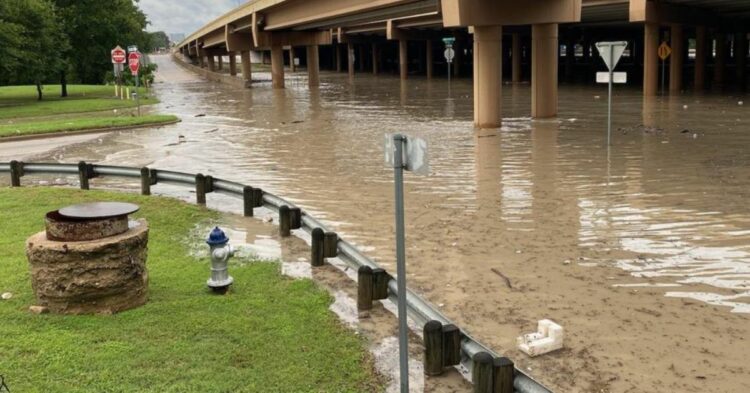
The latest flash flood warning has put millions across North Texas on alert as dangerous storms continue moving through the region. The severe weather outbreak has already triggered multiple warnings, airport delays, flooded roads, and concerns about additional rainfall Sunday evening. Residents searching for Dallas weather live radar, flash flood warning Dallas, and North Texas storm updates are closely monitoring rapidly changing conditions.
Across the Dallas-Fort Worth metroplex, intense thunderstorms dumped heavy rain Sunday afternoon, leading the National Weather Service to issue a serious flash flood warning for western Dallas County and southeastern Tarrant County. Meteorologists warned that conditions could worsen quickly as another round of storms develops over North Texas.
Flash Flood Warning Issued for Dallas and Tarrant Counties
The biggest concern Sunday evening remains the ongoing flash flood warning impacting parts of Dallas and Tarrant counties. According to forecasters, between one and two inches of rain had already fallen by late afternoon, with another two inches possible in some areas before the storms finally weaken.
Drivers across North Texas are being urged to avoid flooded roadways as water levels can rise rapidly. Emergency officials stressed that even a small amount of fast-moving water can sweep vehicles away.
The dangerous combination of torrential rain, poor drainage, and repeated thunderstorm activity has made the Dallas weather live radar one of the most watched weather trackers in Texas today.
Dallas Weather Live Radar Shows Storms Expanding Across North Texas
The Dallas weather live radar continued to show large storm clusters spreading across the region Sunday evening. Thunderstorms capable of producing damaging wind gusts up to 60 mph and quarter-sized hail have developed across multiple counties.
Meteorologists warned that conditions remain unstable enough for additional severe thunderstorm warnings overnight. Areas under the heaviest rainfall could see sudden street flooding, overflowing creeks, and water-covered highways.
The Memorial Day weekend travel rush has only increased concerns as thousands of Texans remain on the roads or traveling through major airports.
DFW Airport Faces Major Delays Due to Thunderstorms
Severe weather has also disrupted air travel across North Texas. Dallas Fort Worth International Airport experienced significant ground delays because of nearby thunderstorms.
Flights departing DFW were delayed for more than an hour in some cases as lightning and heavy rain moved across airport operations areas. Travelers were advised to check airline updates continuously due to changing weather conditions.
Dallas Love Field also experienced temporary disruptions earlier in the evening before operations resumed after the ground stop expired.
The storm system impacting the region has turned the flash flood warning Dallas situation into one of the most serious weather events North Texas has faced in recent weeks.
North Texas Residents Urged to Stay Indoors
Weather officials are advising residents to stay indoors during the strongest storms. Dangerous lightning, hail, and high winds remain major threats alongside flash flooding.
People living in flood-prone areas are being encouraged to monitor local alerts carefully and prepare for rapidly changing conditions. Officials warned residents not to drive through flooded intersections, underpasses, or low-lying roads.
The severe weather threat comes as many families prepare for outdoor Memorial Day activities, but forecasters say conditions could remain unpredictable into Monday.
Sunday Forecast Brings Storms, Fog and Changing Conditions
Sunday morning began with patchy fog and cloudy skies across much of North Texas before temperatures warmed into the low-to-mid 80s. As moisture and instability increased during the afternoon, thunderstorms rapidly intensified.
The National Weather Service said temperatures are expected to fall into the upper 60s overnight, though humidity levels will remain high.
At the same time, an air quality alert has also been issued for the Dallas-Fort Worth metroplex because atmospheric conditions are helping trap ozone pollution near the ground. Health officials recommend limiting prolonged outdoor activity for sensitive groups.
Memorial Day Forecast Still Includes Rain Chances
Unfortunately for holiday travelers, the unsettled weather pattern is expected to continue through Memorial Day and much of next week.
Forecasters say North Texas could see repeated chances for showers and thunderstorms beginning Monday and continuing through Thursday. While not every day will bring severe weather, periods of heavy rain remain possible.
Extended Dallas-Fort Worth Forecast
Monday (Memorial Day):
Partly cloudy, warm, with scattered thunderstorms possible. High near 84 degrees.
Tuesday:
Humid conditions continue with increasing storm chances late at night. High near 86 degrees.
Wednesday:
Higher rain chances expected with widespread thunderstorms possible across North Texas.
Thursday:
Partly sunny and warm with lingering storm chances.
The repeated rain chances mean the flash flood warning threat may continue returning throughout the week if storms repeatedly move across the same areas.
Flash Flood Warning Dallas Situation Remains Serious
Emergency crews across the metroplex continue monitoring road conditions, drainage systems, and flooded intersections as additional rainfall develops.
Residents are strongly encouraged to keep checking the Dallas weather live radar and follow updates from the National Weather Service throughout the evening. Weather experts say storms can intensify quickly, especially during late spring severe weather season in Texas.
With Memorial Day travel underway, the combination of heavy rain, thunderstorm activity, flight delays, and flash flooding has created dangerous conditions across North Texas.
The developing flash flood warning Dallas situation serves as another reminder of how quickly severe weather can impact the region during peak storm season.