Stick to the Facts
Add Nbsla.ca as a Preferred Source on Google to see more of our stories in your search results.

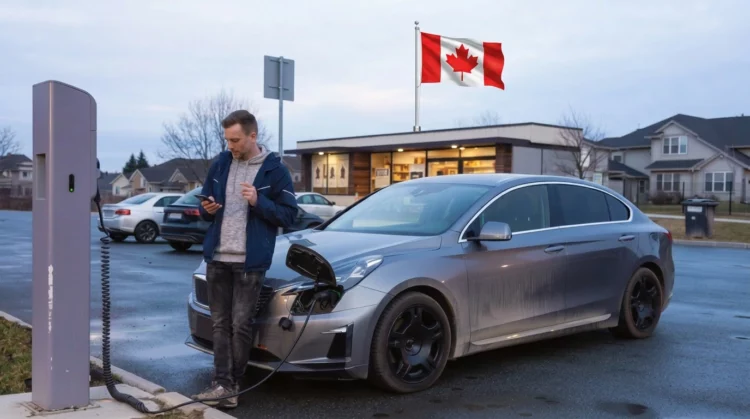
Rising fuel costs and renewed government incentives are reshaping how Canadians think about their next vehicle. After a period of declining enthusiasm, interest in electric vehicles is climbing again, driven by a mix of economic pressure and improved affordability.
A new national survey shows a clear shift. More Canadians are now open to making the switch to electric, and the reasons behind this change reveal a lot about the current financial landscape.
A Noticeable Shift in Consumer Interest
More Canadians Are Considering Electric Vehicles
Interest in electric vehicles has rebounded in 2026. Nearly half of Canadians who do not currently own an EV say they would consider buying one. That marks a clear increase from the previous year and signals the first meaningful rise in demand since 2022.
This shift is not happening in isolation. It reflects a broader change in how consumers are responding to rising living costs and long-term transportation expenses.
What Is Driving the Change
Two major factors are influencing this renewed interest. The first is the sharp increase in gas prices, which has made traditional vehicles more expensive to operate. The second is the return of federal incentives that reduce the upfront cost of buying an electric vehicle.
Together, these factors are making EVs more appealing than they have been in recent years.
Benefit Cheques Arriving in May and June 2026: Full Schedule, Amounts, and Who Qualifies
Gas Prices Are Reshaping Decisions
Fuel Costs Are Climbing Rapidly
Gasoline prices across Canada have risen significantly, increasing by nearly half compared to levels seen just a few months earlier. This surge has been partly driven by global supply disruptions linked to geopolitical tensions.
For everyday drivers, this means higher weekly expenses and less predictability when budgeting for transportation.
The Impact on Consumer Behavior
As fuel costs climb, more Canadians are rethinking their reliance on gasoline-powered vehicles. Online search activity for electric vehicles has jumped sharply, especially during periods of peak price increases.
This suggests that many consumers are actively exploring alternatives as they look for ways to reduce long-term costs.
Government Incentives Are Making a Difference
The Return of Federal Rebates
The federal government’s Electric Vehicle Affordability Program has reintroduced incentives that can reduce the cost of a new EV by thousands of dollars. These rebates are designed to make electric vehicles more accessible to a broader range of buyers.
The program is backed by significant funding and is expected to run for several years, although the value of incentives may decrease over time.
Immediate Impact on Sales
The effect of these incentives has been quick and measurable. Sales of new electric vehicles rose sharply following the program’s launch, reversing a period of flat growth.
Consumers appear to be responding directly to the reduced upfront cost, which has historically been one of the biggest barriers to EV adoption.
New vs Used EV Demand Trends
Strong Growth in New EV Sales
New electric vehicles saw a surge in demand shortly after incentives were announced. Buyers who had been waiting for financial support moved quickly once rebates became available.
This led to a noticeable increase in year-over-year sales growth within just a few weeks.
Rising Interest in Used EVs
While new EV sales were driven primarily by incentives, interest in used electric vehicles grew as gas prices climbed. Consumers looking for more affordable options began exploring the second-hand market.
Used EV sales have also increased, although at a more moderate pace compared to new vehicles.
Affordability Still Remains a Key Challenge
High Prices Continue to Be a Barrier
Despite falling prices in recent years, electric vehicles are still relatively expensive. The average cost of a battery electric vehicle remains significantly higher than many traditional cars.
Even though prices have dropped compared to a few years ago, affordability remains a major concern for potential buyers.
Dependence on Incentives
More than half of prospective EV buyers say they would not be able to afford one without government rebates. This highlights how critical financial support is in driving adoption.
Without incentives, many consumers would likely delay or abandon plans to switch to electric.
Could Cheaper EVs Change the Market
Growing Interest in Lower-Cost Options
There is increasing curiosity among Canadians about more affordable electric vehicles, including those produced by international manufacturers. Many potential buyers say they would consider purchasing a lower-priced option if it became available.
Potential Impact of New Entrants
If more affordable EVs enter the Canadian market in the coming years, it could significantly reshape demand. Lower prices would open the market to a much wider range of consumers.
However, regulatory approvals and market entry timelines mean this shift will not happen overnight.
Brand Awareness and Market Perception
Established Brands Still Lead
When Canadians think about electric vehicles, a few well-known brands dominate awareness. These companies have built strong recognition through early adoption and widespread visibility.
Emerging Brands Gaining Attention
At the same time, newer players are beginning to capture interest, even before officially entering the market. This suggests that consumers are paying close attention to global developments in EV technology and pricing.
Will EV Interest Last
More Than a Temporary Spike
While rising gas prices have played a major role in boosting interest, the trend may not be short-lived. Once consumers begin seriously considering electric vehicles, many continue exploring the option even if fuel prices stabilize.
Infrastructure Improvements Add Confidence
Ongoing investments in charging infrastructure are also helping reduce concerns about convenience and accessibility. As charging becomes easier and more widespread, EV ownership becomes more practical for everyday use.
The Bigger Picture
A Shift Driven by Economics
The renewed interest in electric vehicles is not just about environmental awareness. It is increasingly about cost, stability, and long-term savings.
As fuel prices fluctuate and living costs remain high, Canadians are looking for ways to reduce ongoing expenses.
A Market in Transition
The Canadian auto market is in the middle of a transition. Electric vehicles are gaining traction, but challenges around affordability and accessibility remain.
Government incentives, global market trends, and technological advancements will all play a role in shaping what comes next.
Final Thoughts
Canada’s electric vehicle market is seeing renewed momentum, driven by a combination of rising gas prices and government support. More Canadians are now open to making the switch, and early signs show that this interest is translating into real sales growth.
However, affordability remains the key hurdle. Until prices come down further or incentives expand, many consumers will continue to weigh the decision carefully.
What is clear is that electric vehicles are no longer a niche consideration. They are becoming a central part of how Canadians think about transportation in an increasingly uncertain economic environment.