Stick to the Facts
Add Nbsla.ca as a Preferred Source on Google to see more of our stories in your search results.

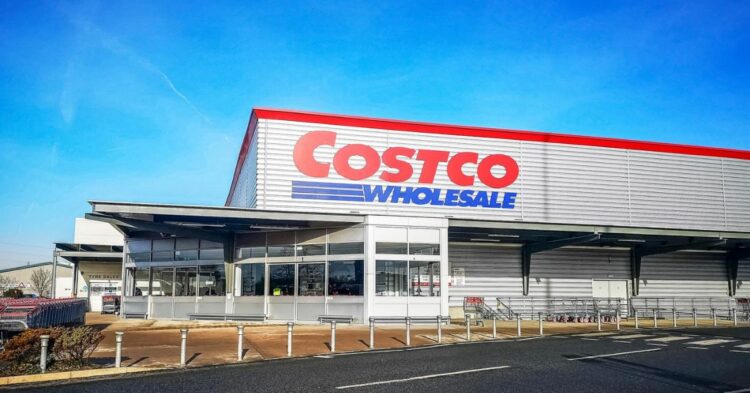
A massive legal and political battle is unfolding around Costco tariff refunds, IEEPA tariff refunds, and consumer compensation after Costco Wholesale asked a federal judge to dismiss a proposed class-action lawsuit demanding that consumers receive a share of billions in tariff refund payments tied to the now-struck-down International Emergency Economic Powers Act tariffs.
The growing Costco tariff refund controversy comes as the federal government struggles to process what could become one of the largest tariff refund operations in modern American history. More than $166 billion in IEEPA tariff refunds are potentially owed to importers after courts struck down multiple tariff programs tied to former President Donald Trump.
But while businesses including Costco seek billions in tariff refunds, ordinary American consumers who paid higher retail prices during the tariff years may never receive any compensation.
The legal fight over Costco tariff refunds, consumer tariff refunds, and IEEPA tariff repayments is now becoming a national debate over who truly bore the financial burden of Trump-era tariffs and who deserves the money being returned.
Costco Moves to Dismiss Consumer Tariff Refund Lawsuit
Costco Wholesale formally asked a federal judge in Chicago to dismiss the proposed class-action lawsuit filed by Illinois resident Matthew Stockov, who argues consumers are the “true victims” of the tariff system because they ultimately paid inflated prices caused by import taxes.
According to Costco’s legal filing, the lawsuit is premature and legally flawed because the company has not yet received any tariff refund money from the federal government.
Costco also argued that consumers did not suffer direct legal harm simply because prices may have risen during the tariff period.
The retailer stated that customers still received the products they purchased and that businesses cannot automatically be held liable if costs contributing to retail pricing later disappear.
The Costco tariff refund lawsuit highlights a central issue surrounding the $166 billion refund process: tariff refunds legally go only to importers who originally paid the tariffs to U.S. Customs and Border Protection, not to consumers who may have absorbed those costs through higher prices at stores nationwide.
Justice Amy Coney Barrett Warned Tariff Refund Process Could Become “A Mess”
The enormous IEEPA tariff refund process is already showing signs of becoming exactly the administrative crisis that Amy Coney Barrett warned about during Supreme Court oral arguments in November 2025.
At the time, Barrett cautioned that refunding billions of dollars in tariffs across thousands of importers could become “a mess.”
Four months later, federal filings suggest those concerns are becoming reality.
According to a sworn declaration filed May 12 in the U.S. Court of International Trade, U.S. Customs and Border Protection has processed only about $35.46 billion of the roughly $166 billion in tariff refunds potentially owed to importers.
That means the overwhelming majority of tariff refund claims remain unresolved while businesses, consumers, lawyers, retailers, and government agencies battle over the legal and financial consequences.
Costco Among Thousands of Companies Seeking Tariff Refunds
Costco is itself one of the major importers pursuing tariff refunds from the federal government.
The warehouse retail giant filed its own lawsuit in November 2025 seeking repayment of tariffs paid under the International Emergency Economic Powers Act tariff regime.
In court filings, Costco stated that it has not yet received any refund payments from the government despite ongoing legal proceedings.
The Costco tariff refund dispute demonstrates how deeply Trump-era tariffs affected major retailers dependent on imported products from overseas suppliers.
Like many other large retailers, Costco faced rising import costs during the tariff years, costs that economists say were frequently passed on to consumers through higher prices on everyday goods.
Consumers Unlikely to Receive Any Tariff Refund Money
Despite widespread consumer frustration over higher prices during the tariff period, experts say ordinary Americans are unlikely to receive any direct refund payments.
According to the Tax Foundation, Trump-era tariffs effectively amounted to an average tax increase of approximately $1,000 per U.S. household during 2025.
However, Treasury Secretary Scott Bessent said earlier this year that he does not expect consumers to receive tariff refund checks.
Under federal law, tariff refunds are legally paid only to the importing businesses that originally submitted tariff payments to Customs officials.
That legal framework has sparked growing anger among consumer advocates who argue corporations could receive billions in refunds even though consumers absorbed much of the economic pain through higher retail costs.
Matthew Stockov’s lawsuit directly targets that issue, arguing consumers have “no direct avenue for redress” under the current system.
CBP Refund Portal Flooded With Claims
The federal tariff refund system is now processing an enormous number of claims from importers nationwide.
U.S. Customs and Border Protection launched its refund portal, known as the Consolidated Administration and Processing of Entries system, on April 20.
As of May 11:
- More than 126,000 refund declarations had been submitted
- About $35.46 billion had been processed
- Roughly $166 billion in total refunds remain under review
- Nearly 1,880 refund claims remain stalled because companies failed to provide banking information
Federal officials are now under pressure to manage one of the largest refund operations in modern trade history while additional lawsuits continue emerging.
The situation is further complicated because multiple Trump tariff programs have now been struck down by courts under different legal theories.
Donald Trump Continues Pursuing New Tariff Strategies
Even as courts dismantle earlier tariff programs, Donald Trump continues pursuing new import tariffs under different federal statutes.
Hours after the Supreme Court struck down the IEEPA tariffs earlier this year, Trump imposed a new 10% global tariff under separate legal authority.
That tariff was also struck down by a federal trade court on May 7, adding another layer of uncertainty to the broader U.S. tariff landscape.
Trump responded to the ruling by signaling his administration would continue finding alternative legal pathways for tariffs.
“We always do it a different way,” Trump said after the decision.
The former president is now reportedly pursuing tariffs under a third federal statute that could trigger another round of import taxes as early as July.
That means businesses and consumers may face continued uncertainty around pricing, imports, supply chains, and tariff legality for months or even years ahead.
Costco CEO Suggests Members Could Benefit From Refunds
Although Costco wants the class-action lawsuit dismissed, the company has publicly suggested that members could eventually see benefits if tariff refunds arrive.
During Costco’s March 5 earnings call, Costco CEO Ron Vachris said the retailer would look for ways to pass value back to members.
“Our commitment will be to find the best way to return this value to our members through lower prices and better values,” Vachris said.
That statement has become a central talking point in the Costco tariff refund debate because consumers argue it shows companies recognize shoppers indirectly paid for the tariffs through higher prices.
Still, there is currently no legal requirement forcing retailers to distribute tariff refund money directly to customers.
Tariff Refund Legal Battle Could Reshape Future Trade Policy
The Costco tariff refund lawsuit may ultimately become a landmark case in determining how future tariff refunds are handled in the United States.
Legal experts say the case raises major questions involving:
- Consumer rights during tariff disputes
- Corporate responsibility for pricing increases
- Refund distribution rules
- Import taxation systems
- Federal trade authority
- Economic harm caused by tariffs
The broader IEEPA tariff refund process is also exposing the immense complexity of unwinding large-scale trade policies after courts intervene.
Justice Amy Coney Barrett’s warning that the tariff refund system could become “a mess” now appears increasingly accurate as courts, importers, retailers, government agencies, and consumers battle over billions of dollars tied to the Trump tariff era.
For now, Costco consumers and millions of other Americans who paid higher prices during the tariff years remain uncertain whether they will ever see direct financial relief while businesses continue pursuing billions in federal tariff refunds.