Stick to the Facts
Add Nbsla.ca as a Preferred Source on Google to see more of our stories in your search results.

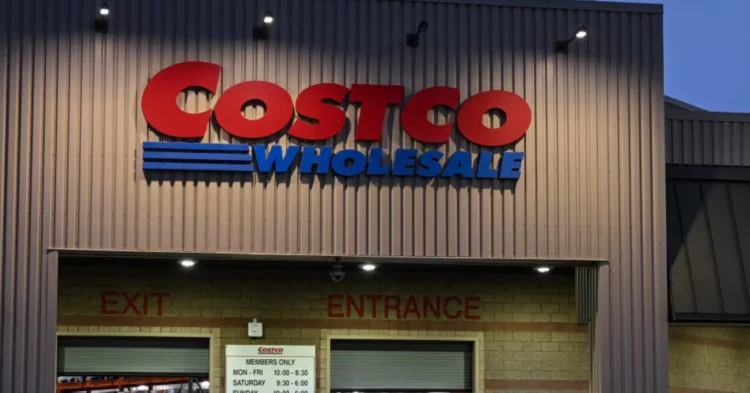
The warehouse retail giant Costco has announced plans to return tariff refund money to its members if and when it receives reimbursements from the United States government. The announcement comes as thousands of businesses seek repayment of tariffs that were collected under trade measures later struck down by the U.S. Supreme Court.
The development places Costco at the center of a growing national debate over who should ultimately benefit from tariff refunds: corporations that paid the duties, consumers who absorbed higher prices, or a combination of both.
At the same time, the retailer continues to post impressive financial results, reporting strong sales growth, record gasoline demand, expanding pharmacy revenues, and increased consumer interest in high-protein products driven by the popularity of weight-loss medications such as Ozempic.
As legal challenges continue and billions of dollars in tariff refunds move through the federal system, Costco’s approach could become a model for how major retailers handle reimbursements linked to invalidated government trade policies.
Costco Promises to Return Tariff Refunds to Members
Costco Chief Executive Officer Ron Vachris confirmed during the company’s latest earnings call that the retailer intends to pass tariff refund benefits back to its membership base.
The company is among thousands of businesses pursuing reimbursement after the U.S. Supreme Court ruled that the tariffs imposed under former President Donald Trump’s trade policies exceeded presidential authority.
According to Vachris, Costco has already started submitting refund applications and expects payments to arrive gradually over the coming months.
Rather than keeping the money, the retailer says its intention is to ensure members receive the benefit of refunds related to tariff costs that were previously incorporated into product pricing.
The announcement is significant because it directly addresses concerns raised by consumers and legal advocates who argue that shoppers ultimately paid many of the tariff-related expenses through higher retail prices.
Why Costco Members Could Receive Refund Benefits
Tariffs function as taxes on imported goods. While importers technically pay the duties when products enter the country, those costs are often passed along throughout the supply chain.
Manufacturers may increase wholesale prices, distributors may add surcharges, and retailers may adjust shelf prices to compensate for the added expense.
As a result, many consumers indirectly paid the tariffs through higher prices on everyday products.
Costco’s leadership acknowledged this reality by stating that any refunds received from the government would likely be returned to members in some form.
However, company executives have not yet specified exactly how that reimbursement process would work.
Potential options could include:
Direct Member Credits
Members could receive credits applied to their Costco accounts.
Special Discounts
The retailer could offer temporary price reductions across selected categories.
Membership Fee Benefits
Costco could provide membership renewals, rebates, or promotional rewards linked to refund amounts.
Storewide Savings Programs
The company could distribute tariff-related savings broadly through lower prices across multiple product categories.
The final approach will depend largely on the amount of money Costco receives and the outcome of ongoing litigation.
Class-Action Lawsuit Adds Complexity to Costco’s Plans
Costco is also facing a class-action lawsuit in the United States regarding tariff refunds.
The lawsuit argues that any reimbursement received by the retailer should be directed toward members and consumers rather than retained by the corporation.
Although Costco has already publicly stated its intention to return the money, the legal action could influence how refunds are distributed and how the process is supervised.
Vachris acknowledged that the lawsuit remains an important factor in determining both the timing and structure of any future refund program.
The retailer must balance legal obligations, accounting considerations, and operational logistics before implementing a large-scale reimbursement initiative.
Given Costco’s enormous membership base, any refund distribution program would likely be one of the largest consumer reimbursement efforts ever undertaken by a retailer.
The Supreme Court Ruling That Triggered the Refund Battle
The refund controversy stems from a landmark Supreme Court decision issued earlier this year.
The court ruled that President Donald Trump exceeded his constitutional authority when imposing broad tariffs under the International Emergency Economic Powers Act (IEEPA).
The decision invalidated tariffs that had been applied to imports from numerous countries beginning in April 2025.
Because the tariffs were ruled unlawful, businesses that paid the duties became eligible to seek reimbursement from the federal government.
The ruling immediately opened the door to billions of dollars in refund claims from importers across multiple industries, including retail, manufacturing, technology, consumer goods, and automotive sectors.
Billions of Dollars Are at Stake
The scale of the potential repayments is enormous.
According to court filings and government estimates:
- The U.S. government collected approximately $166 billion in invalidated tariffs.
- Refund applications totaling roughly $85 billion had already been submitted by late May.
- More than $20 billion in refunds had been approved for payment.
- Approximately 330,000 importers may ultimately qualify for reimbursement.
These figures make the tariff refund process one of the largest government repayment efforts in recent U.S. history.
Trump Administration Appeals Could Delay Refund Payments
While refunds have already begun reaching some businesses, the process faces new uncertainty.
The Trump administration has announced plans to appeal a federal court order that would allow all eligible importers to seek refunds.
Government lawyers argue that refunds should be limited primarily to companies that actively challenged the tariffs in court.
This position has generated significant controversy because it could prevent many businesses from recovering money collected under a policy later deemed unlawful.
Federal Judge Pushes for Faster Refund Processing
Judge Richard K. Eaton of the U.S. Court of International Trade has taken an active role in overseeing the refund process.
The judge questioned government officials regarding how long it would take to reimburse all eligible businesses and whether additional measures might be necessary to accelerate payments.
Eaton emphasized that the government has an obligation to return unlawfully collected duties.
His comments signal growing judicial pressure to ensure businesses receive reimbursements without unnecessary delays.
If the administration’s appeal succeeds, however, the pace and scope of refunds could change significantly.
Costco Delivers Strong Financial Performance Despite Legal Challenges
While the tariff dispute continues, Costco remains one of the strongest performers in the retail industry.
For the quarter ending May 10, the company reported net sales of $69.15 billion.
That represented growth of more than 11 percent compared with the same period a year earlier.
The results exceeded analyst expectations and demonstrated the company’s ability to attract value-focused shoppers even during periods of economic uncertainty.
Several key business segments contributed to the retailer’s success.
Costco’s Gas Stations Experience Record Demand
One of the company’s standout performers was its fuel business.
Costco reported record gasoline volumes as consumers searched for lower-priced fuel options amid rising energy costs.
The increase in fuel demand has been linked in part to global geopolitical tensions, including the conflict involving Iran, which has contributed to higher energy prices.
Why Fuel Sales Matter to Costco
Gasoline serves a strategic role within Costco’s business model.
Members who regularly purchase fuel often visit warehouses more frequently and tend to spend more during shopping trips.
The company’s ability to offer competitive fuel pricing strengthens customer loyalty while driving additional warehouse traffic.
According to company leadership, the surge in fuel demand could produce long-term benefits by increasing member engagement and retention.
Pharmacy Business Gains Momentum from Weight-Loss Drug Demand
Another major growth driver has been Costco’s pharmacy division.
Demand for weight-loss medications continues to expand rapidly across North America, creating new opportunities for retailers with strong pharmacy operations.
Ozempic and Similar Drugs Boost Pharmacy Revenue
Popular medications such as Ozempic have transformed the pharmaceutical landscape.
Patients increasingly seek affordable options for prescriptions that can cost hundreds or even thousands of dollars annually.
Costco’s reputation for competitive pricing has positioned the company as an attractive destination for consumers seeking lower-cost access to these medications.
Executives noted that the value proposition offered through Costco pharmacies is helping members obtain expensive treatments more affordably.
This trend has contributed to stronger pharmacy sales and increased customer engagement.
The Rise of High-Protein Diets Is Creating New Retail Opportunities
The popularity of weight-loss medications has also influenced food purchasing behavior.
Consumers using drugs like Ozempic often focus on protein-rich diets to support weight management and preserve muscle mass.
Costco has responded by expanding offerings in several fast-growing product categories.
Protein Products Become Major Sellers
According to company executives, protein-focused products are experiencing exceptional demand.
Some of the strongest-performing categories include:
- Protein bars
- Protein snacks
- Beef sticks
- High-protein meal options
- Nutritional supplements
The retailer says it is increasing its focus on these products because consumer demand continues to accelerate.
This shift illustrates how broader health and wellness trends can quickly reshape purchasing patterns within the retail industry.
Consumer Lawsuits Expand Beyond Costco
Costco is not the only company facing scrutiny over tariff-related pricing.
A separate lawsuit has been filed against Amazon, alleging that consumers paid higher prices because of tariffs later deemed unlawful.
The lawsuit argues that Amazon benefited from tariff-driven price increases and should seek refunds from the government.
Amazon Faces Consumer Pressure
Plaintiffs claim that Amazon collected substantial revenue linked to tariff-related price increases while failing to pursue reimbursement efforts aggressively.
The lawsuit further alleges that consumers have no direct mechanism to recover tariff costs from the federal government, leaving litigation against retailers as their primary option.
Amazon has not publicly embraced a refund strategy similar to Costco’s pledge.
As a result, the contrast between the two companies could become an important factor in public perception and future legal debates.
What Costco Members Should Expect Next
For Costco members hoping to benefit from tariff refunds, patience may be necessary.
Several important developments must occur before any reimbursement program can be implemented.
Government Refund Processing Must Continue
Costco first needs to receive money from the federal government.
Although applications are already being processed, the timeline remains uncertain.
Legal Challenges Must Be Resolved
Ongoing appeals and class-action litigation could influence how refunds are distributed.
Court decisions may establish new requirements or limitations.
Costco Must Finalize a Distribution Method
The company has not yet determined exactly how members will receive benefits.
Executives have indicated that the approach will depend on the size and timing of refund payments.
Why Costco’s Decision Could Set an Industry Standard
Costco’s commitment to returning tariff refunds represents a notable departure from traditional corporate reimbursement practices.
Many businesses view government refunds as corporate assets, even when consumers indirectly paid higher prices.
By publicly pledging to share refunds with members, Costco is positioning itself as a consumer-focused retailer willing to pass financial benefits directly to shoppers.
If successful, the strategy could strengthen customer loyalty, enhance the company’s reputation, and potentially encourage other retailers to adopt similar approaches.
As billions of dollars in tariff refunds move through the legal system, Costco’s actions may become a defining example of how corporations balance shareholder interests with consumer expectations.
Final Thoughts
Costco finds itself at the intersection of major legal, economic, and consumer issues. The retailer is pursuing reimbursement for tariffs that were later ruled unlawful, while simultaneously promising to return those benefits to members.
The company’s position comes amid ongoing lawsuits, government appeals, and one of the largest refund programs ever associated with international trade policy.
At the same time, Costco continues to post impressive financial results, fueled by strong warehouse sales, record gasoline demand, growing pharmacy revenue, and surging interest in protein-focused products.