Stick to the Facts
Add Nbsla.ca as a Preferred Source on Google to see more of our stories in your search results.

International travel remains appealing as ever, but it is also becoming more complex. Rising operational costs for airlines, fluctuating fuel prices, and geopolitical instability are all influencing how and where people travel. In response to evolving global risks, Canada has updated its official travel advisories for several popular destinations, including the Dominican Republic, Italy, South Africa, Tanzania, and Sri Lanka.
These advisories are designed to help travellers make informed decisions by highlighting safety concerns, crime trends, health risks, and political conditions in destination countries. While none of these destinations are entirely off-limits, each comes with specific cautions that travellers should carefully consider before booking or departing.
This article breaks down the latest advisory updates in detail, helping you understand the real-world risks and how to stay safe while travelling abroad.
Why Canada Issues Travel Advisories and Why They Matter
Canada’s Travel Advice and Advisories system is maintained by the federal government to support citizens travelling outside the country. It continuously monitors global developments using intelligence reports, diplomatic sources, local law enforcement updates, and international safety data.
The purpose is not to discourage travel but to ensure travellers are aware of potential risks such as:
- Violent and petty crime trends
- Terrorism threats
- Political instability and civil unrest
- Health crises or infrastructure limitations
- Transportation and logistical disruptions
In today’s travel environment, these advisories are increasingly important due to unpredictable global conditions. They are especially relevant when visiting countries experiencing social tension, economic strain, or security challenges.
Dominican Republic: Rising Concerns Over Crime and Tourist Safety
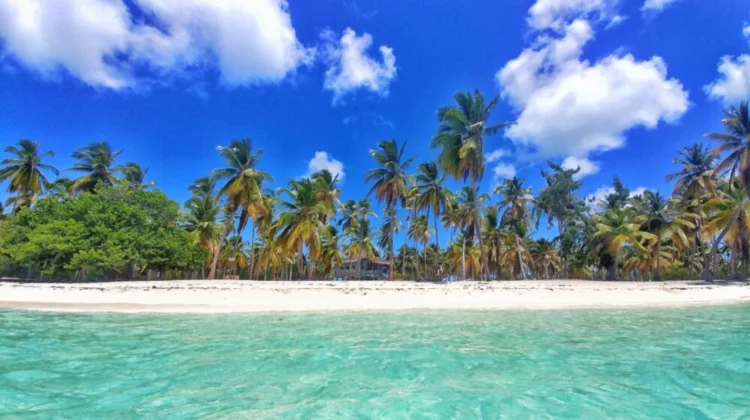
The Dominican Republic remains one of the most visited Caribbean destinations, known for its beaches, resorts, and all-inclusive tourism industry. However, Canada’s updated advisory highlights ongoing concerns related to crime across the country.
High Levels of Crime in Urban and Tourist Areas
Crime remains the most significant issue for travellers. Incidents occur in both urban centres and tourist regions, although cities tend to experience higher rates of violent crime. Authorities in some areas may struggle to respond quickly, particularly outside resort zones.
Petty Crime Targeting Tourists
Petty theft is widespread and includes:
- Pickpocketing in crowded areas
- Bag-snatching in public spaces
- Phone theft from pedestrians
- Theft of unattended belongings
Tourists are often targeted because they are perceived as carrying cash, electronics, and valuables. Crime rates may increase during peak holiday seasons when tourist numbers rise.
Violent Crime and Safety Concerns
More serious crimes, including armed robbery and assault, also occur. Some incidents involve foreigners. These are more common after dark and in less monitored urban areas.
Sexual assault cases have also been reported, including in resort settings. While such incidents are not representative of all tourism experiences, they remain a concern that travellers should take seriously.
Safety Recommendations
Travellers are advised to:
- Avoid walking alone at night
- Keep valuables out of sight
- Use hotel safes
- Be cautious in crowded areas
- Report any incidents immediately to local authorities and Canadian consular services
Tanzania: Crime, Kidnapping Risks, and Terrorism Threats
Tanzania is known for its natural beauty, including safaris and island destinations like Zanzibar. However, Canada’s advisory emphasizes a combination of crime risks and regional security threats.
Violent Crime Across the Country
Crime can occur anywhere, including major cities and tourist regions. Incidents include:
- Armed robbery
- Burglary
- Physical assault
- Sexual violence
Travellers are encouraged to stay in accommodations with strong security and avoid isolated areas, especially at night.
Express Kidnapping Incidents
One of the most serious concerns is the occurrence of “express kidnappings.” These typically involve victims being abducted temporarily and forced to withdraw money from ATMs.
These incidents have been reported near:
- Airports
- Bus stations
- Ferry terminals
- Hotel zones in Dar es Salaam and Zanzibar
Victims are sometimes held overnight for multiple withdrawals, increasing financial and personal risk.
Terrorism Risk in the Region
Tanzania is also considered vulnerable due to its proximity to areas where terrorist groups operate. While attacks within Tanzania are not frequent, the possibility cannot be ruled out.
Safety Advice
Travellers should:
- Use trusted transportation services
- Avoid displaying wealth or valuables
- Be cautious when using ATMs
- Avoid isolated areas and poorly lit streets
- Stay informed about local security updates
South Africa: High Crime Rates and Urban Safety Challenges
South Africa remains a major global tourist destination, known for its landscapes, wildlife, and cultural attractions. However, Canada’s advisory highlights a significant level of serious crime throughout the country.
Widespread Violent Crime
Violent crime occurs frequently and can affect both locals and tourists. Risk levels are particularly high in:
- Major urban centres
- Townships
- Isolated or poorly lit areas
Incidents include robbery, assault, and carjackings, often involving weapons.
Safety in Cities and Tourist Areas
Tourists are advised to be extremely cautious in cities, especially after dark. Even popular urban districts may experience opportunistic crime.
Recommended precautions include:
- Staying in secure accommodation
- Keeping doors and windows locked
- Avoiding walking at night
- Remaining alert in public spaces
Petty Crime in Crowded Locations
Pickpocketing and bag-snatching are common in:
- Markets
- Tourist attractions
- Public transport hubs
Criminals may work in groups and use distraction tactics to divert attention.
Advice During an Attack
Authorities recommend compliance during robberies. Resistance may escalate danger, and travellers are encouraged to avoid sudden movements or confrontation.
Italy: Terrorism Threats and Persistent Pickpocketing Risks
Italy continues to be one of Europe’s most visited countries, attracting millions of tourists each year. While generally safe for travellers, Canada’s advisory notes two key concerns: terrorism and petty crime.
Terrorism Threat Across Europe
Italy, like other European countries, faces a general threat of terrorism. Although attacks are not common, the possibility exists. European cities have experienced incidents in the past, leading to increased vigilance in public spaces.
As a result, travellers may notice:
- Increased police and military presence
- Security checks in tourist areas
- Surveillance at major landmarks
Pickpocketing and Distraction Theft
Petty crime is the most frequent issue for tourists in Italy. Pickpocketing and bag-snatching are particularly common in:
- Major cities such as Rome, Milan, and Florence
- Train stations and public transit
- Popular landmarks like the Colosseum and Vatican areas
Criminals often work in teams, using distraction techniques to steal belongings without the victim noticing.
Safety in Social Situations
Travellers are advised to remain cautious when interacting with strangers in social environments. Drinks or food should never be left unattended, as there have been reports of substances being used to facilitate theft or assault.
Practical Safety Tips
- Keep valuables secured and out of sight
- Use anti-theft bags or money belts
- Stay alert in crowded areas
- Avoid accepting unsolicited food or drinks
Sri Lanka: Fuel Shortages, Protests, and Infrastructure Limitations
Sri Lanka remains a popular destination for cultural tourism and beach holidays, but ongoing economic challenges continue to affect daily life and travel conditions.
Fuel Supply Restrictions
Fuel availability remains limited in some regions. Priority access is often given to essential services and tourism-related transportation providers. This can impact:
- Rental vehicle availability
- Public transportation schedules
- Travel flexibility across regions
Government Service Disruptions
To manage resources, certain government services operate on reduced schedules. Non-essential services may be closed on specific days, which can affect administrative support and public access.
Demonstrations and Civil Unrest
Protests occur frequently, especially in the capital city Colombo. While many demonstrations are peaceful, some have escalated into violent situations involving:
- Tear gas
- Water cannons
- Road closures
- Heavy police presence
Travellers are advised to avoid protest areas and monitor local news.
Landmine Risk in Certain Regions
Despite ongoing clearance efforts, some areas—particularly in the Jaffna Peninsula and parts of eastern Sri Lanka—may still contain unexploded landmines or marked danger zones. Travellers should avoid rural or restricted areas.
Safety Recommendations
- Plan travel with fuel availability in mind
- Avoid demonstrations and large gatherings
- Follow local authority instructions
- Stay in updated accommodation areas with reliable services
Final Thoughts: Making Informed Travel Decisions in 2026
Global travel is still very much possible and rewarding, but it requires more awareness than ever before. Canada’s updated travel advisories for the Dominican Republic, Italy, South Africa, Tanzania, and Sri Lanka highlight a common theme: risks are often manageable with preparation, but they should not be ignored.
Most issues identified in these destinations fall into predictable categories such as petty theft, localized crime, transportation disruptions, and political instability. However, some regions also present more serious concerns like violent crime, kidnapping risks, or terrorism threats.
Travellers can significantly reduce their risk by:
- Staying informed through official advisories
- Avoiding high-risk areas, especially at night
- Securing belongings and limiting visible valuables
- Using reputable transportation and accommodation providers
- Remaining aware of local conditions and cultural contexts