Stick to the Facts
Add Nbsla.ca as a Preferred Source on Google to see more of our stories in your search results.

The aviation landscape between Belgium and the Democratic Republic of the Congo (DRC) is entering a significant new chapter as Air Congo prepares to launch direct flights between Brussels and Kinshasa on July 1. This long-awaited development ends Brussels Airlines’ exclusive position on one of Africa’s most historically important long-haul air routes and introduces a new era of competition, connectivity, and travel opportunities.
For decades, the Brussels–Kinshasa corridor has been one of the busiest and most strategically important routes linking Europe with Central Africa. It serves not only tourists but also business executives, government officials, students, aid workers, and one of Europe’s largest Congolese diaspora communities. The arrival of Air Congo introduces greater travel flexibility while creating fresh opportunities for tourism growth, economic cooperation, and international mobility.
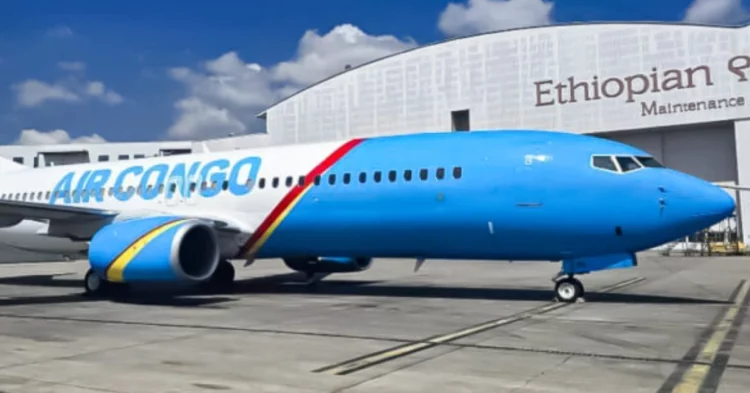
Operating four weekly nonstop flights using a modern Boeing 787-9 Dreamliner leased from Ethiopian Airlines, Air Congo is making an ambitious entrance into the European long-haul market. The move represents much more than the launch of a new airline route—it reflects growing confidence in the demand for direct travel between the two capitals and highlights the increasing importance of stronger aviation links between Europe and Africa.
Air Congo Breaks Brussels Airlines’ Longstanding Monopoly
For many years, Brussels Airlines has remained the only carrier operating nonstop flights between Brussels and Kinshasa. The absence of direct competition meant travelers had limited choices when selecting flight schedules, ticket prices, and onboard services.
Air Congo’s entry into the market changes this dynamic considerably.
Beginning July 1, passengers will have an additional airline option for nonstop travel between Belgium and the Democratic Republic of the Congo. Increased competition generally encourages airlines to improve service quality, optimize schedules, and introduce more competitive pricing strategies.
The opening of the route to multiple carriers represents an important milestone for passengers who have long relied on a single airline for direct access between the two countries.
Flight Schedule Designed for Long-Haul Convenience
Air Congo will initially operate four weekly flights between Kinshasa and Brussels.
Flights are scheduled on:
Wednesday
Wednesday services provide midweek flexibility for both business and leisure travelers.
Friday
Friday departures are expected to be particularly attractive for weekend travel and short business trips.
Saturday
Weekend flights offer additional convenience for families, tourists, and diaspora travelers.
Sunday
Sunday operations allow passengers to return before the start of the workweek while supporting business connections.
The planned schedule includes:
Departure from Kinshasa: 10:00
Arrival in Brussels: 19:00
Return departure from Brussels: 20:45
Arrival in Kinshasa: 03:45 local time
These timings have been designed to accommodate long-haul passengers while providing opportunities for onward connections within Europe.
Boeing 787-9 Dreamliner Brings Modern Passenger Comfort
Air Congo has selected the Boeing 787-9 Dreamliner for its European operations, utilizing an aircraft leased from Ethiopian Airlines.
The Dreamliner has become one of the world’s preferred aircraft for long-distance international routes due to several passenger-focused advantages.
Improved Cabin Comfort
The aircraft offers higher cabin humidity and lower cabin altitude, helping reduce passenger fatigue during lengthy flights.
Larger Windows
Passengers benefit from larger electronically dimmable windows that enhance the overall travel experience.
Reduced Noise Levels
The Dreamliner’s quieter cabin creates a more comfortable environment throughout the journey.
Greater Fuel Efficiency
Modern fuel-efficient technology helps airlines operate long-haul routes more economically while reducing environmental impact compared to older aircraft.
For travelers flying between Brussels and Kinshasa, these features contribute to a significantly more comfortable nonstop journey.
Why the Brussels–Kinshasa Route Holds Strategic Importance
The connection between Brussels and Kinshasa extends far beyond tourism.
Historical, cultural, political, and economic relationships have created one of Europe’s most important aviation links with Central Africa.
Every year, thousands of passengers travel between the two capitals for numerous purposes, including family reunions, business meetings, diplomatic missions, educational opportunities, humanitarian work, and leisure tourism.
Because of these diverse travel needs, demand for reliable nonstop flights has remained consistently strong.
Adding another airline to the route strengthens overall market resilience while improving accessibility for travelers.
Tourism Stands to Benefit from Greater Connectivity
Direct flights play a vital role in encouraging international tourism.
When travelers can reach destinations more conveniently without lengthy layovers or complicated connecting itineraries, they are often more willing to visit.
Air Congo’s new service has the potential to stimulate tourism in both directions.
European travelers interested in exploring the Democratic Republic of the Congo may find improved flight availability more attractive.
Likewise, Congolese visitors traveling to Belgium gain another convenient nonstop option.
Greater airline competition can also encourage tourism boards, travel agencies, and destination marketing organizations to promote both destinations more aggressively.
Business Travel Receives a Significant Boost
The Brussels–Kinshasa air corridor supports extensive commercial activity.
Companies operating across Europe and Central Africa rely heavily on efficient air connections for executives, investors, consultants, and technical specialists.
The introduction of another nonstop operator provides businesses with increased scheduling flexibility while reducing dependence on a single airline.
Greater capacity may also improve booking availability during busy travel periods, allowing companies to plan international trips more efficiently.
As commercial ties continue expanding between Belgium and the Democratic Republic of the Congo, improved air connectivity supports broader economic cooperation.
Supporting the Congolese Diaspora
Belgium is home to one of Europe’s largest Congolese communities.
For many families, direct flights between Brussels and Kinshasa represent more than transportation—they provide an essential connection between relatives, cultures, and communities.
Many travelers make regular trips for family visits, weddings, cultural celebrations, educational purposes, or personal obligations.
Additional nonstop capacity helps improve travel flexibility during peak demand periods such as holidays and school vacations.
More flight options may also help ease pressure during periods when existing services are heavily booked.
Enhanced Passenger Choice Creates Market Competition
Competition typically delivers several advantages for travelers.
With two airlines operating the same nonstop route, passengers may experience:
Greater schedule flexibility
More seating availability
Competitive airfare pricing
Improved customer service
Enhanced loyalty program offerings
Additional travel package opportunities
Airlines competing directly often invest more heavily in customer experience, onboard services, and operational reliability.
These improvements benefit passengers regardless of which carrier they choose.
Brussels Airport Strengthens Its Position as a European Gateway
The addition of Air Congo reinforces Brussels Airport’s importance as a major international hub connecting Europe with Africa.
Brussels already serves numerous African destinations, and the arrival of another long-haul airline further diversifies its network.
Additional international services help airports attract transit passengers, strengthen airline partnerships, and expand route development opportunities.
Improved connectivity can also support local businesses, hotels, restaurants, transportation providers, and tourism operators throughout the Brussels metropolitan region.
Kinshasa Expands International Aviation Presence
For Kinshasa, Air Congo’s European expansion represents an important milestone in the city’s aviation development.
Increasing nonstop connections to Europe enhances the capital’s accessibility for international visitors while supporting economic growth.
Improved connectivity benefits multiple sectors, including hospitality, conferences, investment, trade, education, and tourism.
As international airlines continue expanding their networks across Africa, stronger global links become increasingly important for attracting foreign investment and visitor spending.
Tourism Businesses Could Experience Increased Demand
Greater airline capacity often produces positive effects throughout the tourism industry.
Hotels may benefit from higher visitor numbers.
Restaurants can welcome more international guests.
Local transportation providers may see increased demand.
Tour operators gain opportunities to create new travel packages.
Museums, cultural attractions, and entertainment venues may experience higher attendance.
Improved accessibility helps destinations compete more effectively in international tourism markets.
Air Congo’s European Expansion Signals Long-Term Ambition
Launching nonstop flights to Brussels represents a major strategic step for Air Congo.
Entering Europe’s competitive long-haul market demonstrates confidence in both passenger demand and the airline’s future growth strategy.
Successfully operating international routes often serves as a foundation for future expansion into additional European destinations.
As the airline builds operational experience and brand recognition, more international opportunities could emerge.
This development also reflects broader improvements taking place within African aviation, where regional carriers are increasingly pursuing long-haul growth.
The Importance of Nonstop Travel
For many passengers, nonstop flights remain the preferred option.
Avoiding connecting flights offers several advantages.
Travel times become significantly shorter.
The likelihood of missed connections decreases.
Checked baggage handling becomes simpler.
Passenger fatigue is reduced.
Families traveling with children often find nonstop journeys considerably more convenient.
Business travelers also benefit from predictable schedules and reduced travel complexity.
These factors make direct flights especially valuable on long-distance international routes.
Increased Capacity May Encourage Affordable Travel
Although ticket pricing depends on numerous market factors, additional airline competition often places downward pressure on fares over time.
Travelers may benefit from promotional offers, seasonal discounts, and more flexible pricing strategies as airlines compete for market share.
Affordable airfare can stimulate demand by making international travel accessible to a wider range of passengers.
Higher passenger volumes, in turn, support tourism growth while encouraging airlines to maintain or expand service frequencies.
Aviation Competition Supports Economic Development
Strong aviation networks contribute directly to national and regional economies.
Improved international connectivity facilitates investment, encourages trade, supports education, and promotes tourism.
Airlines also create employment opportunities across airports, maintenance services, hospitality, logistics, and travel industries.
As Brussels and Kinshasa become more closely connected through expanded air services, businesses and communities on both sides may benefit from stronger economic relationships.
Looking Ahead
Air Congo’s launch of direct flights between Brussels and Kinshasa marks one of the most significant developments in Europe–Central Africa aviation in recent years. By ending Brussels Airlines’ exclusive operation of the route, the new service introduces meaningful competition while improving travel options for tourists, business professionals, students, government officials, humanitarian organizations, and the extensive Congolese diaspora.
The combination of modern Boeing 787-9 Dreamliner aircraft, convenient flight schedules, and increased nonstop capacity is expected to strengthen tourism, facilitate international business, and deepen social and cultural connections between Belgium and the Democratic Republic of the Congo.