Stick to the Facts
Add Nbsla.ca as a Preferred Source on Google to see more of our stories in your search results.

The US airline industry is undergoing one of the most significant transformations in modern aviation history. Major carriers including American Airlines, United Airlines, Delta Air Lines, Southwest Airlines, and JetBlue Airways are reshaping their business models as they prepare for an unprecedented surge in travel demand linked to the FIFA World Cup while simultaneously confronting rising operational costs, fuel price volatility, infrastructure constraints, and evolving passenger expectations.
For decades, airlines primarily competed on ticket prices and route networks. Today, that strategy is rapidly changing. Airlines are increasingly investing in premium services, upgraded airport experiences, advanced technology, and operational reliability to attract travelers who now prioritize comfort, convenience, and personalized experiences.
As millions of domestic and international travelers prepare to move across North America, airlines recognize that success will depend on much more than simply transporting passengers from one destination to another. Instead, carriers are building comprehensive travel ecosystems designed to enhance every stage of the journey.
This transformation represents a defining moment for US aviation and could shape the future of air travel for years to come.
Why the FIFA World Cup Is Driving Major Changes Across the Airline Industry
Record-Breaking Travel Demand Is Expected
The FIFA World Cup is expected to generate one of the largest travel surges ever experienced across North America. With matches spread across the United States, Canada, and Mexico, airlines anticipate millions of additional passengers traveling between host cities throughout the tournament.
This extraordinary demand presents both opportunities and challenges for carriers.
Airlines are expanding schedules, optimizing route networks, and increasing operational preparedness to ensure they can accommodate the influx of travelers. The tournament is also providing airlines with an opportunity to showcase customer service capabilities on a global stage.
Airlines Are Becoming Strategic Travel Partners
The role of airlines during major international events has evolved considerably. Travelers increasingly expect carriers to provide flexible solutions, reliable service, and rapid assistance when disruptions occur.
Airlines are no longer viewed solely as transportation providers. Instead, they are becoming essential partners in the overall travel experience, helping passengers navigate complex itineraries, weather-related delays, and changing travel requirements.
The FIFA World Cup serves as a powerful test of how effectively airlines can deliver seamless experiences during periods of exceptional demand.
American Airlines Strengthens Its Position Amid Growing Global Tourism
Customer Service Becomes a Competitive Advantage
American Airlines has emerged as a prominent player in the evolving travel landscape. The carrier gained international attention after helping a stranded football fan continue his journey despite severe weather disruptions.
While seemingly a single customer service success story, the incident highlighted a broader trend within the aviation industry. Airlines increasingly recognize that exceptional service can generate loyalty, strengthen brand reputation, and differentiate them from competitors.
In today’s highly competitive environment, customer experience has become a critical business strategy rather than simply a support function.
Balancing Growth and Financial Discipline
At the same time, American Airlines is carefully evaluating its network strategy to address economic realities.
Higher fuel prices and operational costs are forcing carriers to become more selective when determining where to deploy aircraft and resources. Rather than expanding aggressively across all markets, airlines are focusing on routes that deliver stronger profitability and sustainable demand.
This approach allows American Airlines to pursue growth opportunities while maintaining financial stability during a period of economic uncertainty.
United Airlines Redefines Premium International Travel
A New Vision for Long-Haul Flying
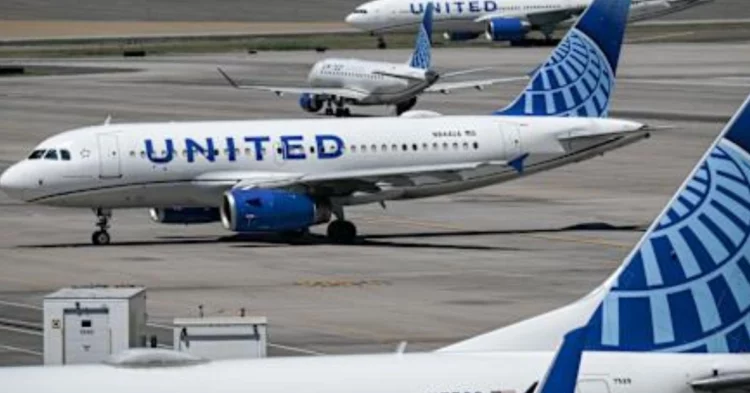
United Airlines is implementing one of the industry’s most ambitious premium travel strategies.
The airline is introducing innovative cabin concepts aboard its future Airbus A321XLR aircraft, signaling a shift toward more flexible and efficient international operations. By utilizing modern narrowbody aircraft on select long-haul routes, United aims to deliver premium experiences while improving operational efficiency.
This strategy reflects a broader industry trend toward maximizing aircraft utilization while meeting rising customer expectations.
Premium Experiences Extend Beyond the Aircraft
United’s investments are not limited to onboard amenities.
The carrier continues expanding premium airport facilities, including lounge enhancements and upgraded passenger services. Modern travelers increasingly evaluate their journeys based on the entire experience rather than solely the flight itself.
From airport arrival to baggage collection, every interaction now plays a role in customer satisfaction.
Airlines understand that premium passengers expect seamless experiences across every touchpoint, making airport infrastructure investments a critical component of long-term growth strategies.
Continued Focus on International Expansion
United remains heavily focused on strengthening its international presence, particularly across transatlantic markets.
Demand for European travel has remained resilient despite economic uncertainties, encouraging airlines to prioritize international connectivity. Enhanced route networks and premium offerings are helping carriers attract both leisure and business travelers seeking elevated travel experiences.
Delta Air Lines Prioritizes Operational Excellence and Reliability
Safety Remains the Industry’s Top Priority
Delta Air Lines recently demonstrated the importance of operational preparedness when emergency responders reacted to concerns involving an arriving aircraft at New York’s John F. Kennedy International Airport.
Although the situation concluded safely, it highlighted the extensive safety protocols that support modern aviation.
Every day, airlines operate within highly complex systems requiring continuous monitoring, rapid decision-making, and coordinated emergency response capabilities. Such incidents reinforce the industry’s unwavering commitment to passenger safety.
Financial Performance Reflects Industry Trends
Delta is also preparing for closely watched financial reporting periods that may provide important insights into traveler behavior and airline performance.
Industry analysts are paying close attention to whether consumers continue prioritizing travel despite inflation and broader economic pressures.
The results could reveal valuable information about future demand patterns and help airlines refine their growth strategies.
Capacity Adjustments Improve Efficiency
Like many competitors, Delta is making strategic adjustments to capacity in selected markets.
Rather than pursuing growth at any cost, airlines are increasingly emphasizing sustainable expansion. Aircraft are being deployed more strategically to maximize profitability while maintaining flexibility in response to changing market conditions.
This disciplined approach is becoming a defining characteristic of modern airline management.
Southwest Airlines Faces New Challenges in a Changing Aviation Environment
Weather Disruptions Continue to Impact Operations
Southwest Airlines remains particularly vulnerable to weather-related disruptions due to its extensive domestic network.
Severe thunderstorms, extreme temperatures, and increasingly unpredictable weather patterns are creating operational challenges throughout the United States. When multiple regions experience disruptions simultaneously, airlines face significant scheduling complexities.
As climate-related events become more frequent, operational resilience is becoming a strategic necessity rather than an optional investment.
Rising Costs Require Strategic Adaptation
The airline industry continues to grapple with increasing expenses related to fuel, labor, maintenance, and infrastructure.
Southwest, like many carriers, must balance competitive pricing with profitability. This challenge is prompting airlines to explore new technologies, operational efficiencies, and revenue-generating opportunities.
Maintaining strong financial performance while preserving customer satisfaction remains a central objective.
Technology Investments Will Shape the Future
Future investments in scheduling systems, predictive analytics, and operational technology are expected to play a major role in Southwest’s long-term strategy.
Advanced technology can help airlines anticipate disruptions, optimize aircraft utilization, and improve communication with passengers during irregular operations.
These capabilities are becoming increasingly important in a rapidly changing travel environment.
JetBlue Intensifies Competition in Premium Leisure Travel
Premium Leisure Travel Continues to Expand
JetBlue Airways is aggressively positioning itself within the growing premium leisure travel segment.
The airline’s expanded deployment of Mint premium cabins reflects increasing confidence that travelers are willing to pay more for comfort, privacy, and enhanced service.
As travel experiences become more important to consumers, premium leisure travel is emerging as one of the aviation industry’s fastest-growing sectors.
Targeting High-Demand Tourism Markets
JetBlue is focusing on strategically important routes connecting major tourism destinations such as California and Florida.
These markets generate consistent demand throughout the year and offer attractive opportunities for premium service expansion.
By concentrating resources on high-performing leisure corridors, JetBlue aims to strengthen its competitive position while attracting higher-spending travelers.
Challenging Traditional Legacy Carriers
JetBlue’s premium strategy places it in direct competition with larger legacy airlines that have historically dominated upscale travel segments.
As more carriers invest in premium products, competition for affluent travelers is expected to intensify significantly throughout the remainder of the decade.
How Rising Fuel Costs Are Reshaping Airline Strategies
Fuel Remains One of Aviation’s Largest Expenses
Fuel continues to represent one of the most significant operating costs for airlines worldwide.
Persistent price volatility is forcing carriers to rethink traditional growth models and prioritize efficiency in every aspect of operations.
Instead of focusing exclusively on market share expansion, airlines are increasingly evaluating profitability, route performance, and long-term sustainability when making strategic decisions.
Modern Aircraft Offer Greater Efficiency
New-generation aircraft are becoming essential tools in the industry’s effort to control costs.
Aircraft such as the Airbus A321XLR provide airlines with improved fuel efficiency, lower operating costs, and expanded route flexibility. These advantages enable carriers to serve international destinations more economically while reducing environmental impact.
Fleet modernization is expected to remain a key industry priority for years to come.
Technology Is Driving Smarter Operations
Airlines are investing heavily in digital transformation initiatives designed to improve efficiency and reduce costs.
Artificial intelligence, predictive maintenance systems, data analytics, and automated scheduling tools are helping carriers optimize operations while enhancing the passenger experience.
Technology is increasingly becoming a competitive differentiator across the aviation sector.
Air Traffic Controller Shortages Create Industry-Wide Challenges
Infrastructure Limitations Restrict Growth
One of the most significant challenges facing US aviation exists beyond airline control.
Air traffic controller shortages continue affecting major airports and airspace systems, particularly in high-traffic regions such as New York.
Even as airlines invest billions in aircraft, facilities, and technology, infrastructure limitations can restrict operational capacity and delay expansion plans.
Regulatory Measures Aim to Improve Reliability
Government agencies and industry stakeholders are implementing measures designed to reduce congestion and improve efficiency.
Schedule adjustments, temporary operational flexibility, and traffic management initiatives are helping airports maintain reliability during periods of high demand.
However, long-term solutions will require substantial investments in staffing, technology, and infrastructure modernization.
The Future Depends on System-Wide Improvements
As travel demand continues growing, infrastructure enhancements will become increasingly important.
Successfully accommodating future passenger volumes will require collaboration between airlines, regulators, airports, and technology providers.
Modernized systems and expanded capacity will be essential to supporting the next generation of aviation growth.
What Travelers Can Expect in 2026 and Beyond
More Premium Experiences Across the Journey
Passengers are entering an era in which travel quality matters as much as ticket affordability.
Airlines are investing in upgraded cabins, enhanced airport facilities, personalized services, and improved digital experiences designed to create smoother journeys.
Travelers can expect greater comfort, better connectivity, and more sophisticated travel options across both domestic and international routes.
Increased Focus on Reliability and Efficiency
Operational resilience is becoming a central priority for airlines.
Carriers are investing in technology, infrastructure, and contingency planning to minimize disruptions and improve reliability. While challenges such as weather events and air traffic limitations will remain, airlines are working to reduce their impact on passengers.
A More Passenger-Centric Aviation Industry
The future of aviation will be defined by a stronger focus on customer needs.
Rather than competing solely on price, airlines are increasingly differentiating themselves through service quality, innovation, and overall travel experience.
This shift could ultimately create a more traveler-friendly aviation environment.
Conclusion: US Airlines Are Building the Future of Aviation
American Airlines, United Airlines, Delta Air Lines, Southwest Airlines, JetBlue Airways, and other major carriers are entering a defining period of transformation. As FIFA World Cup travel demand accelerates and operational pressures intensify, airlines are responding with significant investments in premium services, advanced technology, operational resilience, and customer experience.
The industry’s evolution reflects a broader recognition that modern travelers expect far more than transportation alone. They seek comfort, reliability, flexibility, and seamless experiences throughout every stage of their journeys.