Stick to the Facts
Add Nbsla.ca as a Preferred Source on Google to see more of our stories in your search results.

The airline industry is facing mounting challenges in 2026 as fuel prices continue to soar, placing significant pressure on carriers across the globe. For travelers who have recently searched for flights, one trend has become impossible to ignore: airfares are rising rapidly. Airlines are grappling with increased operational expenses, and many are responding by adjusting their route networks, reducing flight frequencies, and passing some of the added costs on to passengers.
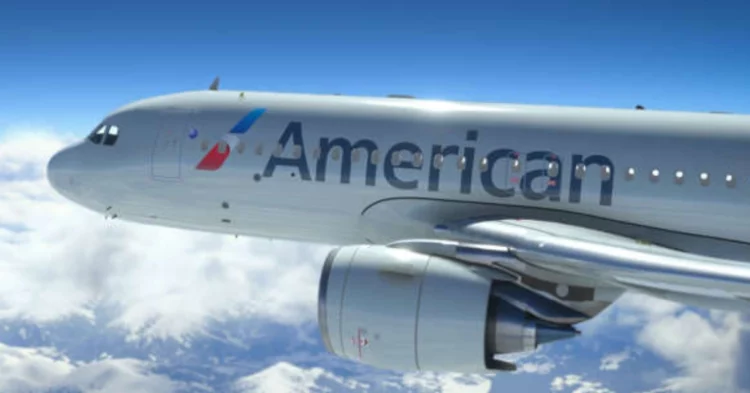
Among the major carriers making changes is American Airlines, which has announced the suspension of six domestic routes during the late summer and early fall travel season. While the airline insists that these suspensions are temporary and part of a broader network optimization strategy, the move highlights the growing impact that rising jet fuel prices are having on airline operations.
For passengers, investors, and industry observers, these route changes offer a glimpse into the challenges facing the aviation sector and what may lie ahead if fuel costs remain elevated.
Why Airlines Are Facing Growing Financial Pressure
The aviation industry has always been highly sensitive to fuel prices. Jet fuel represents one of the largest operating expenses for airlines, often accounting for a substantial portion of total costs.
In recent months, fuel expenses have climbed dramatically, creating financial strain for carriers worldwide. Airlines that were already operating on thin margins now face difficult decisions regarding capacity, route profitability, and pricing strategies.
When fuel costs rise significantly, airlines generally have three options:
Increase Ticket Prices
The most common response is to raise fares. Higher ticket prices allow airlines to recover some of the additional expenses associated with operating flights.
However, there is a limit to how much passengers are willing to pay. Excessive fare increases can reduce demand, especially on leisure routes where travelers are more price-sensitive.
Reduce Flight Frequencies
Airlines may also reduce the number of flights offered on certain routes. This strategy helps lower fuel consumption while maintaining service to important destinations.
By flying fewer planes with fuller passenger loads, carriers can improve efficiency and protect profitability.
Suspend Underperforming Routes
The third option involves temporarily suspending or eliminating routes that generate lower profits.
This approach allows airlines to redirect aircraft and resources toward stronger-performing markets while avoiding losses on routes that have become too costly to operate under current conditions.
American Airlines appears to be using this strategy as it adjusts its network for the months ahead.
The Six Routes American Airlines Is Suspending
American Airlines has confirmed plans to suspend service on six domestic routes.
The affected routes are:
Los Angeles to Cleveland
The route connecting Los Angeles International Airport (LAX) and Cleveland Hopkins International Airport (CLE) will be suspended during the adjustment period.
Los Angeles to Columbus
Flights between Los Angeles and Columbus, Ohio, will also be temporarily removed from the airline’s schedule.
Los Angeles to Pittsburgh
Service connecting Southern California with Pittsburgh will be paused as part of the network review.
Los Angeles to Washington Dulles
The airline is suspending flights between Los Angeles and Washington Dulles International Airport.
Charlotte to Ontario
American Airlines will temporarily discontinue service between Charlotte Douglas International Airport and Ontario International Airport in California.
Charlotte to Sacramento
Flights connecting Charlotte and Sacramento will likewise be suspended during the affected period.
The route suspensions were initially reported by aviation industry observers and later confirmed through airline scheduling data.
When Will These Route Suspensions Take Effect?
Current scheduling information indicates that the route suspensions will occur between early August and early October.
The changes are expected to begin around August 5 and continue through approximately October 5.
This timing is significant because it coincides with a traditionally weaker travel period.
The End of the Summer Travel Rush
During June, July, and early August, airlines benefit from strong demand driven by summer vacations, family travel, and school holidays.
Once summer ends, demand often softens considerably.
Families return home, students head back to school, and vacation travel declines. This seasonal slowdown creates a period where airlines frequently reassess capacity and adjust schedules.
Why Airlines Target This Period for Network Changes
Late summer and early autumn are often considered ideal periods for temporary route suspensions because demand is generally lower than during peak travel seasons.
By reducing service during these months, airlines can avoid operating flights that may struggle to attract enough passengers to remain profitable.
American Airlines appears to be using this seasonal window to optimize its network while managing rising costs.
American Airlines Says the Changes Are Temporary
Despite concerns among travelers, American Airlines has emphasized that the affected routes are not being permanently eliminated.
According to company representatives, the suspensions are part of a seasonal adjustment strategy designed to align capacity with anticipated demand.
The airline has stated that it routinely evaluates its network and adjusts service levels based on market conditions, customer demand, and operational requirements.
This means passengers should not necessarily view the route suspensions as permanent cancellations.
Instead, the airline may restore service once demand strengthens or operating conditions improve.
What Happens to Existing Bookings?
Passengers who have already purchased tickets on affected routes will not be left stranded.
American Airlines has confirmed that impacted customers will be offered alternative travel arrangements.
In situations where suitable alternatives are unavailable or undesirable, travelers may also be eligible for refunds.
Customers with upcoming bookings are encouraged to monitor communications from the airline and review any schedule changes that may affect their travel plans.
The Fuel Crisis Driving Airline Decisions
At the center of these route suspensions is the dramatic increase in jet fuel prices.
Fuel costs have surged over the past several months, becoming one of the most significant challenges facing the aviation industry.
Why Jet Fuel Prices Have Increased
Several geopolitical developments have contributed to the recent rise in energy prices.
Global supply concerns have intensified due to ongoing tensions in the Middle East, a region that plays a critical role in world energy markets.
Any disruption to oil production or transportation routes can quickly affect fuel prices worldwide.
For airlines, even relatively small increases in fuel costs can translate into billions of dollars in additional expenses because of the massive volume of fuel consumed daily.
Airlines Are Feeling the Impact
Major carriers around the world have reported rising fuel-related costs.
Some airlines have already revised earnings forecasts, reduced growth plans, or implemented fare increases to offset the financial burden.
American Airlines is among the carriers facing substantial additional expenses as fuel prices remain elevated.
American Airlines Revises Financial Outlook
Earlier this year, American Airlines adjusted its financial expectations due to increasing operating costs.
The company cited fuel expenses as one of the primary reasons for its revised outlook.
Management indicated that higher fuel prices could add billions of dollars to the airline’s overall cost structure, creating pressure on profitability and future growth plans.
This reality has forced the company to evaluate where resources can be used most effectively.
Route suspensions, capacity adjustments, and schedule refinements have become important tools in managing these challenges.
How Rising Fuel Costs Affect Travelers
For passengers, higher fuel costs often translate into more expensive travel.
Even travelers who are not flying on the suspended routes may notice changes in airline pricing and availability.
Higher Airfares
Airlines frequently incorporate fuel costs into ticket pricing.
As operating expenses increase, carriers often raise fares to maintain profitability.
This means travelers may continue seeing higher ticket prices across many domestic and international routes.
Fewer Flight Options
Network adjustments can result in fewer available flights.
Reduced capacity may make it more difficult for travelers to find convenient schedules, particularly on secondary routes.
Increased Competition for Seats
When airlines reduce service, remaining flights often fill more quickly.
Higher demand combined with reduced capacity can contribute to additional fare increases.
Travelers who book early may have a better chance of securing favorable prices.
Why Los Angeles and Charlotte Were Most Affected
A closer look at the suspended routes reveals a clear pattern.
Four of the six affected routes originate from Los Angeles, while the remaining two operate from Charlotte.
Los Angeles Network Optimization
Los Angeles is one of the most competitive aviation markets in the United States.
Multiple major carriers compete aggressively for passengers, often resulting in lower fares and tighter profit margins.
When fuel costs rise, routes with thinner margins become more vulnerable to temporary suspension.
American Airlines may be concentrating resources on stronger-performing Los Angeles routes while reducing exposure in markets that are less profitable.
Charlotte Remains a Major Hub
Charlotte serves as one of American Airlines’ most important hubs.
Even though two routes are being suspended, the airline continues to maintain a significant presence there.
The temporary route reductions likely reflect seasonal demand patterns rather than a broader retreat from the Charlotte market.
What These Changes Mean for the Airline Industry
American Airlines is not alone in making adjustments.
Across the industry, airlines are reevaluating schedules and networks in response to changing economic conditions.
Capacity Discipline Is Becoming More Important
Many airlines have shifted away from aggressive expansion strategies.
Instead, carriers are focusing on maximizing profitability by carefully managing capacity.
This means airlines are increasingly willing to reduce service on routes that fail to meet financial expectations.
Operational Efficiency Is a Priority
Fuel efficiency has become a major competitive advantage.
Airlines are investing in newer aircraft, optimizing flight schedules, and streamlining operations to reduce fuel consumption.
Companies that successfully improve efficiency may be better positioned to weather periods of elevated fuel prices.
How Investors Are Reacting
Investors closely monitor fuel prices because of their significant impact on airline earnings.
American Airlines stock has experienced volatility throughout the year as markets assess the implications of rising costs and changing travel demand.
Challenges Facing Airline Stocks
Investors generally view prolonged fuel price increases as a negative development for airline profitability.
Higher operating costs can reduce margins and limit earnings growth.
As a result, airline stocks often react sharply to changes in energy markets.
Reasons for Optimism
Despite these concerns, some investors remain optimistic about the long-term outlook.
Travel demand has remained relatively resilient, and many airlines continue to report strong passenger volumes.
American Airlines has also demonstrated a willingness to adjust its network quickly in response to changing conditions, which may help protect profitability.
What Travelers Should Watch Going Forward
Passengers should expect airlines to continue monitoring market conditions closely over the coming months.
Several factors could influence future route decisions.
Fuel Prices
If fuel prices remain elevated, additional schedule adjustments across the industry may occur.
Travel Demand
Strong demand could encourage airlines to restore suspended routes sooner than expected.
Economic Conditions
Broader economic trends will also play a role in determining airline capacity and pricing strategies.
Final Thoughts
American Airlines’ decision to suspend six domestic routes underscores the growing challenges facing airlines in an environment of rising fuel costs and economic uncertainty. While the carrier has stressed that the affected routes are only being paused temporarily, the move reflects a broader industry trend toward careful capacity management and operational efficiency.
For travelers, the immediate impact may include fewer flight options and potentially higher fares. For the airline, the route adjustments represent an effort to balance profitability with customer demand during a traditionally slower travel season.