Stick to the Facts
Add Nbsla.ca as a Preferred Source on Google to see more of our stories in your search results.

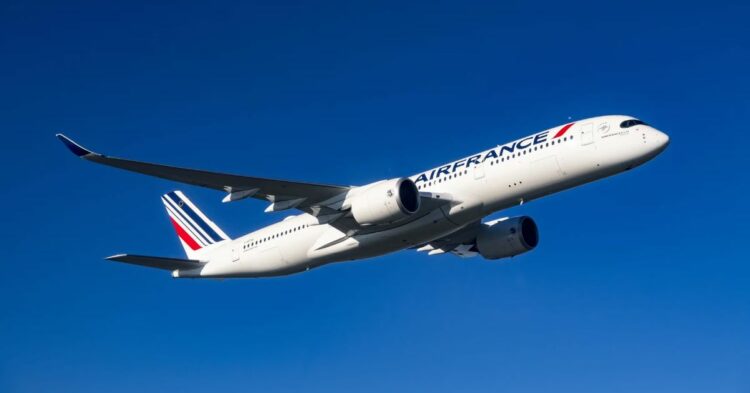
Global concern is rising after an Air France flight from Paris to Detroit was dramatically diverted to Montreal, Canada, after a passenger linked to the Ebola-hit Democratic Republic of Congo reportedly boarded the aircraft “in error.” The shocking Air France flight diverted to Montreal incident has triggered major discussion around airline screening procedures, Ebola travel restrictions, passenger safety, and international aviation security.
The Air France flight diverted to Montreal story quickly became international headline news after U.S. authorities confirmed that the passenger should never have been allowed to board the flight because of current Ebola-related travel restrictions involving the Democratic Republic of Congo, Uganda, and South Sudan.
The flight, originally traveling from Paris to Detroit, was rerouted nearly 500 miles away to Montreal after U.S. Customs and Border Protection officials refused to allow the aircraft to land in the United States. The Air France passenger incident has now become one of the most talked-about aviation and health security events involving Ebola travel fears in recent years.
Air France Flight Diverted to Montreal Sparks Passenger Panic
Passengers onboard the Air France aircraft reportedly became increasingly anxious after the captain announced the sudden diversion while the plane was still several hours away from Detroit. According to passenger Deborah Mistor, cabin crew later began wearing masks, causing additional alarm among travelers onboard the aircraft.
The Air France flight diverted to Montreal situation escalated rapidly after passengers learned that U.S. authorities had blocked the aircraft from entering American territory because of concerns linked to Ebola travel restrictions.
According to reports, the passenger onboard had traveled from the Democratic Republic of Congo, where a serious Ebola outbreak has already killed nearly 140 people and infected hundreds more suspected cases.
Officials did not publicly confirm whether the passenger was showing Ebola symptoms. However, the fact that the Air France passenger boarded despite strict entry restrictions immediately raised serious questions about airport screening systems and international airline compliance procedures.
Why the Air France Passenger Was Denied Entry Into the United States
The U.S. government currently has strict Ebola-related travel rules in place aimed at preventing the deadly virus from entering the country. Under these restrictions, foreign nationals who have recently been in the Democratic Republic of Congo, Uganda, or South Sudan are not permitted to enter the United States through normal channels.
U.S. Customs and Border Protection officials confirmed that the passenger should not have boarded the Air France flight to Detroit in the first place. Authorities said the airline boarded the passenger “in error,” forcing emergency intervention while the aircraft was already mid-flight.
Because the Air France flight diverted to Montreal before entering the United States, American authorities avoided a potentially major public health controversy tied to Ebola screening failures.
The incident has now intensified scrutiny on airline responsibility, international health checks, and passenger screening at major airports across Europe and Africa.
Ebola Outbreak in Congo Continues to Raise International Alarm
The Ebola outbreak connected to the Democratic Republic of Congo remains one of the most concerning global health emergencies currently being monitored by international authorities.
The World Health Organization has already declared the outbreak a public health emergency of international concern. Health experts say the Bundibugyo strain involved in the current outbreak remains especially difficult because there is still no approved vaccine available for that specific Ebola species.
According to health officials, hundreds of suspected Ebola cases have already been identified across central Africa, while dozens of deaths continue to be reported.
The Air France flight diverted to Montreal incident has therefore intensified fears about how quickly infectious diseases can potentially move across international borders through commercial aviation.
Global travelers are now paying closer attention to Ebola travel rules, airport screenings, airline procedures, and emergency aviation protocols following the Air France passenger diversion.
Passenger Describes Confusion and Fear During Air France Diversion
Passenger Deborah Mistor described confusion onboard after the captain initially announced the diversion without providing full details. Travelers reportedly feared there might be a technical failure or security threat involving the aircraft.
Later, the captain clarified that the Air France flight diverted to Montreal strictly because U.S. authorities would not permit the aircraft to land in Detroit.
The revelation caused immediate concern among passengers, especially after cabin crew members began wearing protective masks during the flight.
Despite the tense situation, passengers were eventually allowed to continue their journey to Detroit aboard the same aircraft after Canadian authorities handled the diversion process.
The Air France passenger diversion incident has since gone viral online, with many travelers questioning how such a boarding mistake could happen during an active Ebola outbreak.
Air France and U.S. Authorities Face Tough Questions
The Air France flight diverted to Montreal case has now placed both airline officials and U.S. border authorities under heavy scrutiny.
Critics argue that airlines operating international routes should have stronger passenger verification systems capable of identifying restricted travelers before boarding occurs. Others are questioning whether airport screening systems in Paris properly followed updated Ebola-related travel advisories.
Meanwhile, U.S. Customs and Border Protection defended its actions, stating that officials took “decisive action” to stop the aircraft from landing in Detroit after identifying the issue.
The agency emphasized that the Air France passenger should never have boarded the plane and that immediate diversion procedures were necessary to protect public health and comply with federal travel restrictions.
Air France Flight Diverted to Montreal Highlights Growing Aviation Health Concerns
The Air France flight diverted to Montreal incident is likely to become a major case study in future discussions surrounding airline health security, infectious disease screening, and emergency international aviation coordination.
Since the COVID-19 pandemic, governments and airlines around the world have significantly increased focus on infectious disease monitoring during air travel. However, this latest Air France passenger diversion shows that serious vulnerabilities may still exist within international screening systems.
Travel experts say the situation also highlights the growing challenge airlines face when balancing global connectivity with increasingly strict public health regulations.
The Air France diversion to Montreal may now push aviation regulators to strengthen passenger verification systems, improve communication between border agencies and airlines, and increase pre-boarding health screening procedures on international routes.
Ebola Travel Restrictions Expected to Remain Strict
Health officials continue warning that Ebola remains a dangerous virus capable of spreading through direct contact with bodily fluids from infected individuals. Symptoms can include fever, vomiting, weakness, diarrhea, and internal bleeding.
The Centers for Disease Control and Prevention has stated that the overall risk to the United States remains relatively low, but authorities are continuing enhanced monitoring procedures for travelers arriving from Ebola-affected regions.
Currently, U.S. citizens and permanent residents returning from the Democratic Republic of Congo, Uganda, or South Sudan can only enter the country through designated airports with enhanced medical screening systems, including Washington Dulles International Airport.
The Air France flight diverted to Montreal story is therefore expected to remain a major international news topic as governments continue reviewing Ebola response procedures and airline passenger screening policies.
For global travelers, the incident serves as another reminder that international aviation remains deeply connected to public health security, especially during active disease outbreaks involving highly dangerous viruses like Ebola.