Stick to the Facts
Add Nbsla.ca as a Preferred Source on Google to see more of our stories in your search results.

Air travel disruptions continued to spread across the United States as hundreds of flights were cancelled and thousands more delayed, creating significant challenges for passengers traveling through some of the nation’s busiest airports. Airlines and airports across multiple states struggled to maintain schedules amid ongoing operational pressures, air traffic control staffing shortages, and capacity restrictions imposed by federal aviation authorities.
According to the latest operational data, a total of 341 flights were cancelled across the country while 2,509 flights experienced delays. The disruptions affected travelers in major aviation markets including California, Florida, Texas, Virginia, Pennsylvania, North Carolina, Massachusetts, New York, Michigan, Ohio, and several other states.
The impact was felt at both large international hubs and regional airports, with some facilities reporting exceptionally high numbers of delays and cancellations. Airlines ranging from major network carriers to regional operators faced scheduling challenges that disrupted travel plans for thousands of passengers throughout the day.
Why Flight Cancellations and Delays Are Increasing Across America
The current wave of disruptions is being driven by a combination of factors affecting the US aviation system.
One of the most significant challenges remains the shortage of air traffic controllers across key regions of the country. Reduced staffing levels have forced the Federal Aviation Administration (FAA) to implement capacity limitations at numerous airports. These restrictions reduce the number of aircraft that can safely arrive and depart during peak operating periods.
In addition to staffing concerns, airlines are dealing with complex operational issues that include aircraft positioning, crew scheduling limitations, maintenance requirements, and congestion at major hubs. When disruptions occur at one airport, the effects can quickly spread throughout an airline’s network, causing delays and cancellations hundreds or even thousands of miles away.
The result is a ripple effect that impacts travelers nationwide, particularly during busy travel periods when airports are operating near maximum capacity.
Dallas-Fort Worth International Airport Emerges as the Most Delayed Airport
Dallas-Fort Worth Faces Massive Operational Challenges
Dallas-Fort Worth International Airport recorded the highest number of delays among all major US airports affected by the disruptions.
The airport reported 307 delayed flights and 64 cancellations, making it one of the most significantly impacted aviation hubs in the country. As one of the busiest connecting airports in North America, delays at Dallas-Fort Worth often affect passengers traveling on routes across the United States and internationally.
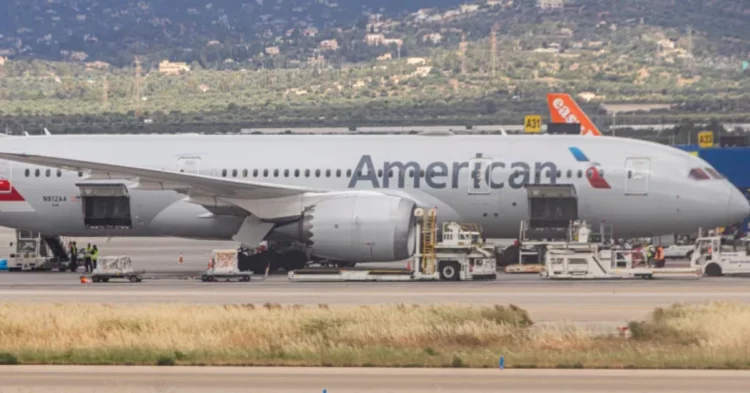
The airport serves as a critical hub for American Airlines, which also reported the highest number of delays among all carriers.
Reagan National Airport Reports Highest Number of Cancellations
Washington, D.C. Travelers Face Significant Schedule Changes
Reagan National Airport experienced the highest cancellation total among the airports monitored.
The airport reported 87 cancellations and 124 delays, creating substantial disruption for passengers traveling to and from the nation’s capital. Capacity limitations and operational constraints contributed to the elevated cancellation figures.
Travelers passing through Washington, D.C., encountered lengthy schedule adjustments as airlines worked to accommodate affected passengers on alternative flights.
Philadelphia International Airport Experiences Major Service Interruptions
Pennsylvania Hub Sees More Than One Hundred Delays
Philadelphia International Airport continued to face considerable operational pressure, recording 112 delays and 38 cancellations.
As a major gateway serving both domestic and international travelers, disruptions at Philadelphia affected a broad range of routes throughout the airline network. Many passengers experienced extended waiting times and schedule modifications as carriers adjusted operations.
The airport remained among the most heavily impacted facilities in the northeastern United States.
Charlotte Douglas International Airport Among the Hardest-Hit Southern Hubs
North Carolina Airport Reports Nearly Two Hundred Delays
Charlotte Douglas International Airport experienced one of the highest delay counts nationwide.
The airport reported 189 delayed flights and 20 cancellations. Charlotte serves as one of the largest airline hubs in the southeastern United States, making disruptions particularly impactful for connecting passengers.
The high volume of delayed operations reflected broader challenges affecting airline schedules across the region.
Boston Logan International Airport Encounters Continued Delays
New England Travelers Experience Operational Disruptions
Boston Logan International Airport reported 102 delays and 19 cancellations during the day.
Passengers traveling through New England’s busiest airport faced changing schedules and extended wait times as airlines attempted to recover from operational disruptions. Flights across domestic and international routes experienced varying levels of impact.
Los Angeles International Airport Faces Significant Delays
California’s Largest Gateway Reports More Than 130 Delayed Flights
Los Angeles International Airport remained one of the most affected airports on the West Coast.
The airport recorded 137 delays and seven cancellations, disrupting travel plans for passengers flying on numerous domestic and international routes. The delay totals highlight the ongoing strain facing major airports even when cancellation numbers remain relatively low.
As one of the busiest airports in the world, operational disruptions at Los Angeles can influence airline networks across multiple regions.
New York Airports Continue to Experience Operational Challenges
JFK Airport Records High Delay and Cancellation Numbers
John F. Kennedy International Airport reported 98 delays and 32 cancellations, creating complications for travelers using one of New York’s primary international gateways.
The airport’s extensive domestic and international flight schedule means even moderate disruptions can affect thousands of passengers.
LaGuardia Airport Also Faces Schedule Disruptions
LaGuardia Airport experienced 83 delays and 29 cancellations.
Travelers departing from or arriving in New York encountered changing schedules throughout the day as airlines managed ongoing operational constraints.
Additional Airports Reporting Significant Disruptions
Detroit Metropolitan Airport
Detroit Metropolitan Airport reported 53 delays and 12 cancellations. Airlines operating through the Michigan hub adjusted schedules to respond to network-wide challenges.
Pittsburgh International Airport
Pittsburgh International Airport recorded 32 delays and five cancellations, contributing to broader travel disruptions across the northeastern region.
Jacksonville International Airport
Jacksonville International Airport experienced 20 delays and six cancellations, affecting both arriving and departing passengers.
Cincinnati/Northern Kentucky International Airport
The airport reported 34 delays and eight cancellations as carriers worked to maintain operations amid continuing challenges.
Westchester County Airport
Westchester County Airport experienced a particularly unusual situation, recording 13 delays and 13 cancellations. The equal number of delayed and cancelled flights reflected the severity of scheduling disruptions affecting the airport.
American Airlines Leads the Industry in Flight Delays
Carrier Reports More Than Five Hundred Delayed Flights
American Airlines recorded the highest number of delays among all airlines affected by the disruptions.
The carrier reported 574 delayed flights and 66 cancellations. Given its extensive domestic network and major hub operations, particularly at Dallas-Fort Worth and Charlotte, the airline faced significant challenges maintaining on-time performance.
Approximately 16 percent of its flight operations experienced delays during the reporting period.
PSA Airlines Records Highest Number of Flight Cancellations
Regional Carrier Faces Severe Operational Impact
PSA Airlines reported the largest number of cancellations among all carriers.
The airline recorded 138 cancellations and 169 delays, with nearly one-fifth of its scheduled operations cancelled. The figures highlight the particular vulnerability of regional airline networks when broader system disruptions occur.
Southwest Airlines Experiences Extensive Delays
Low Cancellation Numbers Mask Significant Operational Issues
Southwest Airlines reported only five cancellations but experienced 432 delays.
The carrier ranked among the most delayed airlines in the country despite maintaining a relatively low cancellation count. The data demonstrates how airlines often attempt to preserve schedules while operating behind timetable.
For passengers, extensive delays can create travel disruptions similar to cancellations, particularly when connections are involved.
United Airlines Continues to Manage Network Challenges
Hundreds of Flights Delayed Across the Carrier’s System
United Airlines reported 221 delays and 17 cancellations.
The airline’s nationwide route structure and hub network meant that operational disruptions at key airports affected flights across multiple regions. Travelers experienced varying levels of delay as the carrier adjusted schedules and aircraft assignments.
Delta Air Lines Reports Ongoing Operational Disruptions
Carrier Works to Minimize Cancellation Impact
Delta Air Lines recorded 163 delays and 12 cancellations.
Although cancellation totals remained comparatively low, delays affected a substantial number of flights throughout the airline’s network. Delta continued adjusting operations to maintain service reliability amid system-wide aviation challenges.
Other Airlines Affected by Continuing Disruptions
JetBlue Airways
JetBlue reported 21 cancellations and 75 delays. The airline experienced disruptions across several routes serving key East Coast and leisure destinations.
Republic Airways
Republic Airways recorded 29 cancellations and 98 delays as operational pressures continued to affect regional airline service.
Endeavor Air
Endeavor Air reported 19 cancellations and 57 delays, reflecting broader challenges impacting regional carriers.
Envoy Air
Envoy Air experienced five cancellations and 56 delays while adjusting schedules throughout its network.
What Travelers Should Do When Facing Flight Delays or Cancellations
Passengers traveling through affected airports should remain proactive and monitor flight status updates closely.
Checking airline mobile applications and official websites frequently can provide the most current information regarding schedule changes. Travelers should also contact airlines regarding rebooking opportunities and alternative routing options when available.
Arriving at airports earlier than usual can help accommodate longer lines and unexpected schedule adjustments. Essential medications, travel documents, chargers, and other important items should be kept in carry-on luggage to reduce inconvenience if travel plans change suddenly.
Flexibility remains one of the most valuable tools for passengers during periods of widespread disruption. Alternative flights, nearby airports, and adjusted travel dates may provide better options when significant delays occur.
Outlook for US Air Travel in the Coming Days
The ongoing combination of air traffic controller shortages, FAA capacity restrictions, airline staffing challenges, and airport congestion suggests that disruptions could continue affecting travelers in the near term.
Major airports including Dallas-Fort Worth, Reagan National, Philadelphia, Charlotte, Boston Logan, Los Angeles International, JFK, and LaGuardia remain particularly vulnerable to operational pressures due to their high traffic volumes and extensive airline networks.
Airlines continue working to stabilize schedules and minimize disruptions, but passengers traveling through major hubs should remain vigilant and check flight status regularly before heading to the airport.