Stick to the Facts
Add Nbsla.ca as a Preferred Source on Google to see more of our stories in your search results.

The growing controversy surrounding the Annabel Yates Lloyds cheque deposit dispute has reignited debate over banking access in rural Britain, branch closures, and the increasing push toward digital-only financial services. The issue exploded after Lloyds Bank customer Annabel Yates said she was unable to deposit a £900 HMRC cheque because of new banking rules introduced by Lloyds Banking Group.
The case has become a symbol of wider frustrations affecting customers across the United Kingdom, especially older residents and rural communities who still depend heavily on traditional cheque banking services.
At the center of the dispute is a simple but highly controversial problem: a customer with a valid HMRC cheque reportedly could not deposit it through the Post Office, could not scan it digitally, and did not trust sending it by post.
The Annabel Yates Lloyds cheque deposit story is now raising major questions about whether modern banking changes are leaving some customers behind.
Lloyds Bank Rule Change Stops Cheque Deposits at Post Office
Under a recent policy change by Lloyds Banking Group, customers can no longer deposit cheques through Post Office branches.
Previously, many customers used local Post Office services as an alternative to bank branches, especially in towns where physical banks had already closed.
However, under the updated system, customers are now directed toward three main options:
- Using the Lloyds mobile banking app
- Visiting a Lloyds, Halifax, or Bank of Scotland branch
- Using a freepost cheque deposit service
For many customers, especially in rural regions, these alternatives are proving difficult or impractical.
The Annabel Yates Lloyds cheque deposit dispute has become one of the clearest examples of the frustration caused by this policy shift.
Annabel Yates Unable to Deposit £900 HMRC Cheque
According to reports, Annabel Yates attempted to deposit a £900 HMRC cheque at her local Post Office branch but was reportedly informed that the service was no longer available for Lloyds customers.
The problem became even more complicated because the cheque reportedly had perforated edges, making it difficult or impossible to scan successfully using the bank’s mobile app.
This left Yates with limited options.
She also expressed concern about sending such a large cheque through the postal system, saying she did not feel comfortable mailing an important HMRC cheque without certainty that it would safely arrive.
The result was a growing public dispute that has placed the Annabel Yates Lloyds cheque deposit controversy at the center of discussions about banking accessibility.
Annabel Yates Criticizes Lloyds Bank Policy
Annabel Yates strongly criticized the new Lloyds Bank rules, arguing that the changes are unfair to people living outside major urban areas.
She accused the bank of “backward thinking” and warned that the policy risks “disenfranchising rural Britain.”
According to Yates, the bank appears to believe everything can now be done digitally through apps and online systems. However, she argued that real-life situations often do not fit neatly into digital banking models.
The Annabel Yates Lloyds cheque deposit dispute highlights how technology limitations, such as unscannable cheques, can quickly become major barriers for customers.
Her comments have resonated with many consumers who feel traditional banking services are disappearing too quickly.
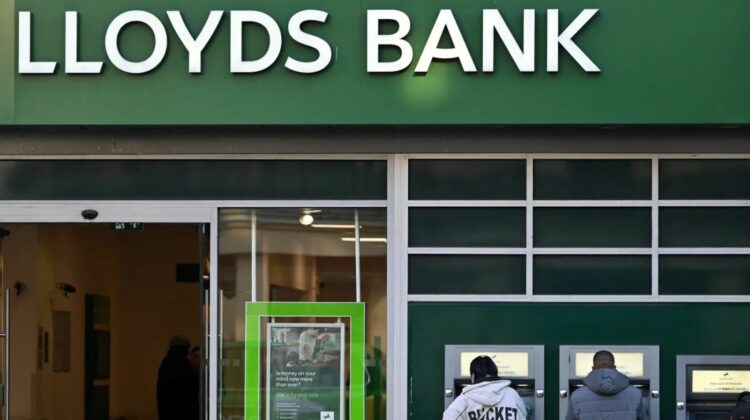
Lloyds Branch Closures Add Pressure on Customers
The controversy comes during a period of widespread bank branch closures across the UK.
Consumer groups have reported that around 6,000 bank branches closed between 2015 and 2024, dramatically reducing access to in-person banking services.
Earlier this year, Lloyds Banking Group also confirmed plans to close dozens more branches.
For rural communities, these closures have created major challenges:
- Longer travel distances to physical banks
- Greater dependence on digital banking
- Reduced face-to-face customer support
- Increased reliance on postal services
This broader context has intensified attention on the Annabel Yates Lloyds cheque deposit issue, with critics arguing that banks are removing services faster than customers can adapt.
HMRC Cheque Problems Highlight Digital Banking Limits
The £900 HMRC cheque at the center of the controversy has also highlighted a growing issue with digital cheque deposits.
Many banks encourage customers to use mobile apps for cheque deposits. However, older or damaged cheques, including those with perforated edges, may not scan properly.
This creates situations where customers are effectively trapped between multiple unusable systems:
- Post Office services unavailable
- App scanning unsuccessful
- Limited nearby branches
- Concerns about postal delivery risks
The Annabel Yates Lloyds cheque deposit case demonstrates how these overlapping limitations can turn a simple banking task into a major problem.
Lloyds Bank Responds to Criticism
A spokesperson for Lloyds Banking Group defended the bank’s current system and pointed customers toward available alternatives.
The bank stated that customers can:
- Deposit cheques using the mobile banking app
- Visit Lloyds, Halifax, or Bank of Scotland branches
- Contact the bank regarding freepost cheque deposit services
However, critics argue that these options do not fully address concerns for customers without easy branch access or confidence in digital and postal systems.
As a result, the Annabel Yates Lloyds cheque deposit controversy continues to attract attention across consumer advocacy discussions.
Rural Britain and Banking Access Debate Intensifies
The issue has become part of a larger debate over financial inclusion in the UK.
Consumer advocates warn that rapid digitization may disproportionately impact:
- Elderly customers
- Rural communities
- Customers with limited internet access
- Individuals uncomfortable with mobile banking technology
For many observers, the Annabel Yates Lloyds cheque deposit dispute reflects a growing disconnect between modern banking strategies and everyday customer realities.
Critics argue that while banks focus on efficiency and digital transformation, some customers are being left with fewer practical ways to manage basic financial tasks.
The controversy surrounding the Annabel Yates Lloyds cheque deposit issue has evolved into more than just a disagreement over a £900 HMRC cheque.
It now represents a broader national debate about:
- Bank branch closures
- Digital-only banking systems
- Rural customer access
- Cheque deposit limitations
- Financial inclusion in modern Britain
As traditional banking continues to disappear from many communities, disputes like the Annabel Yates Lloyds cheque deposit case may become increasingly common.
For many customers, the issue is no longer just about convenience. It is about whether essential banking services remain accessible at all.