Stick to the Facts
Add Nbsla.ca as a Preferred Source on Google to see more of our stories in your search results.

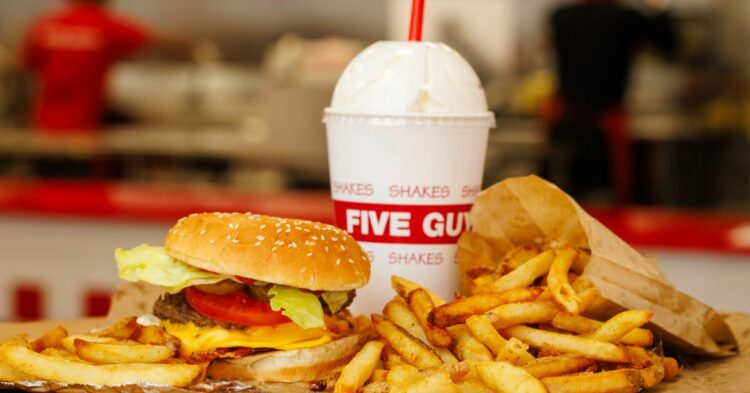
The fast-food industry is facing another major shake-up in 2026, and this time it involves popular burger chain Five Guys. The company has confirmed that several California restaurants will permanently close over the coming months as rising operating expenses and changing consumer spending habits continue to pressure restaurant businesses across the United States.
The announcement comes during a difficult period for the restaurant industry, especially in California, where higher labor costs, inflation, rent increases, and slowing customer demand are forcing many chains to rethink operations. The Five Guys California closures are now part of a growing trend of fast-food restaurant shutdowns happening nationwide.
Five Guys California Closures Confirmed for 2026
According to reports, Five Guys will permanently close four California restaurants between May and July 2026. State filings show that the shutdowns will affect dozens of workers across multiple cities.
The California locations closing include:
- Whittier — 13 employees affected
- City of Industry — 15 employees affected
- Merced — 13 employees affected
- Hanford — 14 employees affected
In total, 55 employees will lose their positions as a result of the closures. Reports indicate that workers at the affected restaurants are not expected to be transferred to other Five Guys locations.
The closures highlight the growing financial pressure facing fast-food operators, especially premium burger chains that depend on higher menu pricing to offset increasing costs.
Why Five Guys Stores Are Closing in California
The company cited financial hardship and rising operating expenses as the primary reasons behind the restaurant shutdowns.
California restaurants have faced mounting challenges since the state’s fast-food minimum wage increase took effect in 2024. Labor costs rose significantly for chains operating large restaurant staffs, and businesses have also been dealing with higher food supply prices, rent increases, insurance costs, and utility expenses.
For chains like Five Guys, which is known for premium burgers, fresh ingredients, hand-cut fries, and customizable menu items, maintaining profitability has become increasingly difficult.
Unlike lower-cost fast-food competitors, Five Guys meals often cost more than standard burger chain combos. As inflation continues to affect household budgets across the country, many consumers are becoming more selective about where they spend money on dining out.
Inflation Is Changing Fast-Food Consumer Habits
One major factor behind the Five Guys California closures is the changing behavior of fast-food customers.
Consumers are still eating fast food, but many are now prioritizing affordability over premium dining experiences. Value menus, discount deals, loyalty rewards, and cheaper meal combinations have become increasingly important for budget-conscious families.
Chains offering lower-priced options are attracting more customers as inflation pressures continue to impact grocery bills, housing costs, fuel prices, and everyday expenses.
Because Five Guys positions itself as a premium fast-food burger brand, customers often pay noticeably higher prices compared to traditional fast-food competitors. In some markets, a meal for two at Five Guys can cost significantly more than similar meals at competing chains.
That pricing difference is becoming harder for some consumers to justify during periods of economic uncertainty.
California Fast-Food Industry Facing Major Pressure
The Five Guys closures reflect broader challenges impacting restaurants throughout California.
Many fast-food businesses have struggled since labor laws increased minimum wages for fast-food workers. Restaurant owners across the state have repeatedly warned that higher payroll expenses could lead to:
- Restaurant closures
- Reduced staffing
- Shorter operating hours
- Higher menu prices
- Slower expansion plans
In addition to wage increases, California businesses continue to face high commercial rent costs and elevated food prices. Supply chain expenses remain volatile for ingredients such as beef, cooking oil, dairy products, and fresh produce.
These combined pressures are creating a difficult environment for restaurant operators trying to maintain profit margins while also keeping menu prices competitive.
Five Guys Remains a Popular Burger Chain Despite Closures
Even with the California shutdowns, Five Guys remains one of the most recognizable premium burger brands in the United States.
The chain built its reputation around fresh beef burgers, customizable toppings, large fry portions, and open-kitchen restaurant layouts. Over the years, Five Guys expanded rapidly across the country and internationally, becoming a well-known competitor in the premium burger market.
However, the fast-food industry has become increasingly competitive in recent years. Consumers now have more dining choices than ever, including:
- Value-focused fast-food chains
- Fast-casual burger restaurants
- Delivery-based meal services
- Grocery store prepared foods
- Budget-friendly combo deals
As customer preferences shift toward affordability, even established restaurant brands are being forced to adjust operations.
More Restaurant Closures Could Follow Across the Industry
The Five Guys California closures are not happening in isolation. Restaurant chains across the United States have announced closures, restructuring plans, or bankruptcy filings over the past year as the industry continues adapting to economic pressures.
Experts say restaurants that rely on higher menu prices may face the biggest challenges if inflation remains elevated and consumer spending continues slowing.
At the same time, customers are increasingly looking for promotions, digital discounts, loyalty apps, and lower-cost meal bundles before deciding where to eat.
For now, the closure of four California Five Guys restaurants serves as another reminder of how rapidly the fast-food business landscape is changing in 2026.
As rising labor costs, inflation, and cautious consumer spending continue reshaping the restaurant industry, more fast-food chains may be forced to make difficult decisions about store operations and long-term expansion plans.