Stick to the Facts
Add Nbsla.ca as a Preferred Source on Google to see more of our stories in your search results.

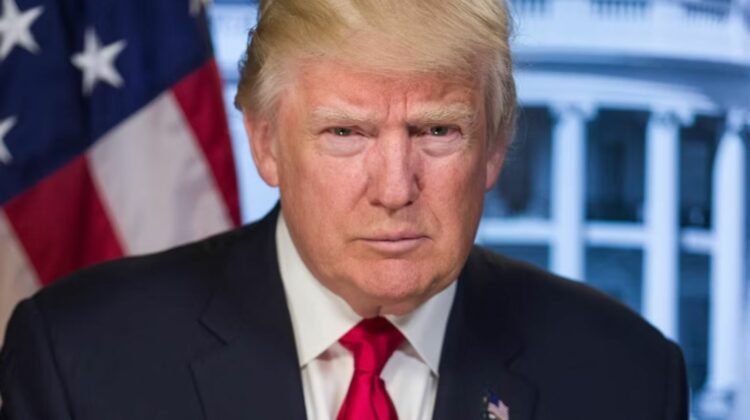
The United States is preparing for a major shift in school health policy after President Donald Trump moved to reinstate the long-discussed Presidential Fitness Test through a new federal memorandum. The decision, reported by Bloomberg and confirmed by White House officials, marks a significant return of standardized physical fitness testing in public schools across the country.
The move is part of a broader push to reshape youth health programs and reintroduce measurable fitness benchmarks for students nationwide.
Trump Fitness Test 2026 Memo: What Was Announced
According to reporting from Bloomberg News, President Trump is expected to sign a memorandum reinstating the Presidential Fitness Test Award, bringing back structured physical assessments in U.S. schools.
The announcement focuses on:
- Restoring standardized fitness benchmarks in schools
- Reintroducing performance-based physical assessments
- Creating a national “Presidential Fitness Award” system
- Expanding federal oversight of youth fitness programs
The initiative aligns with ongoing efforts to improve child health and physical activity levels across the country.
What Is the Presidential Fitness Test?
The Presidential Fitness Test is not new. It originally dates back decades and was first widely introduced in schools in the 1960s.
Historically, the test included activities such as:
- One-mile run
- Push-ups or pull-ups
- Sit-ups
- Sit-and-reach flexibility test
- Shuttle runs or endurance drills
Over time, the program evolved, and in 2012 it was replaced by a more general health-focused system that emphasized personal fitness rather than competition.
Recent policy changes have now brought it back into discussion under the 2026 fitness initiative.
Why the Presidential Fitness Test Is Returning in 2026
The administration argues that the revival is necessary due to growing concerns about:
- Rising childhood obesity rates
- Declining physical activity among students
- Long-term public health costs
- Reduced physical fitness in school-aged children
The broader goal is to encourage healthier lifestyles early in life and improve national fitness outcomes through structured school programs.
Supporters say the return of the test will bring accountability and motivation back into school physical education.
How the New Fitness Program Will Work
Although final details may vary by school district, the proposed structure includes:
- Annual physical fitness assessments for students
- Standardized scoring benchmarks
- National recognition through a Presidential Fitness Award
- Updated guidelines from federal education and health agencies
The program is expected to be overseen through federal education and health departments working together, with schools responsible for implementation.
Political and Public Reaction
The announcement has sparked mixed reactions across the country.
Supporters say:
- It encourages healthier habits in children
- It brings structure to school fitness programs
- It promotes discipline and physical activity
- It may help address obesity trends in youth populations
Critics argue:
- It may increase pressure and stress on students
- Fitness standards could disadvantage some children
- Schools may lack funding for proper implementation
- The focus may shift away from inclusive health education
The debate highlights a long-standing divide between performance-based fitness testing and broader wellness-focused approaches in education.
Connection to Broader Health Policy Changes
This move is part of a wider federal push to reshape public health messaging and youth development programs. It also reflects growing political attention on:
- School health standards
- Childhood obesity prevention
- Physical education reform
- National fitness awareness campaigns
The fitness test revival is being positioned as a symbolic and practical step toward improving long-term health outcomes in the United States.
What Happens Next
The memorandum is expected to trigger:
- Federal guidance for schools
- Development of updated fitness benchmarks
- Pilot implementation in selected districts
- Expansion of the program nationwide over time
Education agencies will likely release additional instructions outlining how schools should conduct testing and report results.
The return of the Presidential Fitness Test in 2026 represents a major shift in U.S. school health policy. While supporters view it as a necessary step to improve youth fitness, critics question whether standardized testing is the best approach for modern education systems.
What is clear is that this decision will continue to shape the debate around school health, student performance, and national fitness goals throughout 2026 and beyond.