Stick to the Facts
Add Nbsla.ca as a Preferred Source on Google to see more of our stories in your search results.

Hundreds of passengers were stranded today as Newark Liberty International Airport faced another massive operational breakdown, recording 179 delays and 62 cancelled flights that disrupted both domestic and international travel across the United States and Europe. The latest Newark airport chaos heavily impacted major airlines including United Airlines, Republic Airways, American Airlines, Delta Air Lines, JetBlue Airways, British Airways, Air Canada, TAP Air Portugal, Icelandair, AeroMéxico, and several regional carriers operating through one of America’s busiest aviation hubs.
The growing Newark Liberty flight disruptions created ripple effects across major routes involving London Heathrow, Chicago O’Hare, Boston Logan, Atlanta Hartsfield-Jackson, Washington Dulles, Charlotte Douglas, Orlando International, San Francisco International, Los Angeles International, Dallas-Fort Worth, Denver International, Toronto Pearson, and many other key airports throughout the global aviation network.
Travelers moving through Newark Liberty International Airport today faced hours-long delays, last-minute gate changes, missed international connections, aircraft rotation problems, and mounting uncertainty as airlines scrambled to stabilize operations.
Newark Liberty Airport Becomes the Center of Massive Flight Disruption Crisis
Newark Liberty International Airport once again became one of the biggest aviation disruption hotspots in the United States after logging a staggering 241 total operational interruptions, including 179 delays and 62 cancellations throughout the day.
The disruptions affected arriving and departing flights simultaneously, causing heavy congestion across terminals and creating a difficult environment for travelers attempting to reach destinations across America, Europe, Canada, Mexico, and Asia.
Passengers reported crowded waiting areas, extended customer service lines, delayed baggage handling, and continuous schedule adjustments as airlines attempted to recover operations during the peak disruption period.
The situation at Newark Liberty Airport also triggered secondary delays at multiple connected airports because Newark serves as a major gateway for both domestic and international airline traffic.
United Airlines Suffers the Biggest Newark Operational Collapse
Among all carriers affected, United Airlines experienced the largest operational crisis at Newark Liberty International Airport. The airline recorded 34 cancellations and 96 delays, making it by far the most heavily disrupted airline operating through Newark today.
As Newark functions as one of United Airlines’ most important hubs, the disruptions quickly spread across the airline’s nationwide and international route network. Flights involving Chicago, Los Angeles, Denver, San Francisco, Las Vegas, Seattle, Miami, Dallas, Orlando, Boston, Atlanta, and Washington all experienced schedule instability linked directly to Newark operations.
Internationally, United Airlines passengers flying between Newark and London Heathrow, Frankfurt, Paris Charles de Gaulle, Dublin, Madrid, Amsterdam Schiphol, Zurich, Venice, Tokyo Haneda, and Cape Town also encountered delays and operational uncertainty.
Travelers onboard United Airlines flights reported aircraft waiting on taxiways for extended periods while incoming aircraft rotations and crew scheduling issues continued affecting departure timelines.
Republic Airways Faces Severe Regional Network Disruptions
Republic Airways emerged as the second-most affected airline at Newark Liberty after recording 23 cancellations and 32 delays tied to regional operations.
Because Republic Airways operates many smaller regional feeder routes connecting Newark with secondary U.S. markets, the disruptions affected thousands of connecting passengers attempting to reach larger domestic and international flights.
Many travelers flying from smaller American cities into Newark reportedly missed onward international departures after regional schedules collapsed during the day.
Airlines operating regional networks remain especially vulnerable during major hub disruptions because smaller aircraft rotations and crew assignments leave limited recovery flexibility once schedules begin falling behind.
American Airlines, Delta Air Lines and JetBlue Also Impacted
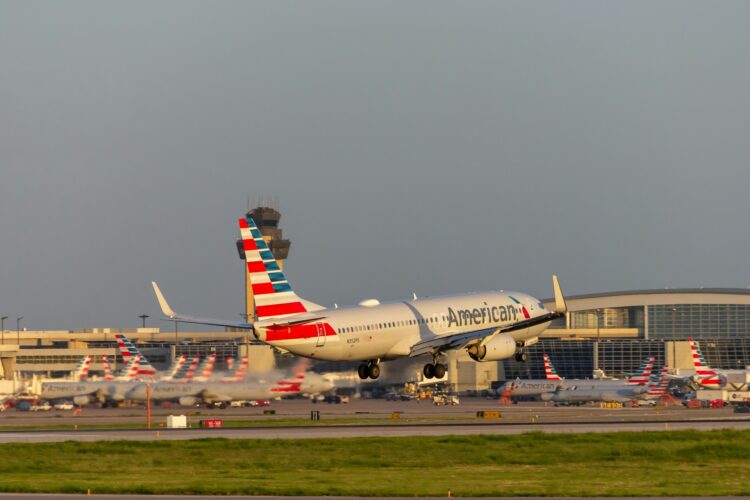
American Airlines continued facing operational pressure at Newark Liberty Airport despite avoiding large-scale cancellations. The airline still recorded multiple delays connected to traffic flow restrictions and operational congestion throughout the Northeast corridor.
Delta Air Lines also experienced Newark-related delays affecting flights involving Atlanta, Boston, Orlando, Detroit, Minneapolis, and other major domestic routes.
JetBlue Airways reported several operational interruptions as delays across the New York metropolitan region spread into surrounding airports and heavily traveled leisure destinations, especially Florida routes.
The disruptions highlighted how interconnected the U.S. aviation network has become, where operational problems at a single major hub can quickly affect flights nationwide.
International Airlines Including British Airways and Air Canada Experience Problems
The Newark Liberty disruption crisis was not limited to U.S. airlines. Multiple international carriers also faced operational instability during the day.
British Airways reported cancellations and delays tied to its transatlantic London Heathrow-Newark operations, impacting travelers moving between the United Kingdom and the United States.
Air Canada, TAP Air Portugal, Icelandair, Austrian Airlines, SAS Scandinavian Airlines, Iberia, AeroMéxico, and several European carriers also reported disrupted schedules connected to Newark congestion and aircraft positioning delays.
Flights connecting Newark with Toronto Pearson, Montreal, Mexico City, Lisbon, Reykjavik, Madrid, Vienna, Stockholm, Dublin, Frankfurt, Amsterdam, Venice, Paris, and Tokyo experienced varying levels of delay throughout the day.
International travelers faced particularly difficult conditions because missed connections often required overnight rebooking arrangements and immigration coordination.
Chicago, Boston, Atlanta and Washington Airports Experience Secondary Effects
The Newark Liberty airport disruption wave spread quickly across the United States aviation system, affecting several major airports tied closely to Newark schedules.
Chicago O’Hare International Airport experienced cascading delays as aircraft rotations involving Newark began falling behind schedule. Boston Logan International Airport also saw operational slowdowns connected to Northeast corridor congestion.
Atlanta Hartsfield-Jackson International Airport faced timing disruptions involving connecting passengers and aircraft arriving from Newark Liberty.
Washington Dulles and Reagan National airports reported multiple schedule adjustments throughout the day as airlines attempted to recover delayed aircraft and crews.
Other airports affected included:
- Orlando International Airport
- Charlotte Douglas International Airport
- San Francisco International Airport
- Los Angeles International Airport
- Denver International Airport
- Dallas-Fort Worth International Airport
- Las Vegas Harry Reid International Airport
- Miami International Airport
- Seattle-Tacoma International Airport
The widespread disruption pattern demonstrated how quickly problems at Newark can impact airline operations across the entire country.
Long-Haul International Flights Face Major Delays
Several international long-haul routes linked to Newark Liberty International Airport experienced significant delays during the operational breakdown.
Flights involving:
- London Heathrow
- Paris Charles de Gaulle
- Frankfurt International
- Madrid-Barajas
- Amsterdam Schiphol
- Dublin International
- Venice Marco Polo
- Vienna International
- Zurich Airport
- Tokyo Haneda
- Cape Town International
all reported schedule instability tied directly to Newark delays and aircraft management issues.
Passengers traveling internationally often faced the most stressful situations because long-haul flights operate within narrower scheduling windows involving customs, international crew regulations, airport curfews, and limited replacement aircraft availability.
Why Newark Liberty Airport Continues Facing Operational Problems
Industry analysts say Newark Liberty International Airport remains particularly vulnerable to disruptions because of its extremely dense traffic volume, limited operational flexibility, Northeast airspace congestion, weather sensitivity, and heavy dependence on hub-based airline scheduling systems.
Even moderate weather changes, FAA traffic management initiatives, staffing shortages, or aircraft rotation problems can rapidly trigger widespread delays at Newark that then spread across connected airline networks.
The airport’s position within the highly congested New York metropolitan aviation corridor also increases operational pressure compared to many other U.S. airports.
Experts warn that as summer travel demand continues increasing, disruptions involving Newark Liberty Airport could become even more frequent during peak travel periods.
What Travelers Should Do During Newark Flight Disruptions
Passengers traveling through Newark Liberty International Airport are being advised to remain highly flexible and closely monitor airline updates throughout the day.
Travel experts recommend:
- Checking airline apps continuously for updates
- Arriving earlier than usual at airports
- Preparing backup travel options
- Keeping essential medications and chargers in carry-on baggage
- Monitoring connecting airport conditions
- Reviewing airline refund and compensation policies
- Considering alternate New York-area airports when available
Travelers with international itineraries are also encouraged to review passport, transit visa, and rebooking requirements carefully before accepting alternate routes.
Newark Flight Chaos Shows Growing Pressure on America’s Aviation System
The latest Newark Liberty International Airport disruptions highlight the increasing strain facing America’s aviation system in 2026 as airlines continue balancing heavy travel demand, operational staffing challenges, weather disruptions, and air traffic congestion simultaneously.
With 179 delays and 62 cancelled flights recorded in a single day, Newark once again demonstrated how one heavily congested hub can create nationwide airline disruption waves affecting passengers traveling across the United States, Europe, Canada, Mexico, and Asia.
As United Airlines, Republic Airways, American Airlines, Delta Air Lines, JetBlue Airways, British Airways, Air Canada, and other carriers continue working to stabilize operations, travelers heading through Newark Liberty International Airport are being warned to expect continued delays, schedule changes, and possible cancellations during the busy travel season ahead.