Stick to the Facts
Add Nbsla.ca as a Preferred Source on Google to see more of our stories in your search results.

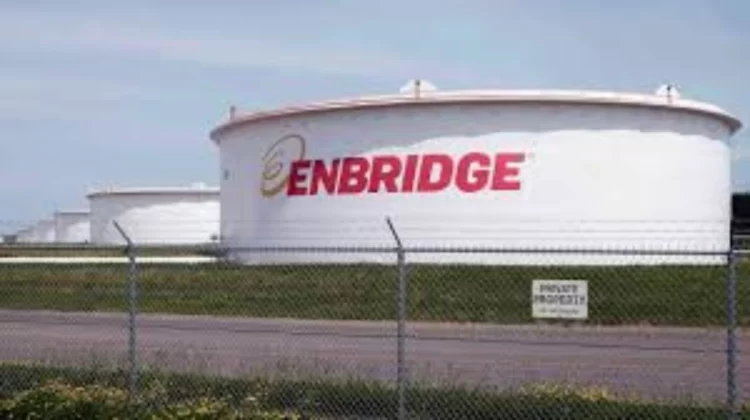
Enbridge Inc. is moving forward with a major $4 billion expansion of its natural gas pipeline system in British Columbia following federal approval, marking one of the most significant midstream infrastructure investments in Canada in recent years. The project, known as the Sunrise expansion, is designed to strengthen the capacity and reliability of the company’s T-South pipeline system while supporting growing demand from liquefied natural gas (LNG) projects and domestic consumers across British Columbia and the U.S. Pacific Northwest.
The expansion comes at a time when North America is increasingly focused on energy security, export diversification, and meeting global demand for lower-emission fuels such as natural gas and LNG. With construction readiness already established, the project is positioned to deliver both economic and strategic benefits over the coming years.
What Is the Sunrise Expansion Project?
A $4 Billion Investment in Pipeline Capacity
The Sunrise expansion is a large-scale infrastructure initiative by Enbridge Inc. aimed at increasing the transportation capacity of its T-South natural gas pipeline system by approximately 17 per cent. The system plays a critical role in moving natural gas from production areas in northeastern British Columbia to key markets in southern British Columbia and export points along the Canada–United States border.
This expansion includes upgrades to pipeline segments, compression facilities, and associated infrastructure designed to improve throughput efficiency and system reliability. The project is considered “shovel-ready,” meaning it can proceed quickly following regulatory approval.
Enbridge has positioned the project as a key contributor to long-term energy system stability and a foundation for future LNG export growth.
Strategic Role in Western Canada’s Energy Network
The T-South system, operated by Westcoast Energy Limited Partnership, an affiliate of Enbridge Inc., runs from Chetwynd in northeastern British Columbia to the Huntingdon-Sumas meter station at the Canada–U.S. border. This corridor is a vital artery in the region’s energy infrastructure, supplying both domestic consumers and export markets.
The Sunrise expansion is expected to enhance system flexibility and ensure adequate capacity during peak demand periods, particularly as new LNG projects come online.
Why the Expansion Is Being Built Now
Rising Demand for Natural Gas and LNG
One of the primary drivers of the Sunrise expansion is increasing demand for natural gas, both domestically and internationally. In British Columbia, population growth, industrial activity, and electrification pressures have contributed to rising energy consumption. Natural gas remains a key fuel for heating homes, powering businesses, and supporting critical infrastructure such as hospitals and schools.
At the same time, global demand for LNG is growing rapidly, particularly in Asia, where countries are seeking reliable and lower-emission alternatives to coal. British Columbia is strategically positioned on the Pacific coast, making it an ideal export hub.
Supporting LNG Export Projects Like Woodfibre LNG
A central beneficiary of the Sunrise expansion is the Woodfibre LNG project located near Squamish, British Columbia. The facility is under construction and aims to begin exporting LNG to Asian markets by late 2027.
Enbridge Inc. holds a 30 per cent stake in the Woodfibre LNG project, while the remaining 70 per cent is owned by Pacific Energy Corp. Ltd., a subsidiary of Singapore-based RGE Pte. Ltd., controlled by Indonesian businessman Sukanto Tanoto.
The expanded pipeline capacity will help ensure a reliable supply of natural gas feedstock for liquefaction and export operations, reducing bottlenecks and supporting long-term production stability.
Strengthening Cross-Border Energy Flows
In addition to supporting Canadian LNG exports, the T-South system also plays an important role in supplying natural gas to the U.S. Pacific Northwest. The Sunrise expansion will enhance cross-border energy reliability, reinforcing the interconnected nature of the North American energy system.
Regulatory Approval and Government Support
Canada Energy Regulator Recommendation
Earlier in the year, a panel of the Canada Energy Regulator recommended approval of the Sunrise expansion project following a detailed review of environmental, technical, and economic factors. The recommendation reflected confidence in the project’s ability to meet regulatory standards while contributing to energy system reliability.
The approval process included assessments of potential environmental impacts, Indigenous consultation requirements, and infrastructure safety considerations.
Federal Government Approval and Policy Alignment
Following the regulator’s recommendation, the federal government granted approval for the project. Energy Minister Tim Hodgson emphasized the broader national benefits of the expansion, noting its importance in supporting both domestic energy needs and economic development.
He highlighted that the project will help heat homes and support public infrastructure while also enabling industrial growth and job creation in British Columbia.
The approval aligns with Canada’s broader energy strategy, which aims to balance economic development with emissions reduction and long-term energy security.
Economic Impact and Job Creation
Thousands of Jobs During Construction
The Sunrise expansion is expected to generate thousands of jobs during its construction phase. These roles will span engineering, construction, logistics, environmental monitoring, and project management.
Indirect employment opportunities are also expected to arise in supporting industries such as steel manufacturing, transportation, and local services.
Long-Term Economic Benefits for British Columbia
Beyond immediate construction employment, the project is expected to deliver long-term economic benefits by strengthening the province’s role in global energy markets. Increased LNG export capacity could generate additional revenue streams, royalties, and tax contributions for both provincial and federal governments.
The expansion also supports industrial competitiveness by ensuring reliable energy supply for manufacturing and resource-based sectors.
Strategic Importance for Canada’s Energy Ambitions
Positioning Canada as an Energy Export Powerhouse
Enbridge chief executive officer Greg Ebel described the Sunrise expansion as a critical step in advancing Canada’s ambitions to become a global energy superpower. This reflects a broader national strategy focused on expanding energy exports while leveraging Canada’s abundant natural gas resources.
The project strengthens Canada’s ability to compete in global LNG markets, particularly in Asia, where demand is projected to continue growing over the coming decades.
Enhancing Energy Security and System Reliability
The expansion also contributes to energy security by improving infrastructure resilience and ensuring adequate supply during periods of high demand. This is particularly important during extreme weather events, when natural gas demand for heating spikes significantly.
By increasing capacity and operational flexibility, the T-South system will be better positioned to handle fluctuations in both domestic and export demand.
Stakeholders and Project Partnerships
Enbridge Inc. and Westcoast Energy Operations
Enbridge Inc. is the primary developer of the Sunrise expansion and one of North America’s largest energy infrastructure companies. Its affiliate, Westcoast Energy Limited Partnership, operates the T-South pipeline system and is responsible for day-to-day operations and system maintenance.
Together, these entities form the backbone of the project’s execution and long-term management strategy.
Woodfibre LNG and Pacific Energy Corp. Ltd.
Woodfibre LNG is a key end-user of the expanded pipeline capacity. The project, located near Squamish, British Columbia, is expected to become one of Canada’s newest LNG export facilities targeting Asian markets.
Pacific Energy Corp. Ltd., a subsidiary of RGE Pte. Ltd., holds a majority stake in Woodfibre LNG, bringing international investment and expertise into the project.
Canada Energy Regulator Oversight
Canada Energy Regulator played a central role in evaluating the Sunrise expansion before recommending approval. Its assessment focused on ensuring that the project met national safety, environmental, and economic standards.
Government Leadership
Energy policy leadership has also been a key factor in the project’s approval. Energy Minister Tim Hodgson emphasized the importance of the expansion for both domestic infrastructure and Canada’s broader economic strategy.
Environmental and Regulatory Considerations
Balancing Development and Environmental Responsibility
Large-scale pipeline expansions in British Columbia often face scrutiny regarding environmental impact, particularly in relation to land use, wildlife habitats, and emissions. The Sunrise project underwent extensive regulatory review to ensure compliance with environmental standards.
Mitigation strategies include modern pipeline monitoring technologies, improved leak detection systems, and ongoing environmental oversight throughout the construction and operational phases.
Indigenous Consultation and Community Engagement
As with other major infrastructure projects in Canada, consultation with Indigenous communities formed a key part of the approval process. Engagement efforts focused on ensuring that project benefits, risks, and opportunities were clearly communicated and appropriately addressed.
Conclusion: A Defining Infrastructure Project for Canada’s Energy Future
The Sunrise expansion represents a significant milestone in Canada’s ongoing effort to expand and modernize its energy infrastructure. By increasing the capacity of the T-South pipeline system by 17 per cent, Enbridge Inc. is positioning British Columbia as a stronger player in both domestic energy supply and global LNG markets.
With federal approval secured and construction readiness in place, the project is set to deliver widespread economic, industrial, and strategic benefits. From supporting LNG exports like Woodfibre LNG to enhancing energy reliability across western North America, the expansion underscores the growing importance of natural gas in the global energy transition.