Stick to the Facts
Add Nbsla.ca as a Preferred Source on Google to see more of our stories in your search results.

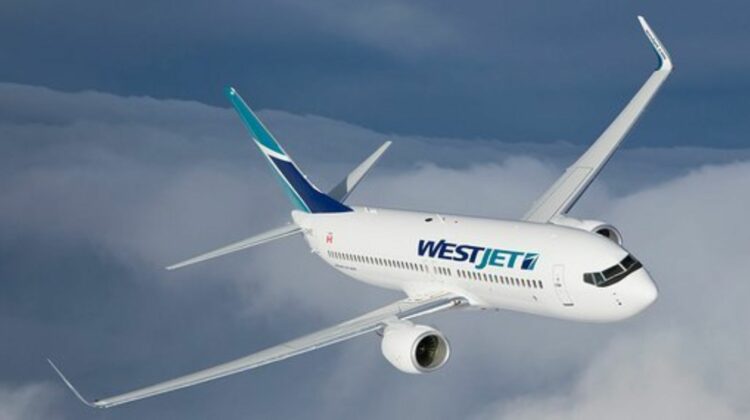
Travellers in Canada are facing another hit to their wallets as WestJet raises checked baggage fees once again—marking the third increase in just three years. The move comes shortly after a similar pricing change by Air Canada, signaling a broader shift across the airline industry.
The new fees took effect for bookings made on or after April 23, 2026, and apply to most passengers who pay to check luggage, whether at the airport or in advance.
What the New Baggage Fees Look Like
Under the updated pricing, passengers will pay more depending on when they choose to add baggage:
- Airport check-in: Fees for the first and second checked bags increase by $10 each
- Advance booking: Fees rise by $5 per bag for the first and second items
For travellers on ultra-basic fares within Canada, the cost for a single checked bag can now reach as high as $93, while a second bag could cost up to $111. Even standard economy passengers are not spared, with first-bag fees ranging between $45 and $81.
International travellers, particularly those heading to Europe or Asia, may see fees climb above $120 for a single checked bag on lower-tier fares.
Heavier and Oversized Bags Hit Hardest
The most significant jump affects overweight and oversized luggage. In some cases, passengers could now pay up to $168 for a single bag that exceeds standard limits, following a $50 increase in these specific charges.
These higher penalties are likely to impact travellers carrying extra or bulky items, making careful packing more important than ever.
Industry-Wide Trend Driven by Rising Costs
WestJet has attributed the price increase to ongoing industry pressures and global economic conditions. A major factor behind these changes is the sharp rise in jet fuel prices, which has disrupted airline operations worldwide.
Airlines, including Air Transat, have already begun cutting routes and adjusting fares to manage higher operating costs. In some cases, temporary fuel surcharges have also been introduced, adding another layer of expense for passengers.
Air Canada Sets the Pace
Earlier in April, Air Canada raised its baggage fees for economy basic passengers, increasing the first checked bag fee from $35 to $45 and the second from $50 to $60 on routes within Canada and to popular destinations like the United States and the Caribbean.
WestJet’s latest move effectively brings its pricing in line with its main competitor, reducing any significant cost difference between the two carriers.
Fewer Flights and Higher Prices Ahead
The baggage fee hikes are part of a broader trend affecting air travel in 2026. With airlines scaling back flight capacity and fuel costs remaining volatile, experts warn that ticket prices and additional fees are unlikely to drop anytime soon.
For travellers, this means planning ahead is becoming more important—both to secure better fares and to avoid last-minute add-ons like expensive baggage charges.
As the summer travel season approaches, the message from the airline industry is clear: flying is getting more expensive, and baggage fees are now a bigger part of that equation.