Stick to the Facts
Add Nbsla.ca as a Preferred Source on Google to see more of our stories in your search results.

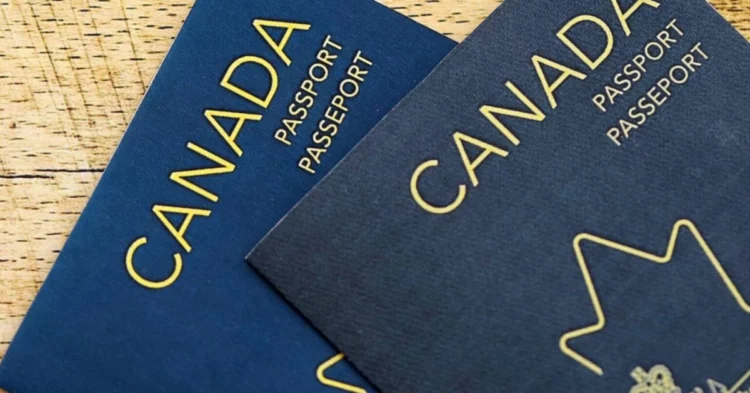
Canada has once again secured its place among the world’s most powerful passports, reaffirming its position as one of the best travel documents for international mobility. According to the latest edition of the Henley Passport Index, the Canadian passport continues to rank among the top 10 globally, giving its holders visa-free or visa-on-arrival access to a vast number of destinations around the world.
The ranking highlights how valuable Canadian citizenship remains for international travel despite ongoing geopolitical tensions, changing immigration policies, and evolving visa requirements across many countries.
For the third consecutive year, Canada occupies the seventh position in the global rankings, placing it ahead of several major economies, including the United States. Although Canada no longer holds the second-place ranking it achieved more than a decade ago, its passport continues to offer exceptional travel freedom compared with most countries worldwide.
The latest report also illustrates how international mobility has transformed over the past two decades, with travellers enjoying access to significantly more destinations than ever before.
What Is the Henley Passport Index?
The Henley Passport Index is one of the world’s most widely recognized passport rankings.
Published by Henley & Partners, a United Kingdom-based investment migration consultancy, the index has tracked passport strength annually since 2006.
Rather than measuring a country’s economic strength or political influence, the ranking focuses on one simple question:
How many destinations can citizens enter without obtaining a visa before departure?
The index relies on exclusive travel information supplied by the International Air Transport Association (IATA), the world’s largest and most comprehensive travel information database.
For the 2026 edition, the ranking compares:
- 199 different passports
- 227 travel destinations worldwide
Each passport receives a score based on the number of destinations accessible without obtaining a traditional visa before travel.
Visa-free travel, visa-on-arrival access, and electronic travel authorization programs generally contribute positively to a passport’s overall ranking.
Canada Holds Seventh Place for the Third Consecutive Year
Canada remains in seventh place in the latest global passport rankings.
Canadian passport holders currently enjoy visa-free or simplified entry into 183 destinations around the world.
Maintaining the same ranking for three consecutive years demonstrates the continued strength and stability of Canada’s international relationships.
Although several countries have improved their travel agreements in recent years, Canada’s passport continues to provide one of the highest levels of global mobility available today.
The latest result also places Canada comfortably ahead of many developed nations and among an elite group of countries whose citizens can travel with relatively few restrictions.
Canada’s Passport Ranking Over the Years
Canada has consistently ranked among the world’s strongest passports since the Henley Passport Index was first introduced.
While the country’s position has shifted over time as international visa agreements evolved, Canada has remained within the global top tier.
Some notable milestones include:
| Year | Global Ranking |
|---|---|
| 2006 | 6th |
| 2014 | 2nd |
| 2024 | 7th |
| 2025 | 7th |
| 2026 | 7th |
Canada reached its highest-ever position in 2014 when it ranked second globally.
Although additional countries have negotiated broader visa-free agreements over the past decade, Canada’s continued presence in the top 10 reflects the enduring value of its passport.
Singapore Retains the World’s Most Powerful Passport
The latest rankings place Singapore firmly at the top of the global list.
Singaporean citizens currently enjoy the highest level of international travel freedom among all passports included in the index.
Following Singapore are several Asian nations that continue strengthening their international mobility through expanding diplomatic agreements.
The highest-ranked passports include:
| Rank | Country |
|---|---|
| 1 | Singapore |
| 2 | Japan |
| 2 | South Korea |
| 2 | United Arab Emirates |
| 7 | Canada |
The continued dominance of several Asian countries reflects years of expanding bilateral travel agreements and strong diplomatic relationships.
Canada Shares Seventh Position With Several Countries
Canada is not alone in seventh place.
Several other nations currently share the same passport ranking, including:
- Australia
- Czechia
- Latvia
- Malaysia
- New Zealand
- Slovakia
- Slovenia
These countries provide their citizens with comparable levels of international mobility.
Although rankings occasionally fluctuate as governments negotiate new visa agreements, the differences between countries within the top ten are often relatively small.
Canada Continues to Rank Ahead of the United States
One interesting aspect of this year’s rankings is Canada’s continued lead over the United States.
The American passport currently ranks tenth globally.
While both countries provide extensive international travel opportunities, Canada’s passport currently offers access to more destinations without requiring a traditional visa before departure.
This reflects the evolving nature of international travel agreements rather than any significant decline in U.S. passport strength.
The difference between neighbouring countries demonstrates how quickly passport rankings can change as governments introduce new bilateral visa policies.
Global Mobility Has Expanded Dramatically Over Two Decades
The 20th anniversary edition of the Henley Passport Index highlights how international travel has changed since the rankings first began.
In 2006, the average passport worldwide allowed visa-free access to only 58 destinations.
Today, the average passport provides access to approximately 108 destinations.
This represents one of the most significant increases in global mobility ever recorded.
The expansion reflects years of international cooperation, digital visa systems, simplified border procedures, and increased tourism agreements between governments.
Although global travel temporarily slowed during the COVID-19 pandemic, international mobility has largely recovered and continues expanding.
Why Passport Rankings Matter
Passport rankings are about much more than convenience.
A stronger passport can provide important advantages for both leisure and business travellers.
These include:
Easier International Tourism
Visa-free access allows travellers to plan holidays without lengthy visa applications or embassy appointments.
This reduces travel costs and simplifies vacation planning.
Better Business Opportunities
Business professionals often travel internationally on short notice.
Having access to a large number of visa-free destinations makes international meetings, conferences, and trade opportunities significantly easier.
Greater Educational Mobility
Students pursuing international education programs benefit from simplified travel procedures when attending universities abroad or participating in exchange programs.
Improved Emergency Travel
Unexpected family emergencies sometimes require immediate international travel.
Visa-free access allows travellers to respond more quickly without waiting for visa approvals.
China’s New Visa-Free Policy Benefits Canadians
One notable development affecting Canadian travellers involves China.
Beginning on February 17, Canadian passport holders became eligible to enter China without obtaining a traditional visa in advance.
Under the temporary policy, Canadians may remain in China for up to 30 days for purposes including:
- Tourism
- Business
- Family visits
- Visiting friends
- Cultural exchanges
- Transit
The policy remains in effect until December 31, 2026.
Although temporary, the measure represents an important improvement in travel accessibility between the two countries.
If extended beyond 2026, it could further strengthen the Canadian passport’s international standing in future rankings.
Countries That Still Require Canadians to Obtain a Visa
Despite Canada’s strong passport ranking, visa-free travel is not universal.
Canadian citizens must still obtain visas before travelling to several destinations.
These include:
- Afghanistan
- Algeria
- Bahrain
- Benin
- Bhutan
- Brazil
- Burkina Faso
- Cameroon
- Central African Republic
- Chad
- Democratic Republic of the Congo
- Republic of the Congo
- Côte d’Ivoire
- Cuba
- Equatorial Guinea
- Eritrea
- Gabon
- Ghana
- Guinea
- India
- Iran
- Iraq
- Liberia
- Libya
- Mali
- Mauritania
- Myanmar
- Nauru
- Niger
- Nigeria
- North Korea
- Pakistan
- Russia
- Somalia
- South Sudan
- St. Vincent and the Grenadines
- Syria
- Togo
- Turkmenistan
- Uganda
- Venezuela
- Vietnam
- Yemen
Visa requirements can change frequently because of diplomatic relations, security concerns, public health measures, or updated immigration policies.
Travellers should always verify current entry requirements before making international travel plans.
Why Visa Requirements Continue to Change
International travel rules are constantly evolving.
Governments regularly review visa policies based on several factors.
These include:
Diplomatic Relations
Countries often negotiate reciprocal travel agreements that eliminate visa requirements for each other’s citizens.
Border Security
Security considerations remain one of the primary reasons governments maintain visa requirements.
Tourism Growth
Many countries simplify entry requirements to encourage tourism and stimulate economic activity.
Business Cooperation
Trade agreements and stronger economic partnerships frequently lead to easier travel arrangements for business visitors.
Electronic Travel Authorizations Are Becoming More Common
Traditional visas are gradually being replaced in many countries by electronic travel authorization systems.
These digital approvals usually require online applications completed before departure.
Although travellers still receive permission to enter, the process is generally much faster than obtaining a conventional visa through an embassy.
As more countries adopt electronic systems, international travel continues becoming simpler for millions of passport holders worldwide.
Could Canada’s Passport Ranking Improve?
Future rankings will depend largely on Canada’s ability to negotiate additional visa-free agreements with other countries.
Each new travel agreement has the potential to improve Canada’s global standing.
Likewise, temporary visa-free arrangements that become permanent could strengthen the passport further.
Conversely, new visa requirements introduced by other countries could affect future rankings.
Because passport rankings are recalculated annually, even relatively small policy changes can influence a country’s overall position.
Tips for Canadian Travellers
Although the Canadian passport provides excellent international access, travellers should still prepare carefully before leaving Canada.
Before travelling internationally, it is advisable to:
- Confirm passport validity well before departure.
- Review destination-specific entry requirements.
- Check whether electronic travel authorization is required.
- Verify health, customs, and immigration regulations.
- Purchase appropriate travel insurance.
- Register for government travel advisories when visiting higher-risk destinations.
Proper preparation helps avoid unexpected delays or denied boarding.
Canada’s Passport Remains One of the World’s Strongest Travel Documents
The latest Henley Passport Index confirms that the Canadian passport continues to rank among the world’s most valuable travel documents. Holding steady in seventh place for the third consecutive year, it provides visa-free or simplified access to 183 destinations, reflecting Canada’s strong diplomatic relationships and global reputation.