Stick to the Facts
Add Nbsla.ca as a Preferred Source on Google to see more of our stories in your search results.

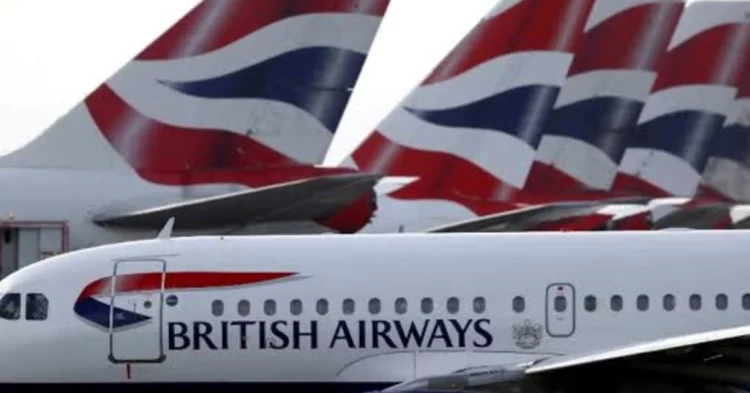
British Airways is proving that sustainable growth in aviation does not always require new airport infrastructure. While London Heathrow Airport remains one of the world’s busiest and most congested aviation hubs, the airline has developed an innovative strategy that allows it to expand its long-haul network without relying on additional runway capacity or new airport slots.
Instead of waiting for future airport expansion projects, British Airways has focused on improving the efficiency of its existing operations. Through smarter scheduling, better aircraft utilisation, route optimisation, and careful coordination between Heathrow and London Gatwick Airport, the airline is introducing six long-haul services between July 2026 and January 2027.
This expansion represents another significant step in British Airways’ long-term strategy to strengthen its global network while maintaining operational efficiency. The airline expects its overall long-haul capacity to grow by around five per cent during the expansion period, while Heathrow alone will experience approximately six per cent growth in long-haul operations.
With nearly 94 long-haul departures operating daily across Heathrow and Gatwick, British Airways continues to reinforce London’s position as one of the world’s leading international aviation gateways.
British Airways Long-Haul Expansion Overview
The airline’s latest growth strategy focuses on enhancing international connectivity while making the best possible use of existing airport capacity.
Expansion Highlights
| Category | Details |
|---|---|
| Expansion Period | July 2026 to January 2027 |
| New Long-Haul Services | 6 |
| Airports Included | Heathrow and Gatwick |
| Daily Long-Haul Departures | Around 94 |
| Overall Long-Haul Growth | 5% |
| Heathrow Long-Haul Increase | 6% |
| Major Milestone | First Heathrow route to Central America |
Rather than dramatically increasing aircraft numbers, British Airways is extracting greater value from its current fleet through more efficient planning and network adjustments.
Six New Long-Haul Routes Strengthen British Airways’ Global Network
The airline’s expansion includes six long-haul services spread across London’s two major airports. Three routes will operate from Heathrow, while another three will serve passengers from Gatwick.
Some of these services represent entirely new opportunities, while others involve transferring existing routes between airports to improve passenger convenience and network connectivity.
The strategy allows British Airways to maximise the strengths of both airports.
Heathrow remains the airline’s primary international hub, offering extensive global connections for premium travellers and international transit passengers.
Gatwick continues to support strong leisure demand while providing valuable operational flexibility for the airline’s wider network.
Together, these two airports create a balanced long-haul operation capable of serving business travellers, holidaymakers, and connecting passengers from around the world.
Heathrow Becomes British Airways’ First Gateway to Central America
One of the most significant developments in the expansion is the relocation of the San José, Costa Rica service from Gatwick to Heathrow.
This marks the first time British Airways will offer a direct Heathrow connection to Central America.
The decision reflects the growing popularity of Costa Rica as an international tourism destination and the increasing demand for improved global connectivity.
Previously, passengers travelling to Costa Rica through British Airways generally departed from Gatwick. By transferring the route to Heathrow, the airline creates significantly better onward connections for travellers arriving from Europe, Asia, Africa, the Middle East, and other international destinations.
For many passengers, Heathrow offers shorter transfer times, more frequent connecting flights, and greater flexibility when planning international journeys.
The move also enhances London’s role as an important gateway between Europe and Central America.
Costa Rica Continues to Attract Global Tourism
Costa Rica has become one of the fastest-growing tourism markets in recent years.
Its unique combination of tropical rainforests, volcanic landscapes, wildlife reserves, luxury eco-resorts, and adventure tourism attracts millions of international visitors every year.
Travellers increasingly seek sustainable travel experiences, and Costa Rica has positioned itself as a global leader in eco-tourism.
Visitors can explore national parks, observe rare wildlife, enjoy world-class surfing, experience volcanic hot springs, and visit protected cloud forests within a relatively compact destination.
British Airways’ decision to strengthen access to Costa Rica reflects growing passenger demand for nature-focused holidays alongside traditional beach destinations.
Tampa Moves to Heathrow to Improve Florida Connectivity
Another important network change involves the transfer of Tampa services from Gatwick to Heathrow.
Florida remains one of the UK’s most popular long-haul destinations, attracting both holidaymakers and business travellers throughout the year.
By relocating Tampa operations to Heathrow, British Airways creates easier connections for passengers travelling from regional UK airports as well as international destinations.
Business travellers heading to Florida’s expanding technology, healthcare, and financial sectors also benefit from improved scheduling and greater connectivity through Heathrow.
The move demonstrates the airline’s commitment to matching airport operations with passenger demand.
Additional Long-Haul Services Expand International Opportunities
Beyond Costa Rica and Tampa, British Airways is introducing additional long-haul services across key international markets.
These routes further strengthen the airline’s presence in North America, the Caribbean, and other high-demand leisure and business destinations.
The airline continues to prioritise markets with strong tourism growth, commercial opportunities, and consistent passenger demand.
Instead of expanding into uncertain destinations, British Airways is focusing on routes where long-term success appears most sustainable.
This disciplined approach supports steady growth while reducing operational risk.
Smart Network Planning Replaces Airport Expansion
Perhaps the most impressive aspect of British Airways’ latest strategy is that it achieves meaningful growth without requiring additional airport infrastructure.
Heathrow has long faced severe slot constraints.
Landing and take-off slots remain among the most valuable assets in global aviation, making rapid expansion extremely difficult.
Rather than waiting for future runway developments, British Airways has redesigned its network.
Aircraft schedules have been refined.
Flight timings have been adjusted.
Certain services have been relocated between Heathrow and Gatwick.
These operational improvements create additional capacity while maintaining reliability.
The strategy demonstrates how modern airlines can grow through efficiency instead of simply increasing aircraft numbers.
Fleet Optimisation Supports Sustainable Growth
British Airways continues to rely on its modern wide-body fleet to support long-haul expansion.
Instead of rapid fleet expansion, the airline is improving aircraft utilisation across its existing operations.
Its primary long-haul fleet includes:
Boeing 777
The Boeing 777 continues to serve as one of the airline’s most versatile long-haul aircraft, operating numerous international routes across North America, Asia, Africa, and the Middle East.
Boeing 787 Dreamliner
The fuel-efficient Dreamliner plays a major role in serving medium and ultra-long-haul destinations while delivering lower operating costs and improved passenger comfort.
Airbus A350
The Airbus A350 provides advanced fuel efficiency, quieter cabins, modern technology, and premium passenger amenities.
Airbus A380
Despite industry-wide fleet reductions, British Airways continues to utilise the Airbus A380 on high-demand international routes where passenger volumes justify the aircraft’s large capacity.
Together, these aircraft allow British Airways to expand services while maintaining operational reliability and cost efficiency.
Better Aircraft Utilisation Improves Efficiency
Efficient aircraft scheduling remains one of the airline’s biggest competitive advantages.
Every hour an aircraft spends on the ground represents lost revenue potential.
British Airways has focused on reducing unnecessary downtime through improved scheduling and more efficient route planning.
Benefits include:
Higher aircraft utilisation
Reduced operational delays
Improved network resilience
Better fleet flexibility
Lower operating costs
Enhanced passenger reliability
This strategy enables additional services without requiring substantial fleet growth.
Heathrow and Gatwick Continue to Complement Each Other
Rather than competing directly, Heathrow and Gatwick serve different roles within the British Airways network.
Heathrow’s Role
Heathrow functions as the airline’s primary global hub.
It offers:
Extensive international connections
Premium business travel
Corporate customers
Global transit passengers
High-frequency international services
Gatwick’s Role
Gatwick primarily supports:
Leisure travel
Seasonal holiday destinations
Growing tourism markets
Operational flexibility
Additional long-haul capacity
Together, both airports allow British Airways to optimise operations across different market segments.
Passengers Benefit from Greater Choice
The latest expansion offers several important advantages for travellers.
Improved scheduling provides greater flexibility when booking flights.
Passengers arriving from regional UK airports enjoy smoother onward connections through Heathrow.
International travellers experience shorter transfer times and better access to destinations across Europe, Asia, Africa, and the Americas.
Holidaymakers gain additional travel options to popular tourism destinations.
Business travellers benefit from improved departure times and more efficient international connections.
The network changes also simplify many long-haul itineraries that previously required less convenient airport transfers.
London Strengthens Its Position as a Global Aviation Hub
The expansion reinforces London’s importance within international aviation.
Despite increasing competition from airports across Europe and the Middle East, Heathrow continues to rank among the world’s leading international hubs.
Its extensive route network allows passengers to reach hundreds of destinations worldwide.
Meanwhile, Gatwick provides additional capacity that supports growing leisure demand while reducing operational pressure on Heathrow.
Together, both airports ensure London remains one of the world’s most connected cities for international travel.
Sustainable Growth Rather Than Rapid Expansion
British Airways has adopted a measured approach to long-term growth.
Rather than aggressively increasing capacity, the airline is focusing on operational improvements that deliver lasting benefits.
This includes:
Network optimisation
Strategic airport allocation
Aircraft efficiency
Improved scheduling
Better passenger connectivity
Route profitability
Such an approach reduces financial risk while ensuring that expansion remains aligned with market demand.
Growing Demand Supports Future Expansion
International travel continues to recover strongly across many global markets.
Business travel has stabilised following several years of disruption.
Leisure travel remains exceptionally strong, particularly for premium holiday destinations.
Growing demand for international connectivity is expected to continue through 2027 and beyond.
British Airways appears well positioned to benefit from these market conditions through its carefully planned expansion strategy.
British Airways Long-Haul Expansion at a Glance
| Category | Details |
|---|---|
| Expansion Timeline | July 2026 to January 2027 |
| Total New Long-Haul Services | 6 |
| Daily Long-Haul Departures | Approximately 94 |
| Overall Capacity Growth | 5% |
| Heathrow Growth | 6% |
| London Airports | Heathrow and Gatwick |
| Historic Achievement | First British Airways Heathrow route to Central America |
| Primary Fleet | Boeing 777, Boeing 787 Dreamliner, Airbus A350, Airbus A380 |
Conclusion
British Airways has demonstrated that strategic planning can successfully overcome one of aviation’s biggest challenges: limited airport capacity. By optimising aircraft utilisation, refining flight schedules, and carefully balancing operations between Heathrow and Gatwick, the airline is expanding its long-haul network without relying on additional infrastructure.
The introduction of six long-haul services between July 2026 and January 2027 represents more than simple route expansion. It reflects a broader commitment to operational efficiency, stronger international connectivity, and sustainable long-term growth.
The relocation of San José to Heathrow establishes British Airways’ first direct Heathrow connection to Central America, while the transfer of Tampa enhances access to one of the UK’s most popular destinations in Florida. Together with additional long-haul services, these changes provide greater flexibility for business travellers, holidaymakers, and international transit passengers alike.