Stick to the Facts
Add Nbsla.ca as a Preferred Source on Google to see more of our stories in your search results.

A routine domestic flight turned into a closely watched aviation event after United Airlines Flight UA1361 unexpectedly diverted to Nashville instead of continuing to its scheduled destination in Houston. The flight, operated by a Boeing 737 aircraft, departed Bradley International Airport in Windsor Locks, Connecticut, on June 16, 2026, with passengers expecting a standard journey to George Bush Intercontinental Airport in Houston, Texas.
However, the flight’s route changed during the journey, resulting in an unscheduled landing at Nashville International Airport in Tennessee. Although the aircraft landed safely and no immediate safety concerns were reported, the diversion sparked significant interest among travelers, aviation enthusiasts, and industry observers across the United States.
With flight-tracking platforms making aircraft movements visible in real time, unusual route changes often attract public attention quickly. The diversion of UA1361 became a notable example of how modern aviation operations can shift unexpectedly while still maintaining a strong focus on passenger safety and operational efficiency.
Scheduled Flight From Connecticut to Texas Takes an Unplanned Turn
Flight Details and Aircraft Information
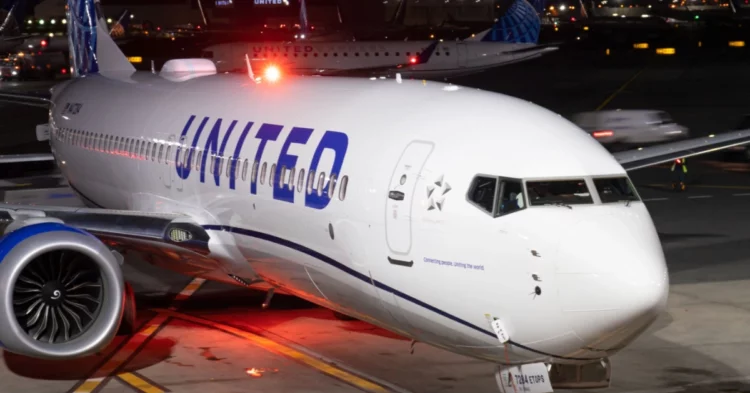
United Airlines Flight UA1361 was scheduled to operate between Bradley International Airport in Windsor Locks, Connecticut, and George Bush Intercontinental Airport in Houston, Texas. The flight was conducted using a Boeing 737-800 registered as N12754.
According to available flight-tracking data, the aircraft pushed back from Gate 21 at Bradley International Airport before departing at approximately 8:26 a.m. Eastern Daylight Time. The flight initially appeared to be operating normally as it headed toward its planned destination in Texas.
However, during the journey, the aircraft changed course and headed toward Nashville, Tennessee. Instead of arriving in Houston as scheduled, the Boeing 737 landed safely at Nashville International Airport at approximately 10:01 a.m. Central Daylight Time.
Passengers onboard experienced an unexpected interruption to their travel plans, while observers monitoring the flight noticed the unusual routing adjustment through publicly available tracking services.
Safe Landing in Nashville
Despite the surprise diversion, the most important outcome was the aircraft’s safe arrival in Nashville. The flight landed without incident, allowing passengers to disembark while airline personnel assessed the next steps.
In aviation, safety remains the primary consideration behind every operational decision. When circumstances arise that make continuing to the original destination less practical or desirable, flight crews are trained to identify and utilize suitable alternative airports.
Nashville International Airport is a major aviation hub with extensive facilities, multiple runways, maintenance capabilities, and support infrastructure. These characteristics make it a logical alternate airport for aircraft traveling across the central United States.
Why Was United Airlines Flight UA1361 Diverted?
No Official Explanation Released Immediately
At the time the diversion attracted public attention, United Airlines had not publicly disclosed a detailed explanation regarding the specific reason for the route change.
This lack of immediate information naturally generated questions among travelers and industry observers. When a commercial flight diverts unexpectedly, many people seek answers regarding what prompted the change and whether passengers were affected by any unusual circumstances.
Airlines often require time to evaluate operational events before releasing detailed statements. In many cases, investigations or internal reviews may occur before specific information becomes available to the public.
Common Reasons Commercial Flights Divert
Although the precise cause of UA1361’s diversion was not immediately confirmed, aviation experts note that diversions occur for a variety of reasons.
Weather-related concerns are among the most common causes. Severe thunderstorms, turbulence, strong winds, lightning activity, and other meteorological conditions can prompt pilots and airline dispatchers to alter flight plans.
Technical inspections represent another frequent reason. Even minor mechanical indications can lead crews to divert out of an abundance of caution. Modern commercial aircraft are equipped with sophisticated monitoring systems that alert pilots to irregularities long before they become serious issues.
Medical emergencies involving passengers or crew members can also require immediate landings at the nearest suitable airport. In such cases, quick access to medical facilities becomes the top priority.
Air traffic control restrictions may also influence routing decisions. Congestion, airport operational limitations, runway closures, or temporary airspace restrictions occasionally make alternate airports more practical.
Crew-related operational considerations can sometimes contribute as well, particularly when schedule disruptions affect regulatory duty time limitations.
Regardless of the reason, diversions are generally viewed as precautionary measures designed to protect passengers, crew members, and aircraft.
The Growing Visibility of Flight Diversions in the Digital Age
Real-Time Flight Tracking Changes Public Awareness
In previous decades, flight diversions often remained largely unknown outside the immediate group of affected passengers. Today, however, advanced flight-tracking technology has transformed public visibility into airline operations.
Millions of travelers regularly use online tracking platforms to monitor flights in real time. Family members, aviation enthusiasts, journalists, and industry analysts can observe route changes almost instantly.
As a result, unusual flight activity frequently generates public discussion before airlines release official statements. This increased transparency has created a new environment in which operational decisions are closely followed and analyzed.
The diversion of UA1361 quickly became a topic of interest because observers noticed the aircraft moving away from Houston and heading toward Nashville.
Social Media Amplifies Aviation Events
Social media platforms further accelerate public awareness of aviation incidents. Passengers onboard diverted flights often share updates, photos, and personal experiences while events unfold.
This immediate flow of information contributes to widespread interest and sometimes fuels speculation before official explanations become available.
For airlines, this environment creates additional pressure to communicate effectively while ensuring that any released information is accurate and verified.
What Happens After a Flight Diversion?
Passenger Assistance and Support
When an aircraft lands at an alternate airport, airline operations teams immediately begin evaluating the situation.
Passengers are typically informed about the reason for the diversion when information becomes available. Depending on circumstances, travelers may remain onboard temporarily, disembark into the terminal, or receive instructions regarding connecting transportation.
Airlines generally work to minimize disruption by coordinating alternative travel arrangements, rebooking passengers, or preparing the aircraft for continued service if conditions permit.
Customer service teams, airport staff, dispatch personnel, and flight crews collaborate closely to ensure passengers receive updated information throughout the process.
Aircraft Inspection and Operational Assessment
If a diversion is related to a technical concern, maintenance personnel conduct inspections before the aircraft resumes operations.
Even when issues appear minor, aviation regulations require thorough evaluations to ensure complete compliance with safety standards.
In situations involving weather or air traffic disruptions, airline operations centers continuously monitor changing conditions before deciding whether the flight can continue or whether passengers should be accommodated through alternate travel arrangements.
Crew Coordination and Regulatory Requirements
Commercial aviation operates under strict regulatory frameworks governing pilot and crew duty hours.
Following a diversion, airline dispatchers must assess crew availability and determine whether personnel remain within legal operating limits. If necessary, replacement crews may be assigned before the flight continues.
These operational considerations add complexity to diversion management and require extensive coordination across multiple departments.
Why Diversions Are Considered a Sign of Aviation Safety Working Properly
Precaution Is a Core Aviation Principle
Although passengers often view diversions as disruptions, aviation professionals generally see them differently.
The commercial aviation industry is built around layers of safety protocols designed to identify and address potential concerns before they develop into larger problems. Diversions are one of the tools available to flight crews when circumstances change.
Rather than indicating danger, many diversions reflect proactive decision-making.
Pilots receive extensive training to evaluate evolving situations and choose the safest course of action. Airline dispatch centers provide continuous operational support, helping crews make informed decisions throughout every phase of flight.
Modern Aviation Relies on Multiple Safety Systems
Commercial aircraft operate within one of the most highly regulated transportation systems in the world.
Aircraft manufacturers, airlines, regulators, maintenance organizations, airports, and air traffic control agencies all contribute to a comprehensive safety framework.
When an unexpected event occurs, established procedures guide every decision. The successful diversion of UA1361 to Nashville demonstrates how these systems function in practice.
The aircraft reached a suitable airport safely, passengers were accommodated, and airline personnel were able to address the situation in a controlled environment.
Impact on Travelers and Future Flight Operations
Passenger Confidence Remains a Priority
For travelers, unexpected route changes can be frustrating, particularly when important connections, business meetings, or personal commitments are affected.
However, industry experts consistently emphasize that operational decisions are made with passenger welfare as the primary objective.
Airlines recognize the importance of maintaining customer confidence and typically work to provide assistance, communication, and alternative transportation whenever disruptions occur.
Lessons for Frequent Flyers
The diversion of UA1361 serves as a reminder that flexibility remains an important aspect of air travel.
While the overwhelming majority of flights operate as scheduled, factors such as weather conditions, operational considerations, and unforeseen events can occasionally alter travel plans.
Passengers can reduce stress by monitoring airline notifications, maintaining awareness of connection options, and understanding that diversions are often precautionary measures rather than indications of serious problems.
Conclusion
United Airlines Flight UA1361’s unexpected diversion from its scheduled route between Windsor Locks, Connecticut, and Houston, Texas, became a notable aviation story after the aircraft landed safely in Nashville, Tennessee. Although officials did not immediately provide a detailed explanation for the route change, the incident attracted attention because of its unusual nature and visibility through modern flight-tracking technology.
The Boeing 737-800 operating the flight successfully reached an alternate airport without incident, demonstrating the effectiveness of established aviation procedures and safety protocols. While passengers experienced an unexpected interruption to their journey, the diversion highlights how airlines, pilots, air traffic controllers, and airport authorities work together to respond when conditions require operational adjustments.